

Introduction
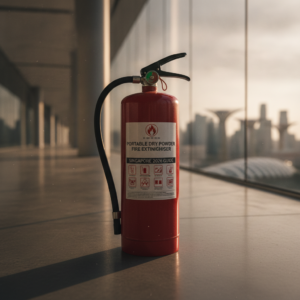
A dry powder fire extinguisher is one of the most commonly deployed portable extinguishers in Singapore due to its versatility across multiple fire classes and cost-effectiveness.
What is a dry powder fire extinguisher?
Dry powder extinguishers use a fine, chemical powder to smother fires by interrupting the chemical reaction between fuel, heat and oxygen. The most common formulation is an ABC multi-purpose powder (ammonium phosphate-based) that works on Class A (solids like wood and paper), Class B (flammable liquids), and Class C (flammable gases and energized electrical equipment in some jurisdictions). In Singapore, these devices are popular because they cover a broad range of risks with one unit.
Key features:
– Rapid knockdown on flammable liquid and gas fires.
– Effective on electrical fires (when rated accordingly).
– Long shelf life and comparatively low cost.
Fire classes and correct extinguisher selection
Choosing the right extinguisher depends on the fire hazards present:
– Class A: solids (wood, paper, textiles). ABC powder works, but water-based extinguishers are often preferred for deep-seated burning.
– Class B: liquids (oil, petrol). Dry powder is highly effective for quick flame suppression.
– Class C: gases. Powder agents can be used to knock down gas fires, but the gas source must be shut off as soon as possible.
– Electrical fires: ABC powder is suitable when the unit is specifically rated for electrical hazards.
Limitations to note:
– Powder leaves a corrosive, powdery residue that can damage electronics, sensitive machinery and finishes. After use, professional clean-up is essential.
– Visibility and inhalation: powder discharge can reduce visibility and irritate airways in confined spaces.
– Not ideal for kitchens with deep fat fires (Class F); wet chemical extinguishers are better suited there.
Why a Singapore fire safety company often recommends dry powder
For many commercial and industrial settings in Singapore, a reputable fire safety company will recommend dry powder extinguishers because:
– They cover multiple classes with a single unit, simplifying equipment inventories.
– They’re cost-effective to procure and replace.
– They are rugged, simple to operate, and have wide availability for servicing and recharge.
For integrated site protection—linking portable units to overall systems such as alarms, hydrants and safety inspections—work with experts experienced in local compliance and practical deployment. Learn more about integrated fire protection and inspections at this resource on fire protection systems and inspection: fire protection system and fire safety inspection.
compliance and legal considerations in Singapore
Regulatory compliance covers correct extinguisher types, minimum numbers per floor/area, placement, signage, and routine servicing.
Key compliance steps:
– Confirm extinguisher type and rating match the identified hazards.
– Ensure visible signage and unobstructed access to extinuisher points.
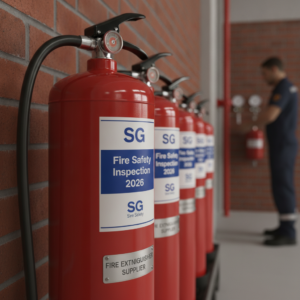
– Keep up-to-date service records and inspection tags as required by law.
Maintenance, servicing and replacement best practices
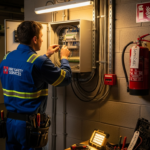
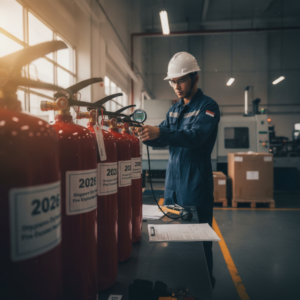
Regular servicing is critical to ensure reliability. Most portable fire extinguishers require an annual inspection by a trained technician and periodic hydrostatic testing or recharge depending on the type and local rules.
What a professional servicing visit covers:
– Visual inspection: pressure gauge, signs of corrosion, nozzle blockage and seals.
– Pressure testing and replacement of worn parts.
– Recharge after use and record updates.
Find information about extinguisher servicing and scheduled maintenance at this resource: fire alarm maintenance and fire extinguisher servicing.
When to replace rather than repair:
– Severe corrosion or structural damage.
– Failed hydrostatic testing.
– Extinguishers that have been discharged extensively and are beyond economical repair.
If you’re considering where to replace portable extinguishers in Singapore, this page explains options and authorised replacement points: where to replace portable fire extinguishers.
Installation, siting and signage recommendations
Proper siting increases the speed of response and reduces damage from accidental discharge:
– Mount extinguishers at chest-to-shoulder height for easy reach.
– Place units near exits, corridors and potential hazard sources—not behind doors or in cupboards.
– Use clear signage and a dedicated extinguisher point on evacuation maps.
For combined systems—linking portable units with alarm and suppression systems—coordinate with your fire safety company to ensure coverage maps and inspection routines are aligned. See best practices for combining alarm maintenance and dry powder extinguisher management: dry powder fire extinguisher and maintenance.
Training, drills and practical use
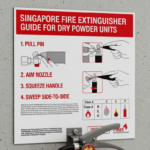
An extinguisher is only effective when people know how to use it. Training should cover: PASS technique (Pull, Aim, Squeeze, Sweep), safety distances, recognizing when to evacuate, and when not to fight a fire.
Training tips for Singapore workplaces:
– Include hands-on practice with training units, not live-powder discharge in sensitive areas.
– Combine extinguisher training with evacuation and first-aid drills.
– Train designated fire wardens to lead initial response and coordinate with emergency services.
Environmental and operational considerations
Singapore’s climate and built environment influence extinguisher choices and maintenance frequency:
– Humidity and coastal salt air can accelerate corrosion—inspect and service units more frequently in vulnerable locations.
– Residue clean-up: powder residue can contaminate food-handling areas and sensitive electronics; plan for professional cleaning and post-incident restoration.
– Sustainability trends: some businesses are evaluating alternatives and complementary systems (CO2, clean agents, water mist) where residue or environmental impact is a concern.
Choosing the right Singapore fire safety company
Not all suppliers or service providers are equal.
A professional provider will also advise on system integration, smart monitoring and lifecycle planning—helpful in modernising safety programs and aligning with business continuity goals. For integrated inspection and system services, consult an experienced provider here: fire protection system and fire safety inspection.
Practical checklist for businesses and homeowners
- Identify the predominant hazards and select the appropriate extinguisher class and rating.
- Ensure units are installed in visible, accessible locations with clear signage.
- Schedule annual professional inspections and keep service records onsite.
- Provide basic extinguisher training to occupants and staff; maintain a list of trained fire wardens.
- Plan for safe post-discharge cleanup and service or replace used units promptly.
Final recommendations
Dry powder fire extinguishers remain a practical, versatile choice for many Singapore settings—but they must be selected, installed and maintained with an eye to the specific hazards, regulatory requirements and the potential consequences of powder residue. Partner with an experienced Singapore fire safety company that understands local regulations, provides end-to-end servicing and delivers training so extinguishers protect people and property effectively.

No comment yet, add your voice below!