

Why 2025 matters for SCDF fire extinguisher and fire safety in Singapore
Singapore’s approach to fire safety evolves every few years as technology, materials and waste regulations change. In 2025, building owners, facility managers and fire wardens must be ready for updated inspection expectations, greener disposal routes and clearer training requirements from the Singapore Civil Defence Force (SCDF). This guide provides practical steps for staying compliant with SCDF fire safety guidance, keeping portable fire extinguishers serviceable, and organising certified training for staff.
Types of portable extinguishers you’ll encounter and why the right one matters
Understanding extinguisher types is the first practical step in compliance and safety. The common types in Singapore include:
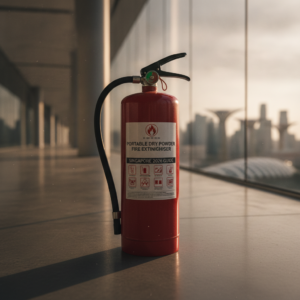
- Dry powder (ABC) — multi-hazard and common for general workplace use. See where to buy and refill tips for dry powder extinguishers.
- Water mist and water — for ordinary combustibles; not suitable for electrical or flammable liquid fires.
- Carbon dioxide (CO2) — for electrical/EN equipment and flammable liquids; leaves no residue.
- Foam — for Class A and B fires involving flammable liquids.
Using the correct extinguisher reduces risk of injury and property damage; wrong selection can worsen situations. For practical purchasing and refill options, consult updated retailer and refill guides for Singapore to compare brands and service providers: https://nationalcitycorporation.sg/where-to-buy-dry-powder-portable-fire-extinguishers-in-singapore-2025-prices-top-brands-and-refill-tips/.
Inspections: daily checks, annual servicing, and what SCDF expects
SCDF emphasizes a layered approach to inspections: routine visual checks, scheduled servicing, and documented compliance records.
- Daily/weekly visual checks (by assigned staff): ensure pressure gauge in range, no obvious damage, pins and seals intact, and signage visible. Keep a simple log — digital or paper — noting date and inspector initials.
- Monthly operational checks: confirm accessibility (no obstructions), signage legible, and mounting brackets secured.
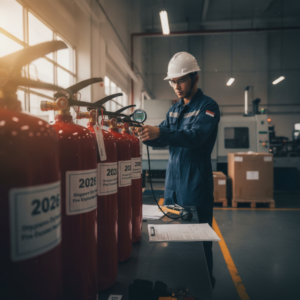
- Annual servicing by a licensed contractor: a full service should include internal inspection, recharge or replacement of extinguishing agent where necessary, seals and hose checks, and condition reporting.
- Periodic pressure/hydrostatic tests: many extinguisher types require more intensive testing every 5–12 years depending on manufacturer and agent type. Always follow manufacturer recommendations and the servicing contractor’s guidance.
To help with annual servicing and SCDF compliance, use the practical checklist that covers common failure points and documentation needs: https://nationalcitycorporation.sg/updated-for-2025-fire-extinguisher-servicing-and-fire-safety-inspection-checklist-for-singapore-scdf-compliance/.
Refills, replacements and the 2025 trade-in trend
Refilling an extinguisher is not always the best route. In 2025, there’s stronger emphasis on lifecycle management and environmentally responsible disposal.
- When to refill: if the extinguisher passes internal checks, pressure tests and the agent is depleted but the cylinder is within valid test interval, a certified refill is appropriate.
- When to replace: if the cylinder fails hydrostatic test, is corroded, or the extinguisher model has reached its recommended service life, replacement is safer.
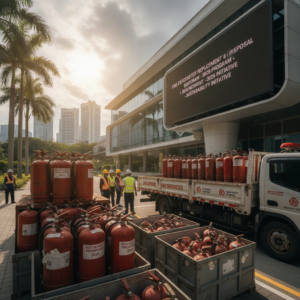
- Trade-in and onsite swap-out programs: to reduce downtime and improve recycling, many providers offer onsite swap-outs and trade-in schemes where old units are collected and recycled responsibly. Learn about replacement and disposal trade-in programs and onsite swap options here: https://nationalcitycorporation.sg/singapore-2025-fire-extinguisher-replacement-and-disposal-trade-in-programs-onsite-swap-outs-and-recycling-options/.
Proper disposal matters: portable extinguishers contain pressurised agents and sometimes residual chemicals — dropping them into general waste is illegal and hazardous. For official disposal steps and drop-off locations, consult the latest guidance: https://nationalcitycorporation.sg/fire-extinguisher-disposal-in-singapore-2025-portable-fire-extinguisher-drop-offs-legal-steps-and-cost-saving-options/.
Certification, record-keeping and digital trends to watch
2025 continues the shift toward digital compliance. SCDF and industry providers increasingly expect clear, auditable records.
- Digital service records: many contractors now issue time-stamped certificates and QR-coded labels that link to a digital service history. This speeds audits and reduces paper clutter.
- Asset tagging: attach QR or NFC tags to each extinguisher so inspectors and wardens can instantly view last service date, next due date and test results.
- Centralised logs: large premises should keep a single digital ledger of all fire safety assets — extinguishers, hydrants, sprinklers — to streamline SCDF inspections.
These trends support transparency and make it easier to demonstrate compliance during official checks.
Practical checklist for building owners and facility managers
Keep this checklist handy to meet SCDF fire safety expectations and ensure extinguisher readiness:
- Assign a fire warden or responsible person for routine checks.
- Perform daily/weekly visible inspections; log results digitally.
- Schedule annual servicing with SCDF-recognised technicians.
- Maintain a register of extinguisher type, location, service dates and expiry/test due dates.
- Replace or hydrostatically test cylinders when required; do not attempt home refills.
- Keep clear signage and ensure extinguishers are unobstructed.
- Train staff on correct extinguisher use and evacuation procedures — certification recommended.
- Use authorised disposal routes for decommissioned extinguishers: https://nationalcitycorporation.sg/fire-extinguisher-disposal-in-singapore-2025-portable-fire-extinguisher-drop-offs-legal-steps-and-cost-saving-options/.
A more detailed replacement and refill guide is also available to help decide when to service versus replace: https://nationalcitycorporation.sg/2025-singapore-fire-extinguisher-replacement-guide-when-to-refill-replace-inspect-and-where-to-buy/.
Certified training: what SCDF-approved training covers and why it matters
Proper training reduces panic and misuse. SCDF-backed or recognised training ensures staff can operate extinguishers safely and manage early-stage incidents.
Core components of certified extinguisher training include:
- Theory: fire classes, extinguisher types and limitations, hazard recognition.
- Practical: hands-on use with trainers or live-pyrotechnic simulations depending on the course.
- Evacuation coordination and communication: how to raise alarms and liaise with emergency services.
- Record and competency assessment: attendees receive certificates that should be retained in site safety records.
Employers should run refresher courses at least annually for fire wardens and consider basic extinguisher awareness for all staff. Many providers now offer blended learning — online modules followed by on-site practical sessions — which reduces time off the floor and improves retention.
Penalties, liabilities and insurance implications
Non-compliance with SCDF fire safety requirements can result in enforcement actions, fines, or orders to cease operations for unsafe premises. Beyond regulatory penalties, failure to maintain extinguishers or proper training can increase liability exposure and affect insurance claims in the event of a fire. Insurers increasingly ask for evidence of regular servicing and staff training when assessing claims.
Choosing a service provider: what to look for in 2025
When selecting a supplier or contractor for inspections, refills and training, prioritise:
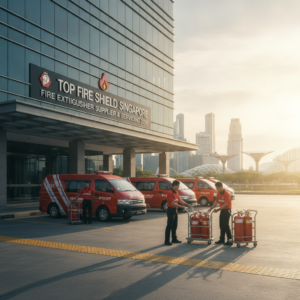
- SCDF recognition or accreditation and a track record with local commercial buildings.
- Transparent pricing for service, refills, hydrostatic tests and disposal.
- Digital reporting and QR-coded asset tagging — this saves time during audits.
- Clear warranty and replacement policies.
- Environmentally responsible disposal and recycling options, and trade-in programs to reduce total lifecycle costs. Providers offering onsite swap-outs and structured recycling programs are increasingly common: https://nationalcitycorporation.sg/singapore-2025-fire-extinguisher-replacement-and-disposal-trade-in-programs-onsite-swap-outs-and-recycling-options/.
Final practical steps to stay SCDF-compliant in 2025
- Review your asset register and ensure each extinguisher has a documented service history.
- Tag and digitise records so servicing intervals and certifications are easy to verify during SCDF checks.
- Book annual servicing with accredited technicians and schedule hydrostatic testing as required.
- Train fire wardens and staff with SCDF-recognised courses and document competency.
- Use authorised disposal and replacement channels rather than ad-hoc vendors: https://nationalcitycorporation.sg/where-to-buy-dry-powder-portable-fire-extinguishers-in-singapore-2025-prices-top-brands-and-refill-tips/ and https://nationalcitycorporation.sg/2025-singapore-fire-extinguisher-replacement-guide-when-to-refill-replace-inspect-and-where-to-buy/.
Maintaining SCDF fire extinguisher readiness and robust fire safety practices is both a legal obligation and a practical investment in safety. With 2025 trends leaning toward digital records, greener disposal and structured trade-in programs, taking proactive steps now will reduce operational risk and simplify future compliance checks.


No comment yet, add your voice below!