

Introduction
For businesses, landlords and property managers in Singapore, 2025 brings continued focus on practical, compliant and cost-effective approaches to fire extinguisher replacement and disposal.
This article explains when to replace or refill, the safest disposal routes, how trade-in schemes work, what onsite swap-outs deliver, and where recycling fits in—so you can make informed, compliant choices.
Why proper fire extinguisher disposal matters in Singapore
Fire extinguishers are not ordinary household refuse. They contain pressurised gas, residual extinguishing media (dry powder, CO2, foam or wet chemical), and metal parts that are recyclable only after safe processing. Improper disposal risks injury during transport, environmental contamination, and non-compliance with local waste and fire-safety practices.
Correct disposal protects workers and tenants, reduces hazardous-waste handling costs downstream, and ensures recyclable materials (steel/aluminium) are recovered. Many reputable suppliers and authorities in Singapore recommend using authorised drop-off points or vendor take-back programmes rather than DIY disposal.
When to refill, service or fully replace
Knowing whether to refill, repair or replace an extinguisher avoids unnecessary expense and keeps occupants safe. Common signs you need replacement:
- Pressure gauge in the red or showing loss of charge
- Physical damage to the cylinder, valve or hose
- Corrosion, dents or visible leaks
- Discharge during use or an incomplete refill history
- Manufacturer expiry or failed hydrostatic test
Refill and service can be a good option for recently discharged units that are otherwise undamaged. But older extinguishers, or those that fail hydrostatic testing, should be replaced. For a detailed look at timelines, refill options and where to buy compliant units, see this comprehensive fire extinguisher replacement guide for Singapore 2025.
Trade-in programmes: reduce cost and divert waste from landfill
Supplier trade-in programmes are increasingly common in 2025. These programmes let you hand over old units when purchasing new extinguishers or servicing packages. Benefits include:
- Lower upfront cost: credit applied against new purchases
- Responsible handling: suppliers typically ensure safe depressurisation and recycling
- Administrative simplicity: a single invoice and take-back certificate
For comparison of suppliers, certifications and refill alternatives, consult this supplier comparison resource.
Onsite swap-outs and mobile exchange services
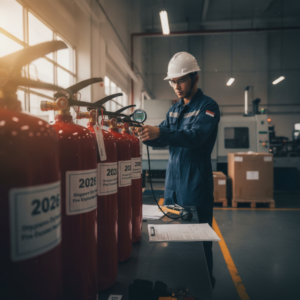
Onsite swap-out services bring a certified extinguisher technician to your premises, replacing expired or discharged units immediately with certified, ready-to-use alternatives. This is especially useful for:
- Retailers and F&B outlets that cannot be left temporarily under-protected
- Industrial sites with many extinguishers needing coordinated scheduling
- Offices requiring minimal downtime and fast documentation
Typical onsite swap-out workflow: on-arrival inspection → safe removal & depressurisation → replacement with new/refurbished unit → service tag and paperwork issued. These services often include a visual inspection, pressure check, recharge (if applicable) and written service report.
Safe disposal routes and recycling options
Approved disposal routes in Singapore generally fall into several categories:
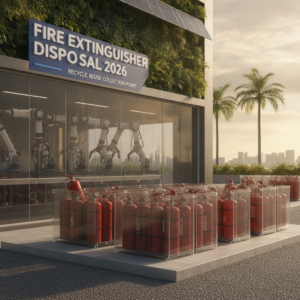
- Supplier take-back: many reputable vendors will accept old units when selling replacements or during scheduled servicing
- Hazardous-waste contractors: for large volumes or unusual extinguishers (CO2 banking, industrial systems)
- Designated drop-off events: periodic municipal or private events for household hazardous waste
- Metal recycling after professional depressurisation and media removal
It’s important not to puncture or cut open an extinguisher yourself. Professional handlers depressurise, remove extinguishing media and separate metals for recycling. Learn more about authorised drop-offs and legal steps at this dedicated resource on fire extinguisher disposal in Singapore 2025.
Recycleable components and environmental considerations
- Steel/aluminium casings: recyclable once the unit is emptied and decontaminated
- Powder residue: usually classified as non-hazardous but should be handled to avoid inhalation and water contamination
- CO2 cylinders: treated as pressurised gas cylinders—returned to suppliers or handled by specialists
Choosing suppliers that reuse or responsibly recycle reduces your carbon footprint and can be part of corporate sustainability reporting.
Cost expectations and ways to save
Prices vary by extinguisher type, capacity and service level. Typical 2025 ballpark ranges for Singapore (subject to market changes):
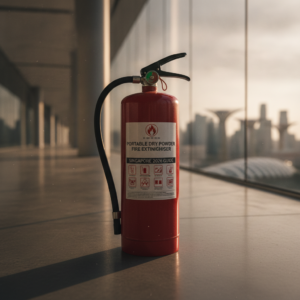
- Refill/Recharge (portable dry powder): S$30–S$80 depending on size and labour
- Replacement small portable (1–3kg dry powder): S$40–S$150 depending on brand and certification
- Annual servicing per unit: S$20–S$60 depending on service scope
- Onsite swap-out with paperwork: additional call-out fees may apply but often bundled for multiple units
Ways to save while staying compliant:
- Use trade-in programmes when buying multiple units
- Schedule bulk servicing to lower per-unit call-out costs
- Choose suppliers offering certified refurbished units with warranty
- Compare vendors on service inclusions, not just price; see options for buying portable units here: where to buy dry powder portable fire extinguishers in Singapore 2025.
Actionable checklist: Replace or dispose of an extinguisher safely
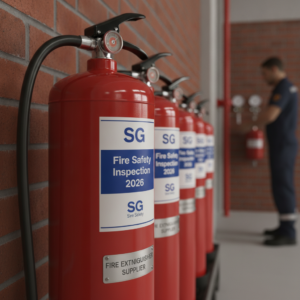
- Inspect the unit: check gauge, physical condition, seal and expiry date.
- Review service records: ensure annual inspections and any discharge/refill history are logged.
- Decide: refill if recently discharged and undamaged; replace if corroded, failed hydrostatic test or past expiry.
- Contact a certified supplier: arrange trade-in or onsite swap-out if available.
- Obtain documentation: service receipt, replacement certificate or disposal confirmation for records.
- Confirm recycling: request written proof that the old unit was depressurised and recycled or disposed of by an authorised contractor.
Choosing the right supplier and verifying credentials
When selecting a supplier for replacement or disposal, verify:
- Certification: technicians trained to local standards and with traceable service records
- Insurance: public liability and safe handling coverage
- Waste-handling proof: evidence of proper disposal or recycling routes
- Service guarantees: warranty on replacement units and documentation
For a comparison of supplier costs, certification and refill alternatives to help narrow choices, consult this supplier overview: supplier comparison.
Final notes: Compliance, savings and sustainability in 2025
In 2025, the best approach to fire extinguisher replacement and disposal in Singapore balances four priorities: safety, compliance, cost-efficiency and environmental responsibility. Trade-in programmes and onsite swap-outs offer practical routes to maintain protection with minimal disruption, while authorised recycling channels prevent hazardous disposal and recover valuable materials.
For day-to-day management, maintain clear service records, budget for periodic replacements (rather than one-off emergency purchases), and partner with suppliers who provide take-back or certified disposal services. Doing so protects people, simplifies audits and can produce measurable cost and sustainability gains.
For practical guides on servicing, buying and legal steps for disposal, use the linked resources included above to plan your next replacement or disposal activity with confidence.


No comment yet, add your voice below!