

Introduction
Singapore’s built environment is evolving quickly, and fire protection is transforming alongside it. For building owners, facilities managers, and safety officers, understanding SCDF fire extinguisher requirements and broader Singapore fire protection system trends in 2026 is essential. This article explains the practical steps to stay compliant, improve on-site safety, and adopt modern technologies that reduce risk and operating costs.
Why 2026 matters: regulations, technology and expectations
SCDF guidance continues to emphasise prevention, readiness, and rapid response. While the fundamentals of fire extinguishers remain — correct extinguisher type, location, and maintenance — 2026 brings clearer expectations around digital monitoring, lifecycle management, and supplier accountability. Increasingly, insurers and auditors expect traceable inspection records and faster replacement cycles for aged equipment.
Key trends to watch:
- Digitisation: IoT-enabled inspection tags and sensors that track pressure, tamper status, and service dates.
- Lifecycle transparency: digital logs and replacement timelines that align with SCDF guidance and manufacturer recommendations.
- Sustainable agents and disposal: preference for lower-environmental-impact agents and responsible cylinder disposal/recycling.
- Integrated fire protection: coordination between extinguishers, detection systems and suppression systems for faster incident response.
SCDF fire extinguisher basics for Singapore sites
SCDF expects fire extinguishers to be appropriate for the hazard type, accessible, and regularly maintained. Key practical points for every facility:
- Correct class and capacity: Use extinguishers suitable for the specific fire risks present (electrical, kitchen/oil, paper/solid, flammable liquids). Choose certified products from recognised suppliers.
- Visibility and placement: Mount at recommended heights and locations so they are accessible in an emergency. Keep travel distances within recommended limits for the occupant load and building use.
- Labelling and instructions: Clearly labelled operating instructions in English (and other languages where appropriate) and unobstructed signage.
For guidance on arranging professional inspections and compliant equipment, reputable providers can help with assessments and supply. Consider booking a professional fire safety inspection to confirm your site setup meets current SCDF expectations.
Maintenance, inspections and record-keeping
Routine checks are the backbone of extinguisher reliability. Best practices include:
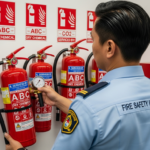
- Visual checks: Regularly inspect for obvious damage, corrosion, nozzle blockage, or pressure gauge issues.
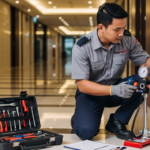
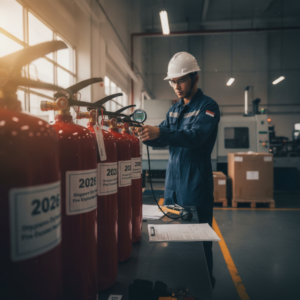
- Scheduled servicing: Arrange professional servicing by trained technicians to test seals, gauges, and the condition of cylinders and extinguishing agents.
- Hydrostatic testing and recharging: Follow manufacturer and SCDF guidance for pressure testing and recharging intervals.
- Digital records: Use cloud-based logs or tagged QR codes to store inspection dates, technician notes and next-service reminders.
Keeping accurate, retrievable records simplifies audits and strengthens insurance claims. For help understanding replacement intervals and legal timelines, review the SCDF fire extinguisher replacement timeline.
Choosing the right extinguisher types for Singapore hazards
Selecting the wrong extinguisher wastes budget and increases risk. Common classes to consider:
- Water and wet-chemical units for combustible solids and cooking oils respectively (wet-chemical units are often preferred in kitchen environments).
- CO2 for electrical fires and server rooms where no residue is desirable.
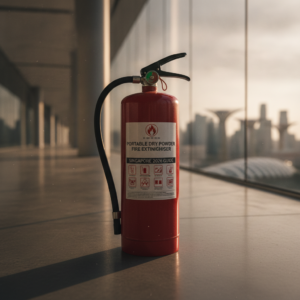
- Dry powder for flammable liquids and mixed-risk areas.
- Foam for flammable liquid spills and larger-area protection.
Partnering with experienced suppliers ensures correct sizing, mounting, and labelling. A vetted list of top suppliers and replacement solutions helps when you need to upgrade or replace units: check options from a leading fire extinguisher supplier and replacement guide.
Smart monitoring and predictive maintenance
Digital transformation is no longer optional for forward-looking fire protection. Smart tags, pressure sensors, and central dashboards provide:
- Real-time status of critical extinguishers (pressure, tamper, temperature alerts).
- Automated reminders for inspections and service windows.
- Predictive signals that identify units trending toward failure before they do.
These capabilities reduce manual workload and ensure compliance evidence is always available during inspections. When selecting a vendor, ask about integration with building management systems and whether their solution supports audit exports.
Replacement strategy: when to repair vs replace
Decision criteria should include age, corrosion, history of discharge, and the economics of repair vs replacement. Considerations:
- If a cylinder has been discharged, authenticated recharging and testing may be possible, but replacement is often recommended for older or corroded units.
- For obsolete agent types or units that cannot meet modern standards, replacement is the safer, long-term choice.
- Factor in downtime, technician availability, and evidence trail needs for compliance.
For a detailed, step-by-step replacement and supplier selection process, see the fire extinguisher replacement and supplier guide 2026.
Working with suppliers and contractors in Singapore
A trusted supplier does more than sell cylinders. Look for providers who offer:
- Certification and training: Technicians should be trained and certified for SCDF-compliant servicing.
- Transparent pricing: Clear quotes that separate inspection, servicing, recharge, and replacement costs.
- After-sales support: Rapid response for emergency replacements or retagging after incidents.
- Environmental compliance: Responsible disposal or recycling of condemned cylinders and used agents.
When comparing vendors, confirm they provide on-site training for staff, clear maintenance schedules, and digital documentation. Independent reviews and supplier comparisons can narrow choices; consider benchmarking potential partners against an established supplier and replacement guide.
Practical checklist for building owners and facility managers
Use this checklist to prepare for an audit or upgrade project:
- Inventory: Complete a current inventory of extinguisher locations, types, and installation dates.
- Risk mapping: Match extinguisher types to specific hazards (kitchens, electrical rooms, hazardous stores).
- Inspection regime: Establish a schedule with digital records for monthly visual checks and professional servicing.
- Replacement plan: Identify units near end-of-life and plan replacements to avoid last-minute non-compliance.
- Training: Run regular user and evacuation training so occupants feel confident operating extinguishers when safe.
If you need professional help with inspections or supplier selection, certified inspectors and vendors are available — many offer bundled audits and maintenance packages; search for a reliable fire safety inspection.
SCDF guidance and tips for fire safety firms
SCDF continues to publish practical advice and compliance details. Fire safety firms should emphasise documentation, technician competency, and transparent service records. Firms can also adopt SCDF-aligned workflows and client dashboards to streamline compliance reporting. Helpful operational tips for service providers and in-house teams are summarised in this SCDF-focused resource: SCDF fire extinguisher tips for Singapore fire safety firms.
Cost considerations and return on safety investment
Upgrading to smart monitoring and replacing aging units require upfront investment, but yield measurable returns:
- Fewer unexpected failures and emergency replacements.
- Stronger negotiating position with insurers and potentially lower premiums.
- Reduced business interruption in the event of a fire due to functional, properly placed extinguishers.
- Better compliance outcomes during audits, avoiding fines and enforcement actions.
When budgeting, include lifecycle costs (inspection, servicing, recharging, disposal) instead of only purchase price. Supplier selection should prioritise total cost of ownership and proven track records.
Final steps: plan, prioritise, and act
To stay ahead in 2026, adopt a structured approach:
- Audit current equipment and documentation.
- Prioritise high-risk areas for upgrades and smart monitoring.
- Select accredited suppliers with clear service and compliance records — vendor comparison resources and supplier lists can help, such as this top suppliers and replacements.
- Implement digital records and training programs.
- Schedule regular reviews to adapt to regulatory updates and technology advances.
Adopting these steps will keep your site aligned with SCDF expectations, reduce operational risk, and demonstrate a commitment to occupant safety and regulatory compliance.
Conclusion
SCDF fire extinguisher requirements and the wider Singapore fire protection system are evolving in 2026 to favour transparency, digital readiness, and lifecycle management. For building owners and safety professionals, the priority is to pair the right types of extinguishers with robust maintenance, reputable suppliers, and modern monitoring. Proactive planning, accurate records, and trusted partners make compliance simpler and strengthen overall fire resilience.
For specific replacement timelines, supplier comparisons, and inspection services that align with SCDF guidance, these resources provide practical next steps: the SCDF replacement timeline, a comprehensive replacement and supplier guide, and targeted fire safety inspection services.

No comment yet, add your voice below!