

Why fire safety matters in 2026
Singapore’s urban density and mixed-use developments make fire safety a perpetual priority. For building owners, facilities managers and homeowners, understanding modern expectations around the singapore fire protection system is essential: it reduces risk, protects occupants and helps avoid costly enforcement actions.
This article breaks down practical steps, emerging trends and a clear maintenance mindset you can apply today.
Core components of a Singapore fire protection system
A compliant singapore fire protection system is not one product but an integrated set of systems and processes. Key components include:
- Active suppression systems: automatic sprinklers, water mist systems, clean agent and gas suppression for sensitive areas.
- Detection and alarm: smoke and heat detectors, fire alarm control panels, emergency voice communication systems.
- Hydrant and hose reels: external and internal hydrants with clear access routes.
- Passive fire protection: compartmentation, fire-rated doors and dampers, and structural fireproofing.
- Evacuation systems: illuminated exit signage, emergency lighting and clear egress paths.
Each must be specified, installed and maintained to meet current guidelines.
priorities and trends to watch in 2026
In 2026, several priorities are prominent for stakeholders:
- Digitisation and remote monitoring: IoT-enabled detectors and sprinkler pressure sensors are increasingly used for real-time diagnostics and predictive maintenance.
- Performance-based design: more projects use engineered solutions rather than prescriptive-only designs, especially for complex mixed-use developments.
- Sustainability and water efficiency: water-mist systems and smarter sprinkler zoning reduce water usage while maintaining protection levels.
- Integration with building management systems (BMS): alarms, HVAC shutdowns and access controls are integrated for coordinated responses.
- Human factor emphasis: improved training, clearer evacuation plans and community fire-safety education.
These trends not only improve safety, they lower lifecycle costs and support compliance when documented correctly.
Practical fire safety checklist for building owners
A simple, repeatable checklist helps maintain compliance and keep occupants safe. Use this quarterly-to-annual framework:
- Quarterly: inspect and test alarm panels, emergency lights, exit signage and fire doors for obvious defects.
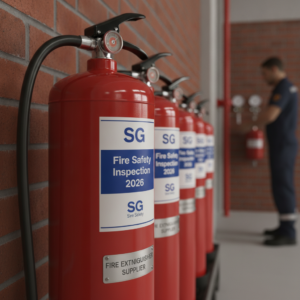
- Six-monthly: check pressure gauges on sprinkler valves, hose reel accessibility, and portable extinguisher visual tags.
- Annually: full testing of alarm systems, sprinkler flow tests, and professional servicing of suppression systems. Refer to an inspection checklist tailored for Singapore to ensure nothing is missed: fire protection systems inspection checklist.
- Afterworks: re-certify systems following major renovations, tenant fit-outs or changes in building use.
Portable extinguishers: selection, placement and maintenance
Portable extinguishers are a vital first-response tool when used correctly.
- Selection: Use water or foam for Class A fires (combustibles), CO2 or clean agents for electrical hazards, and dry powder for flammable liquids where appropriate.
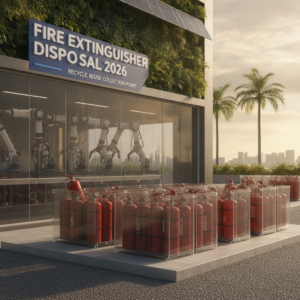
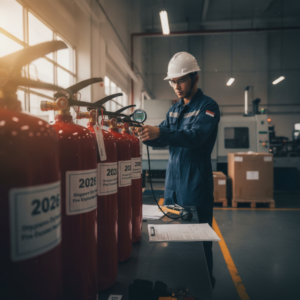
- Maintenance: monthly visual checks and annual professional servicing are standard. For specifics on servicing and end-of-life disposal, see extinguisher maintenance and disposal guidance.
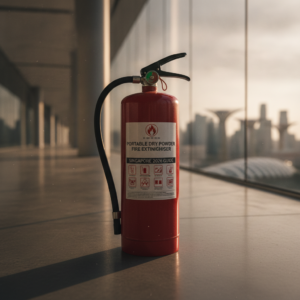
Note: dry powder extinguishers are common for certain risks—learn when to use them safely in this guide on dry powder fire extinguishers.
Inspections, records and documentation
Inspections should generate clear records that show:
- Who carried out the check and when.
- What tests were performed and the results.
- Defects found and corrective actions taken, with dates and responsible parties.
Digital inspection platforms provide timestamped evidence and support compliance reporting during audits.
Smart upgrades: where to invest first
When planning upgrades, prioritise interventions that reduce risk and recurring costs:
- Smart detectors with remote alerts reduce false alarms and speed incident response.
- Zone-level monitoring for sprinkler systems helps isolate issues and reduce water damage during accidental activations.
- Integration with BMS and CCTV creates richer situational awareness for operations and responders.
A clear provider selection guide will help you compare offerings; use resources like this fire safety company and extinguisher guide to vet vendors.
Compliance risks and common faults to fix now
Inspections often find recurring issues that are straightforward to remedy:
- Blocked hydrant access or locked hydrant cabinets.
- Expired or improperly tagged extinguishers.
- Broken or non-compliant fire doors and seals.
- Obstructed escape routes and inadequate signage.
Addressing these items quickly reduces enforcement risk and significantly improves occupant safety.
Choosing a competent service provider
Selecting the right contractor affects both compliance and long-term costs. Criteria to consider:
- Transparent warranties and clear service level agreements.
- Digital reporting capabilities and rapid emergency response teams.
- Proven track record for both equipment supply and system integration.
A professional guide can simplify contractor selection and tender evaluation. For practical supplier advice and inspection preparation, consult vendor resources like the fire extinguisher maintenance and disposal and the company guide linked earlier.
Training and occupant preparedness
Even the best systems fail if occupants are unprepared. Make training realistic, schedule drills with the building’s fire response team and rotate scenarios to cover different hazards.
Cost considerations and budgeting for 2026
Budgeting for fire safety requires balancing capital upgrades with lifecycle maintenance:
- Allocate a recurring budget for annual servicing, spare parts and inspection fees.
- Plan capital expenditure for system upgrades every 10–15 years or earlier if standards evolve.
- Consider subscription-based monitoring services to spread cost while benefiting from continuous remote surveillance.
Investments in smart monitoring and preventative maintenance often pay back through lower emergency repairs and reduced insurance premiums.
Final checklist: immediate actions for owners and managers
- Ensure extinguishers are tagged, visible and appropriate for the hazards; review guides on extinguisher selection and dry powder use.
- Digitise records and set automated reminders for testing and certification deadlines.
- Evaluate affordable smart upgrades that integrate with your BMS and improve operational visibility.


No comment yet, add your voice below!