

Why this guide matters in 2026
Fire safety remains a top priority for homes and businesses across Singapore. Whether you’re a facilities manager, landlord, or homeowner, understanding portable fire extinguisher care and timely fire extinguisher replacement helps protect people, property and compliance with local standards. This 2026 update highlights practical inspection steps, replacement triggers, eco-aware options and new technology trends shaping fire-safety decisions today.
Quick overview: Portable fire extinguisher basics
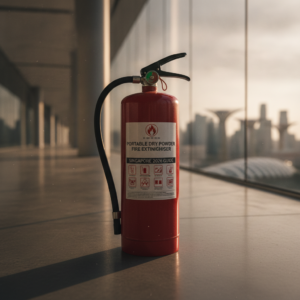
A portable fire extinguisher is your first line of defence against small, contained fires. They come in a few common types (dry powder, CO2, water, wet chemical) and are selected based on the likely fire class—electrical, grease, paper, or flammable liquids. Correct selection, placement and maintenance determine whether an extinguisher will work when you need it most. If you’re not sure where to replace or service units in Singapore, this local resource helps: portable fire extinguisher.
When to replace: clear triggers for replacement
Knowing when to perform a full fire extinguisher replacement vs. servicing can save time and reduce risk. Replace an extinguisher when any of the following apply:
– The unit has visible physical damage (corroded cylinder, dented valve or broken nozzle).
– The pressure gauge shows out-of-range or the unit fails a pressure test.
– The extinguisher has been discharged (even partially) and cannot be reliably recharged or recertified.
– The unit fails internal inspection or hydrostatic testing (when required).
– The extinguisher is beyond its manufacturer’s recommended service life (typically 5–15 years depending on type).
For many organisations, a formalised replacement schedule tied to inspection records simplifies compliance and budgeting.
How service and replacement differ
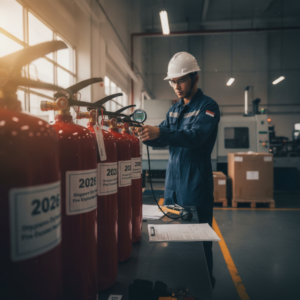
Servicing is routine: visual checks, pressure verification, refilling or recharging, and replacing seals or tamper indicators. Replacement means removing the unit from service and installing a new one because it cannot safely re-enter use. For professional servicing and combined alarm checks in Singapore, refer to verified providers: fire extinguisher servicing.
Types, lifespans and replacement considerations
Different extinguisher technologies have different lifespans and maintenance needs:
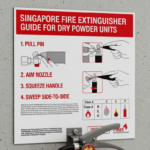
– Dry powder: versatile for multiple fire classes; typically robust but requires periodic checks. Learn more about dry powder options here: dry powder fire extinguisher.
– CO2: ideal for electrical fires; ensure horn integrity and regulator checks.
– Wet chemical: best for kitchen/grease fires; check seals and agent condition.
– Water and foam: used for Class A fires, subject to freezing and corrosion risks.
For a focused reference on dry powder models and safe use, consult this guide: dry powder units guide.
Practical inspection checklist (monthly and annual)
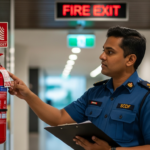
Monthly visual checks (quick, can be done by building staff):
– Pressure gauge within green zone.
– Pin and tamper seal intact.
– No obvious physical damage or corrosion.
– Labels readable and operating instructions present.
– Correct type and size for location.
Annual professional checks (by accredited technicians):
– Full mechanical inspection and operational tests.
– Recharge or clean agent if required.
– Hydrostatic testing when due (period depends on agent and regulation).
– Log entries and tags updated for compliance.
Record-keeping is essential; persistent gaps in inspection records are a common compliance issue during fire safety inspections.
Step-by-step: replacing a portable fire extinguisher
- Confirm cause: verify why replacement is needed (damage, failed test, discharge).
- Choose the correct replacement type and capacity for the risk area.
- Select a certified supplier/servicer and schedule removal. For local guidance, see recommended replacement locations: portable fire extinguisher.
- Ensure proper disposal of the old extinguisher — pressurised cylinders must be handled by professionals.
- Install the new unit with proper mounting, signage and accessible positioning.
- Update logs, certificates and emergency plans.
Cost, warranties and disposal
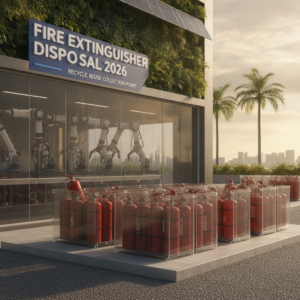
Replacement costs vary by type and capacity. Consider total cost of ownership: purchase price, servicing, training and proper disposal. Many providers offer warranties and maintenance packages that reduce long-term costs and ensure compliance. When disposing of old extinguishers, use authorised contractors—incorrect disposal can be hazardous and non-compliant.
Compliance with Singapore standards and inspections
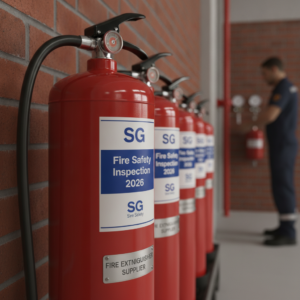
Singapore expects strict adherence to fire safety rules for commercial premises. Regular fire safety inspections assess extinguisher availability, type suitability, and maintenance records. To understand broader inspection and protection expectations, consult fire safety inspection resources: fire safety inspection. Maintain an up-to-date servicing log and ensure technicians are certified for the specific extinguisher types you use.
New trends affecting replacement decisions in 2026
- IoT-enabled monitoring: Smart tags and pressure-sensor IoT devices now allow real-time status reporting of portable fire extinguisher pressure and location, reducing unnoticed failures and improving maintenance scheduling.
- Eco-friendly agents: Suppliers increasingly offer low-global-warming-potential agents and recyclable cylinder materials, aligning replacement choices with sustainability goals.
- Consolidated service platforms: One-stop providers now bundle extinguisher supply, servicing and fire alarm maintenance—streamlining vendor management and compliance (see combined service options: fire extinguisher servicing).
- Data-driven replacement cycles: Facilities use digital records to predict end-of-life and optimise replacements rather than relying solely on calendar schedules.
Embracing these trends can reduce unplanned downtime, lower lifecycle costs and improve safety outcomes.
Best practices for facilities managers and homeowners in Singapore
- Map risks: Match extinguisher types and capacities to room functions (kitchens, server rooms, storage).
- Label and place: Signage, clear sightlines and unobstructed access reduce response time during incidents.
- Train occupants: Regular, practical fire extinguisher training improves confidence and correct use.
- Partner locally: Use accredited local vendors for purchase, servicing and safe disposal to ensure regulatory compliance.
If you need supplier guidance or a step-up in your maintenance routine, trusted local resources and guides can help locate certified providers and explain replacement options.
Quick decision matrix: service vs replacement
- Service if: unit is intact, within test parameters and simply requires recharging or routine maintenance.
- Replace if: structural damage, failed tests, expired service life, or if new hazard assessment requires a different agent.
Final checklist before you replace
- Verify the exact cause and document it.
- Confirm recommended replacement type against the hazard.
- Obtain quotes that include installation, tagging and disposal.
- Ensure the provider supplies certification and updates your maintenance log.
- Schedule occupant training and post-installation inspection.
Closing notes
A proactive approach to portable fire extinguisher maintenance and timely fire extinguisher replacement reduces risk, supports compliance and often saves money over time. In Singapore’s tightly regulated environment, combining routine checks, professional servicing and an eye on 2026 trends—like IoT monitoring and greener agents—creates resilient, future-ready fire safety systems.
For practical on-the-ground guidance about dry powder options and professional services, review the local supplier resources linked throughout this guide to help you plan effective replacement and servicing strategies.

No comment yet, add your voice below!