

The Singapore context: why a trusted partner matters
Fire safety in Singapore is non-negotiable. With dense urban spaces, mixed-use developments and busy commercial corridors, building owners and facilities managers must meet tight regulatory standards while keeping occupants safe. Choosing the right fire extinguisher supplier and establishing robust fire alarm maintenance processes are two pillars of a compliant and resilient fire-safety program.
In 2026 the landscape continues to evolve: regulations emphasize documented inspections, certified technicians, and integration with building management and monitoring systems. This article outlines what to look for from a supplier, best practices for fire alarm maintenance, and practical steps for Singapore organisations to reduce risk and cost.
How to select a fire extinguisher supplier in Singapore
A local, experienced supplier does more than sell equipment. Look for partners who offer end-to-end services: site assessment, correctly specified extinguishers, trained installation, regular servicing and clear certification. One reliable starting point is to review providers who publish inspection and compliance guides—these resources show a commitment to regulatory best practice. For practical inspection standards, consider reviewing a comprehensive local resource like this inspection guide: fire extinguisher supplier.
Key criteria when evaluating suppliers:
- Accreditation and technician certification: ensure technicians are trained and accredited to service the extinguisher types you need.
- Range of product types: a reputable supplier should offer water, foam, CO2, dry powder and wet-chemical units and advise based on the actual hazards on site.
- Clear servicing and documentation: supplier should issue service reports, tags and certificates suitable for regulatory inspections.
- Spare parts and timely replacements: ask about guaranteed lead times and replacement policies.
Match extinguisher types to hazards — practical guidance
Understanding extinguisher types is essential for compliance and effective response. Common classes and Singapore-recommended matches include:
- Class A (solids): water or foam units.
- Class B (flammable liquids): foam or dry powder; CO2 in some scenarios.
- Class C (flammable gases) and electrical risks: CO2 or dry powder where appropriate.
- Kitchen (deep-fat) fires: wet chemical units are the industry standard.
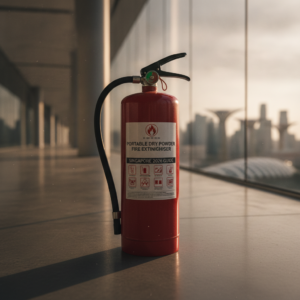
Dry powder units are widely used for multi-risk areas. For an in-depth look at dry powder selection and handling in Singapore, consult this guide: dry powder fire extinguisher.
If you’re replacing older units or standardising fleet types, practical replacement tips can reduce downtime and ensure you’re buying the right capacity and rating for each location: portable fire extinguisher replacement.
What good fire alarm maintenance looks like
Fire alarm maintenance is not simply a checklist item; it’s a lifecycle program. Effective maintenance preserves detection performance, reduces false alarms, and ensures quick occupant notification. Comprehensive maintenance typically includes:
- Scheduled functional tests of detectors, call points and sounders.
- Battery checks and replacements for panels and standalone devices.
- Periodic sensitivity testing for smoke detectors in dusty or high-traffic areas.
- Panel diagnostics, firmware updates and backup power verification.
A practical local resource that combines alarm servicing with extinguisher work helps streamline compliance: fire alarm maintenance and fire extinguisher servicing.
Maintenance schedules and responsibilities
Regulatory guidance in Singapore emphasizes both routine visual checks by on-site staff and periodic servicing by qualified technicians. Typical cadence used by many organisations:
- Daily/weekly: quick visual checks of extinguishers for pressure gauge and obvious damage; ensure alarms have no visible faults.
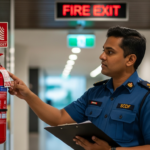
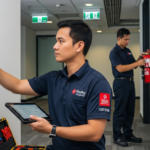
- Monthly: documented walk-around inspections by the facility team to confirm location, signage and accessibility.
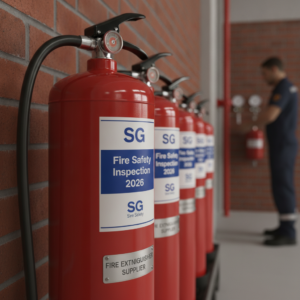
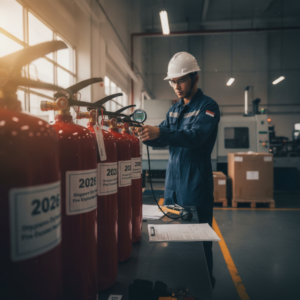
- Annually: full servicing and certification of portable fire extinguishers and fire alarm panels by accredited technicians; some systems or components may require more frequent tests depending on risk.
Ensure your maintenance contract defines clear deliverables: frequency, response time for repairs, replacement policies and record-keeping standards.
Integrating modern trends: smart monitoring and predictive maintenance
2026 sees wider adoption of IoT and predictive analytics in fire safety. Smart sensors can monitor battery health, detector contamination levels and extinguisher pressure in real time. Benefits include fewer false alarms, planned maintenance windows instead of emergency call-outs, and data-driven lifecycle planning for equipment replacement.
Consider these options when negotiating service agreements:
- Cloud-based monitoring for alarm panels and critical detectors.
- Pressure sensors for high-value portable extinguishers that report status remotely.
- Scheduled analytics reports that identify components nearing end-of-life.
These solutions support compliance while reducing long-term operating costs.
Choosing a maintenance partner: contract essentials
When selecting a company for fire alarm maintenance, look for these contract components:
- Clear scope of services (testing, repairs, spares, emergency call-outs).
- Defined response times and priority levels for faults.
- Transparent pricing and warranty terms for replacements.
- Regular reporting and certificates suitable for audits.
If your site handles multiple extinguisher types (for example, a kitchen with wet-chemical units and general areas with dry powder), make sure the contractor demonstrates experience across all relevant systems. A useful resource on dry powder servicing and local capabilities is available here: dry powder units.
Cost considerations and lifecycle planning
Initial purchase price is only part of the total cost of ownership. Factor in:
- Installation and commissioning costs.
- Recurring maintenance and parts replacement.
- Training and documentation for staff inspections.
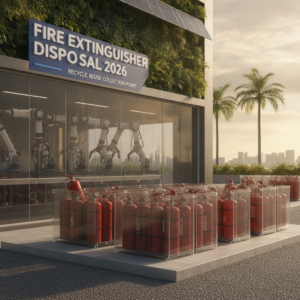
- Disposal and recharge costs for spent units.
Well-specified equipment and proactive maintenance can reduce emergency replacements and lower insurance premiums. Detailed replacement guidance helps decision-making when fleet refresh is needed: portable fire extinguisher replacement.
Practical site-prep and staff readiness
Even the best equipment fails if occupants and staff aren’t prepared. Key actions for facilities managers:
- Maintain clear signage and unobstructed access to extinguishers and call points.
- Train staff in correct use (PASS method: Pull, Aim, Squeeze, Sweep) and in sounding the alarm.
- Run regular evacuation drills and coordinate with contractors so testing doesn’t disrupt operations unexpectedly.
- Keep service records and certificates organised for fast retrieval during inspections.
Common pitfalls and how to avoid them
- DIY servicing: portable extinguishers and alarm panels must be maintained by accredited technicians for compliance—avoid DIY fixes that void warranties.
- Ignoring environmental effects: detectors in kitchens or dusty spaces need different maintenance cadences than those in office zones.
- Under-specifying extinguishers: choosing the wrong class or insufficient capacity can render a response ineffective.
Partnering with an experienced supplier who can perform hazard surveys will prevent these mistakes.
Final checklist before signing a contract
- Confirm supplier accreditation and local experience.
- Review the sample service report and certificate format.
- Agree on response times and spare part availability.
- Ask about smart monitoring options and reporting cadence.
- Ensure pricing includes all foreseeable recurring costs and emergency call-outs.
Conclusion
Selecting the right fire extinguisher supplier and implementing a thorough fire alarm maintenance program are foundational to workplace safety and regulatory compliance in Singapore. Prioritise accredited providers who combine correct equipment selection, documented maintenance and smart monitoring capabilities. With thoughtful procurement and consistent servicing, organisations can reduce risk, control costs and protect people and assets effectively in 2026 and beyond.
For practical guides and local resources on inspection standards, replacement tips and combined servicing offerings, review the linked resources above to help you plan your next safety upgrade.

No comment yet, add your voice below!