

Introduction
As we move into 2026, owners, facilities managers and fire safety officers need a clear, practical timeline for inspection, servicing and replacement so they stay compliant and keep people safe. This guide breaks down recommended intervals, what triggers replacement, who must act, and the latest trends reshaping how Singapore manages extinguisher fleets.
Why a clear replacement timeline matters
A consistent timeline reduces risk, limits liability and avoids costly enforcement actions. Regular checks catch leaks, pressure loss and corrosion before an extinguisher fails in an emergency.
Overview: Key intervals to remember (practical timeline)
- Monthly: Visual checks by the premises owner or appointed person. Confirm gauges, seals and signage are intact; ensure no obvious damage or tampering.
- Frequency on-site depends on occupancy risk and extinguisher type.
- Every 5 years: Detailed internal inspection, refilling or repacking for certain types (common industry practice for dry powder units); replace components as required.
- Every 5–12 years: Hydrostatic testing intervals vary by extinguisher type and manufacturer. Where hydrostatic testing is not feasible or fails, replacement is needed.
- End of service life: Replace per manufacturer guidelines, or when corrosion, pressure loss, failed tests or internal contamination are found.
These are practical, industry-aligned timelines to guide planning.
When to replace immediately
Replace an extinguisher without delay if any of the following are observed:
- Visible damage to the cylinder (dents, deep rust, severe corrosion).
- Gauge shows low pressure or the unit fails pressure testing.
- Tamper seals or safety pins are missing and contents appear discharged.
- Expired or past recommended service life and internal inspection finds contamination.
- A failed hydrostatic test or repair that compromises safety.
For standard replacement procedures and supplier selection, follow a trusted supplier checklist such as the fire extinguisher replacement and supplier guide.
Step-by-step replacement process (what facilities teams should do)
- Record and classify: Maintain a current inventory — type, location, installation date, last service date, and serial number.
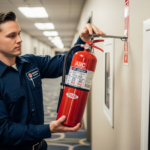
- Inspect monthly: Appoint a responsible person to perform visual checks and log findings.
- Install, tag and certify: Ensure the supplier tags new units, updates the service log, and issues the statutory certificate.
- Update the fire safety plan and digital logs: Keep installation and servicing certificates accessible for audits.
Types of extinguishers and lifecycle notes
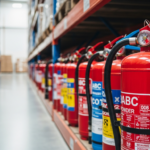
- Dry powder (ABC) extinguishers: Widely used for multi-risk protection. Industry practice often repacks or inspects internally every 5 years; replacement or hydrostatic testing timing varies by service results.
- CO2 extinguishers: Typically require specialized testing and may have longer intervals for hydrostatic testing but need careful inspection of horns and seals.
- Water and foam units: Corrosion-prone; inspect for internal rust and replace as necessary according to test results.
For maintenance specifics on dry powder units, including alarm and refill considerations, refer to this practical note on dry powder fire extinguisher maintenance.
Documentation, labeling and compliance
Keep the following on file for every extinguisher:
- Installation and purchase proof
- Service certificates and inspection reports
- Hydrostatic test results (where applicable)
- Replacement and disposal records for decommissioned units
Digital recordkeeping, including QR codes on units linking to maintenance logs, is becoming standard because it simplifies audits and proves compliance in real time.
Cost considerations and budgeting for replacements
Budget for replacement in three categories:
- Routine servicing (annual or biannual) — predictable line item.
- Component replacement (nozzles, valves, seals) — moderate and occasional.
- Full unit replacement (damaged or beyond lifespan) — infrequent but higher cost.
Planned replacement programs spread expenditure over multiple years and reduce emergency spend. Evaluate the total cost of ownership: a higher-quality, TUV SUD PSB approved unit plus regular servicing often costs less over its lifecycle than repeated emergency replacements.
Selecting suppliers and verifying credentials
When tendering or appointing a supplier, ask for:
- Service and replacement warranties
- Evidence of compliant extinguishers (type approvals and manufacturer specs)
- Digital service reporting options
Emerging trends shaping 2026 replacement practices
- Digital maintenance and QR tagging: Instant access to service records via QR scans accelerates inspections and audit readiness.
- IoT-enabled monitoring: Some facilities are trialling sensors that report pressure and tamper status to a central dashboard in real time.
- Predictive maintenance: Analytics from service histories predict components likely to fail, enabling pre-emptive replacement and lower downtime.
- Sustainable agents and disposal: There’s growing interest in environmentally friendlier agents and responsible disposal/recycling of retired cylinders.
- Stricter enforcement and transparency: Regulators are placing greater emphasis on documented compliance; digital evidence reduces dispute risk.
Practical checklist: Preparing for 2026 audits and upgrades
- Confirm every extinguisher is logged in a central inventory.
- Replace units showing any sign of structural compromise or failed tests.
- Adopt digital logs or QR tagging for each extinguisher.
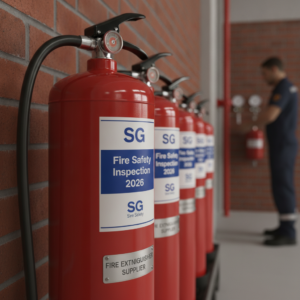
- Schedule a facility-wide inspection with a certified supplier this year to map replacements across 2026.
Consider consulting a TUV SUD PSB approved buying guide for compliant portable units before making purchases: portable fire extinguisher TUV SUD PSB approved buying guide.
Common mistakes to avoid
- Relying only on visual monthly checks and skipping professional servicing.
- Buying cheaper non‑approved units to save upfront costs.
- Failing to keep service certificates or losing paper records during audits.
- Delaying replacement until the next inspection cycle after a fail — immediate action is often needed.
Final practical advice for building owners and FM teams
Prioritise a pragmatic replacement plan: map extinguishers by age and condition, use a phased budget to replace older or higher-risk units first, and standardise supplier contracts with built-in digital reporting.
For step-by-step supplier selection and an in-depth replacement checklist tailored for Singapore facilities, refer to the full fire extinguisher replacement and supplier guide.
Closing summary
A robust 2026 fire extinguisher replacement timeline balances routine inspections, scheduled servicing and timely replacement. Following these steps helps ensure compliance, reduces risk and keeps people safe across Singapore premises.

No comment yet, add your voice below!