

Why this guide matters in Singapore
Fire safety is a year‑round priority in Singapore. This guide explains when to replace extinguishers, how to pick the right extinguisher supplier, cost considerations, and the latest 2026 trends like smart monitoring and greener options.
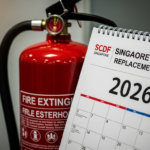
When to replace a fire extinguisher
Knowing when to replace an extinguisher avoids dangerous failures and keeps you compliant with local inspection regimes.
Key replacement triggers:
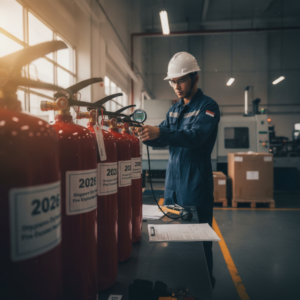
- Expiry or out‑of‑service date: check the label and service tag. If a unit has passed its declared service life or cannot pass required tests, it should be replaced.
- Damaged or corroded cylinder: visible rust, dents or compromised fittings mean replacement.
- Low or unstable pressure: if the pressure gauge shows below the green zone after servicing, the extinguisher may need replacement.
- Missing or illegible service records: without verifiable, up‑to‑date servicing history you should replace or re‑service the unit before it’s relied upon.
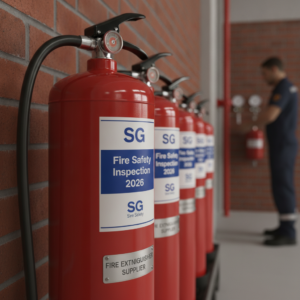
For guidance on inspection readiness and approvals, refer to resources about how to pass fire safety inspection for extinguishers.
Types of extinguishers and typical replacement considerations
Choosing the right replacement depends on the hazard class and environment.
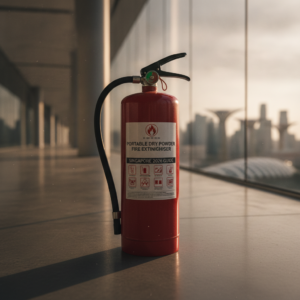
- Dry powder (ABC): Common for mixed hazards in commercial spaces. Rechargeable and often long‑lasting if maintained, but requires periodic servicing. See specialist notes on dry powder maintenance.
- CO2: Excellent for electrical and flammable liquid fires. Lifespan is good but cylinders and horns must be inspected for damage.
- Water and water mist: Suitable for Class A risks (paper, wood). Not for electrical risks.
- Wet chemical (kitchen): Required in commercial kitchens. These need specific servicing and replacement protocols due to chemical properties.
Replacement frequency varies by type, usage, and servicing history. Annual servicing is standard in Singapore — replace when a unit cannot be restored to working condition.
Step‑by‑step: replacing extinguishers in Singapore
- Audit your inventory: map extinguisher types, locations, service dates and last inspection.
- Identify units needing replacement by condition, age, and inspection outcomes.
- Arrange installation location, signage and accessibility, ensuring obvious visibility and travel distance compliance.
- Update logbooks and digital records; attach service tags and schedule the first service with the supplier.
- Train staff on new units and maintain a maintenance schedule.
How to choose a reliable fire extinguisher supplier
Selecting the right fire extinguisher supplier is as important as selecting the extinguisher itself.
What to look for:
- Comprehensive services: sourcing, installation, annual servicing, hydrostatic testing, and recordkeeping.
- Proven track record and references from similar Singapore businesses or facilities.
- Training and handover: suppliers should offer staff training on basic use and routine checks.
- Transparent pricing: clear breakdowns for purchase, installation, servicing and parts.
- After‑sales support and warranty: quick response for replacements, refills, or emergency servicing.
- Digital record capability: cloud service logs, reminders, and certificates help pass inspections.
Costs and budgeting for replacement
Costs in Singapore vary by extinguisher type, capacity and whether you’re buying new or opting for refurbishment.
Typical ballpark (2026 Singapore context):
- Small ABC dry powder (1–2 kg): economical, often used in domestic settings.
- Standard commercial ABC (4.5 kg): mid‑range — popular for offices and shops.
- CO2 and larger capacity units: higher cost due to cylinder material and filling.
- Servicing and annual maintenance: a modest recurring cost; budgeting for scheduled servicing avoids emergency replacements.
Factor in disposal or recycling fees, installation brackets and signage, training, and digital tagging if you adopt smart monitoring.
Trends for 2026: smart monitoring, sustainability and supply chain resilience
- IoT & sensor monitoring: more suppliers now offer pressure sensors and tamper alerts connected to building management systems or mobile apps. This reduces missed inspections and speeds up replacements.
- Digital compliance: cloud records, automated reminders and QR‑tagged service histories help pass inspections and reduce paperwork.
- Rechargeable and refillable focus: environmental concerns are pushing organisations toward refillable systems where safe and appropriate.
- Sustainable procurement: suppliers increasingly offer lower‑impact chemicals and recyclable cylinders.
- Local stock resilience: post‑pandemic supply chain lessons mean suppliers with local stock and fast fulfilment are preferred for critical replacements.
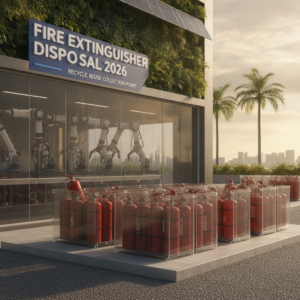
Disposal and recycling: what to do with replaced units
Do not discard extinguishers as general waste. Follow these steps:
- Engage your supplier: many suppliers offer cylinder disposal or return/refill services.
- Confirm depressurisation and safe handling: trained technicians should render units safe.
- Recycle metal components where possible: steel and aluminium cylinders can often be recycled.
- Keep documentation: disposal certificates can be helpful for compliance audits and asset records.
Practical checklist before you finalise replacement
- [ ] Confirm hazard classes and required extinguisher types for each area.
- [ ] Check last service date and serial number; flag units beyond recommended service life.
- [ ] Verify supplier provides installation, service schedule and training.
- [ ] Ensure proper signage, mounting brackets and unobstructed access.
- [ ] Record new service tags and update digital logs.
- [ ] Plan budget for disposals, refills and recurring maintenance.
If you’re replacing dry powder units or scheduling alarm/maintenance, suppliers with specialist knowledge on dry powder maintenance can help streamline the process.
Common questions answered
Q: How often should extinguishers be serviced in Singapore?
A: Annual servicing is the standard expectation for most portable extinguishers. Additional checks may be required after use or if the unit shows signs of damage.
Q: Can a discharged extinguisher be refilled or must it be replaced?
A: Many extinguishers are rechargeable and can be refilled by a certified technician. If a unit fails testing, shows structural damage, or is beyond its service life, replacement is the safest option.
Q: What documentation should my supplier provide?
A: Purchase invoices, an installation checklist, service tags, annual service reports, and certificates of hydrostatic testing or disposal where applicable.
Final notes: partner with the right supplier and keep records
Use this guide to audit your inventory, prioritise critical replacements, and choose suppliers who offer compliance, training and modern monitoring options.
Stay proactive: well‑maintained extinguishers and the right supplier reduce risks and ensure your premises are ready if a fire occurs.


No comment yet, add your voice below!