

Introduction
Managing fire safety in Singapore means more than buying the right equipment. For businesses, landlords and facilities managers, consistent portable fire extinguisher servicing and thorough fire alarm maintenance are essential to protect people, property and regulatory compliance.
Why portable fire extinguisher care and fire alarm maintenance matter in Singapore
Singapore has rigorous expectations for fire safety. Neglected portable fire extinguishers can fail in an emergency, while poorly maintained fire alarm systems may not detect fires early enough for safe evacuation. Benefits of regular maintenance include:
- Ensuring operational readiness when seconds count
- Reducing insurance risk and facilitating claims
- Extending asset life and avoiding costly replacements
- Creating audit-ready records for inspections
Maintaining both portable fire extinguisher readiness and fire alarm maintenance forms a single defence strategy that protects life and business continuity.
Choosing the right portable fire extinguisher for your premises
Not all extinguishers are the same. Selection depends on the hazards present:
- Water extinguishers: suitable for Class A fires involving ordinary combustibles
- CO2 extinguishers: ideal for electrical fires, leave minimal residue
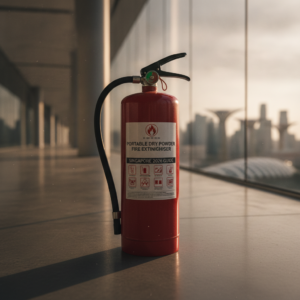
- Dry powder extinguishers: versatile for Class A, B and C but can cause residue issues
- Foam extinguishers: best for liquid fuel fires and some Class A applications
- Clean agent extinguishers: used in sensitive environments like server rooms
Placement and size matter. Extinguishers must be visible, accessible and mounted at correct heights. For guidance on approved suppliers and replacement options, consult this list of top fire extinguisher suppliers and replacements in Singapore: top fire extinguisher suppliers and replacements.
Routine checks: daily, monthly and annual actions for extinguishers
Effective maintenance mixes simple daily checks with scheduled professional inspections:
- Daily/Weekly: quick visual inspections by staff to confirm signage, unobstructed access and intact seals
- Monthly: check pressure gauges, pin and tamper seals, visible corrosion, nozzle condition and expiry labels
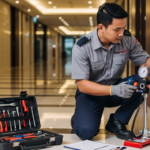
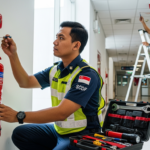
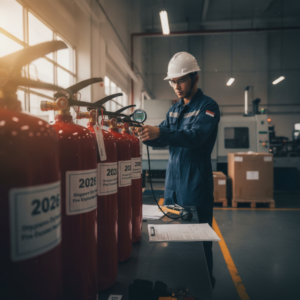
- Annual: certified inspection and servicing by a trained technician to test mechanical function, recharge or replace agents as needed
- Hydrostatic testing: required at specified intervals depending on type and manufacturer guidance
For detailed inspection timelines and the latest 2026 requirements, review this maintenance and inspection guidance: fire extinguisher maintenance and inspection 2026.
Document every check.
Fire alarm maintenance best practices
Fire alarm maintenance goes beyond periodic testing. Key practices include:
- Regular functional testing of smoke detectors, heat detectors and manual call points
- Battery replacement cycles for standby power sources
- Cleaning detectors to prevent dust-related false alarms or failures
- Inspection of wiring, control panels and annunciators for corrosion or tampering
- Integration checks between alarms, emergency lighting and ventilation cutoff
Many building managers pair their alarm maintenance schedule with extinguisher checks so both systems are validated together.
Common faults and early detection tips
Knowing likely failure modes helps you catch problems before they escalate:
- Low gauge pressure on extinguishers indicates leaks or loss of propellant
- Caked or solidified powder can clog nozzles; regular shaking and professional servicing helps
- Expired or corroded tags and seals mask true service history
- Detectors covered in dust or paint may fail to sense smoke
- Faulty power supply or depleted batteries lead to alarm panel faults
- Wiring degradation in humid environments can cause intermittent faults
A proactive inspection checklist addresses these points and minimizes surprises during emergencies.
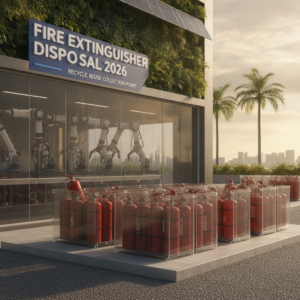
timelines, replacement rules and legal considerations
Understanding replacement cycles and documentation requirements helps prevent non-compliance.
Keep copies of service certificates, test results and supplier invoices. These records are the primary evidence during inspections and insurance assessments.
Digital trends and smarter maintenance
Modern maintenance is increasingly digital. Trends that Singapore facilities are adopting include:
- IoT-enabled sensors on extinguishers and alarm panels to report status and location
- Mobile inspection apps that replace paper logbooks, timestamp checks and store photos
- Cloud dashboards providing maintenance analytics and automated reminders
- Predictive maintenance, using historical fault data to forecast replacements
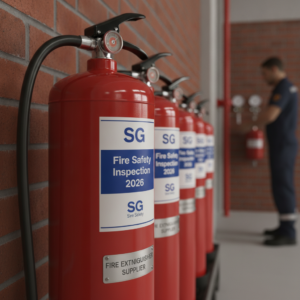
Digital approaches reduce human error, improve transparency for audits and make scheduling large property portfolios more manageable. Many local suppliers now offer integrated inspection and supplier services that combine physical maintenance with digital records. See an example of fire safety inspection and supplier offerings here: fire safety inspection and supplier.
Training, drills and staff readiness
Equipment is only effective if people know how to use it. Training and drills should include:
- Hands-on extinguisher training using the PASS method: Pull, Aim, Squeeze, Sweep
- Regular evacuation drills tied to alarm tests
- Specific training for safety officers and designated persons-in-charge
- Familiarity with alarm panel functions and emergency contacts
Create clear signage and a documented fire response plan. Well-trained staff reduce panic and can often limit fire spread before professional responders arrive.
Selecting a certified provider in Singapore
When hiring a maintenance or replacement vendor, verify qualifications:
- Clear warranty and replacement policies
- Transparent pricing and itemised service reports
- Digital record delivery and compliance documentation
A good provider will walk you through both portable fire extinguisher servicing and comprehensive fire alarm maintenance, tailored to the layout and risk profile of your premises. If you need vendor options and comparisons, this supplier and replacements page is a useful starting point: top fire extinguisher suppliers and replacements.
Practical checklist you can use today
- Confirm extinguisher types match the hazards on site
- Ensure extinguishers are mounted, labelled and unobstructed
- Check pressure gauges monthly and seals annually
- Test alarm systems and emergency lighting on a scheduled basis
- Replace detector batteries and clean devices regularly
- Keep digital records of every inspection, test and repair
- Train staff on extinguisher use and evacuation procedures
If you manage multiple premises, centralise records and automate reminders to prevent lapses.
Conclusion
A robust fire safety program in Singapore combines well-chosen portable fire extinguishers, regular fire alarm maintenance and reliable documentation. Embrace digital inspection tools and partner with certified suppliers to make maintenance predictable and auditable. Prioritise consistent checks, staff training and verified supplier support to ensure systems perform when they are needed most.

No comment yet, add your voice below!