

Why fire safety inspection matters in Singapore
A robust fire safety inspection programme is the backbone of any building’s life-safety strategy.
Whether you manage an HDB block, commercial office, factory or retail mall, understanding what a professional fire safety inspection covers and how to pick a reliable fire extinguisher supplier will help you meet regulatory timelines and maintain safe operations.
What a fire safety inspection includes
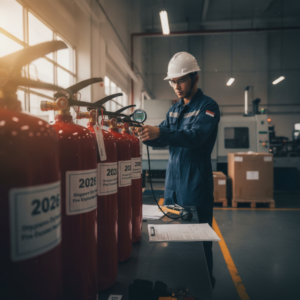
A comprehensive fire safety inspection is more than a visual check of fire extinguishers. Typical elements include:
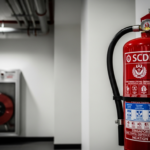
- Physical condition checks on portable fire extinguishers (pressure gauge, seals, hoses, mounting)
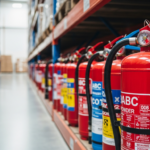
- Verification of extinguisher types and locations against fire risk (A, B, C hazards)
- Testing and inspection of fire detection and alarm systems
- Hose reel, sprinkler and hydrant assessments (where applicable)
- Emergency lighting and exit sign functionality tests
- Documentation and maintenance record review
Inspections should produce a clear, dated report with recommended corrective actions and replacement timelines.
Legal and compliance checkpoints in Singapore
Compliance with Singapore’s fire safety regulations is mandatory. Inspectors and building owners must ensure:
- Portable extinguishers are the correct class and capacity for identified hazards
- Records of inspection, servicing and replacement are retained for audit
Stay aware of timelines and mandated replacement rules.
Types of fire extinguishers and choosing the right one
Fire risks vary by environment. A supplier should help you match extinguisher types to hazards:
- Water (A) — for ordinary combustibles in low-risk spaces
- Foam (A, B) — for liquid fuel fires and general-purpose coverage
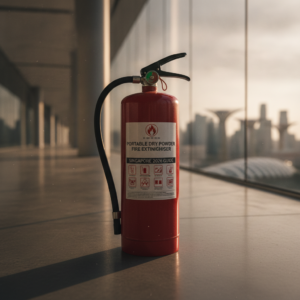
- Dry Powder (A, B, C) — versatile, used in factories and mixed-risk sites
- CO2 (B, electrical) — for electrical fires and server rooms
- Clean agents (FE-36, FM-200 alternatives) — for sensitive equipment areas
For details on dry powder units and alarm/maintenance considerations, see this technical overview on dry powder fire extinguisher alarm maintenance.
What to expect from a professional inspection service
A qualified inspector or accredited firm will:
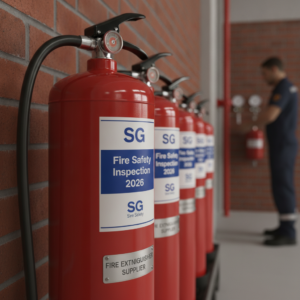
- Tag and record each extinguisher with date, location and service history
- Advise on corrective actions (refill, hydrostatic test, replacement)
- Provide training or demonstration for onsite personnel where requested
- Issue a formal report and certificate after inspection
If you’re replacing units or picking a new supplier, a good starting resource is a practical fire extinguisher replacement and supplier guide.
Selecting a reliable fire extinguisher supplier in Singapore
Choosing the right supplier is as important as the inspection itself. Look for vendors who provide:
- Transparent pricing for supply, installation and recurring maintenance
- Clear replacement timelines and parts availability
- Training and post-installation support
- Warranty and proper disposal of replaced units
Compare shortlisted vendors using a vendor shortlist; you can also review local market players via curated lists such as top fire extinguisher suppliers and replacements.
Key questions to ask potential suppliers:
- What documentation will you provide after every inspection or service?
- Do you offer IoT or digital inspection logs for asset management?
- What is your replacement lead time for critical units?
Maintenance, testing frequency and record-keeping
Regular maintenance keeps extinguishers ready for use:
- Monthly: Quick visual checks by building staff (pressure reading, tamper seal, mounting)
- Annual: Full service by a certified supplier (refill, mechanical inspection)
- 5–10 years (or per manufacturer): Hydrostatic testing or mandated replacement
Keep clear records — date of inspection, technician name, actions taken, serial numbers and location.
Modern trends shaping inspections and supplier services
The fire safety industry is evolving. Key trends to watch in Singapore:
- Digital inspection workflows: Mobile apps and cloud logs simplify monthly checks and make audits faster.
- IoT-enabled sensors: Pressure and status sensors on extinguishers provide near real-time alerts to central dashboards.
- Sustainable agents: Environmentally friendlier clean agents and low-global-warming-potential alternatives are gaining traction for critical facilities.
- Consolidated service offerings: Single vendors now bundle extinguishers, detection systems, training and maintenance for a one-stop solution.
Selecting a supplier who embraces these trends can reduce administrative burden and help future-proof your fire safety programme.
Practical checklist for building managers before inspection day
- Confirm locations and numbers of all portable extinguishers on site
- Ensure easy physical access to extinguishers (no obstructions)
- Collate previous inspection reports and replacement records
- Identify high-risk areas requiring specialist extinguishers
- Notify tenants or occupants about inspection windows
If your property needs a coordinated replacement plan, follow industry replacement guidance found in the fire extinguisher replacement and supplier guide and check recommended supplier options in the top fire extinguisher suppliers and replacements.
Cost considerations and budgeting
Budgeting for fire safety is not optional — it’s necessary. Typical cost elements:
- Capital spend for new extinguishers (varies by agent and size)
- Annual servicing fees per unit
- Replacement costs following hydrostatic testing or end-of-life
- Training and certification fees for staff
Final checklist: immediate steps for compliance and safety
- Schedule a full fire safety inspection with an accredited provider
- Standardise monthly visual checks and centralise records digitally where possible
- Train staff on extinguisher types and safe operation
Adopting a proactive approach to fire safety inspection and selecting a trusted fire extinguisher supplier in Singapore reduces risk, keeps you compliant and protects lives and assets. Implement the steps above and prioritise regular inspections, clear documentation and a supplier partnership that offers supporting services, modern digital tools and reliable turnaround for replacements. Good compliance planning today avoids expensive remediation and safety gaps tomorrow.

No comment yet, add your voice below!