

Introduction
Singapore’s dense urban environment and high-rise profile make effective building protection essential. In 2026, owners, facilities managers and stakeholders must balance regulatory compliance with practical investments in safety and resilience.
The regulatory landscape and ‘s role
- Setting and updating fire safety codes and technical standards.
- Reviewing building plans and issuing fire safety certifications where required.
- Conducting inspections and audits to ensure ongoing compliance.
- Coordinating emergency response and public education on fire safety.
Core components of a modern Singapore fire protection system
An effective fire protection strategy uses layered measures: prevention, detection, containment and suppression. Core elements typically include:
- Fire detection and alarm systems: Smoke and heat detectors linked to alarm panels and centralized monitoring.
- Sprinkler and water-based suppression: Wet-pipe or pre-action systems for many occupancies; specialized solutions for high-risk areas.
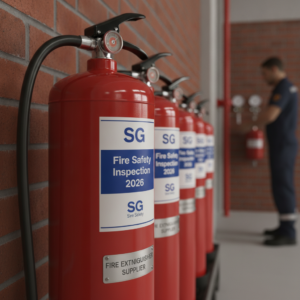
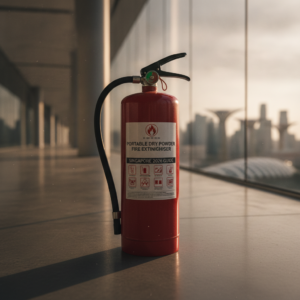
- Portable firefighting equipment: Appropriately rated fire extinguishers, blankets and hose reels maintained to standards. For details on servicing and locations, consult guidance on where to service portable fire extinguisher Singapore.
- Passive fire protection: Compartmentation, fire doors, fire-rated walls and ceilings to limit spread.
- Smoke control and ventilation: Systems designed to protect escape routes and enable safe evacuation.
- Emergency lighting, signage and egress provisions: Clearly marked, well-lit escape routes are essential.
- Specialized suppression: Gas, foam or water-mist systems for data centres, kitchens and heritage premises.
Each component must be selected, installed and commissioned to code, and integrated so systems communicate effectively during an incident.
Maintenance, testing and documentation: meeting fire safety expectations
A singapore fire protection system is only effective if it works when needed — and that means regular checks and certified maintenance.
Best-practice maintenance actions include:
- Daily/weekly visual checks by on-site staff for obvious defects.
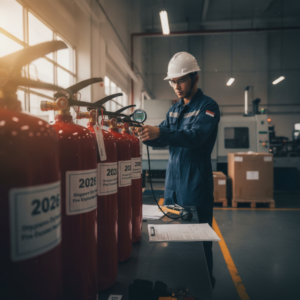
- Periodic professional inspections and testing according to manufacturer recommendations and code requirements.
- Prompt servicing and replacement of faulty components.
- Keeping a clear, up-to-date logbook of all inspections, faults and remedial actions.
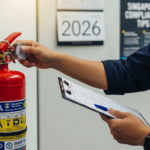
For portable extinguishers and routine upkeep, follow industry guidance on fire extinguisher maintenance in Singapore. Owners should also consult a comprehensive fire extinguisher maintenance checklist 2026 to ensure nothing is missed during visual and scheduled inspections.
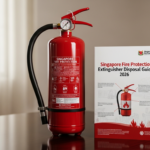
If your building has combined alarm and suppression systems, consider coordinated servicing: see recommendations for 2026 fire extinguisher and fire alarm maintenance. When equipment reaches end-of-life, follow safe disposal processes and recycling practices—refer to the fire extinguisher disposal guide for steps that meet environmental and safety norms.
Design principles: tailoring systems to risk
A pragmatic singapore fire protection system is risk-based. Factors shaping design include building use, occupant load, fire load (contents), height and means of escape. Typical principles:
- Life safety first: Protect occupants and ensure reliable egress.
- Proportionate measures: High-risk zones (e.g., industrial kitchens, plant rooms) need more stringent suppression and detection.
- Redundancy: Critical systems should have backup power and fail-safe modes.
- Interoperability: Fire alarms, access control and ventilation should integrate to support evacuation and firefighting.
Digital trends shaping fire protection in 2026
Two strong trends are reshaping how singapore fire protection system owners manage risk:
- IoT and remote monitoring: Sensors and networked panels enable real-time status reporting of detectors, extinguishers, valves and pumps. Centralized dashboards and mobile alerts reduce reaction time and help prioritise maintenance.
- Predictive maintenance and analytics: Data from sensors and service logs can feed analytic models that predict failures before they occur, lowering downtime and ensuring readiness.
Other notable trends include use of drones for roof and façade inspections, advanced smoke management modelling during design, and environmentally friendlier suppression agents where appropriate.
Practical steps for building owners and facilities managers
- Risk assessment and plan review
-
Document the rationale for system choices and expected performance.
-
Inventory and prioritise
-
Maintain an inventory of fire protection assets and prioritise critical items for frequent checks. Use checklists such as the fire extinguisher maintenance checklist 2026.
-
Engage competent contractors
-
Use certified, experienced contractors for installation and maintenance. For authorised service points, consult where to service portable fire extinguisher Singapore.
-
Implement a maintenance regime
-
Schedule routine tests, periodic professional servicing and lifecycle replacements. For combined systems, follow consolidated servicing guidance like the 2026 fire extinguisher and fire alarm maintenance.
-
Train occupants and staff
-
Regular fire drills, staff training on extinguisher use and clear evacuation procedures reduce harm. Designate and train Fire Warden teams for larger premises.
-
Keep records and be audit-ready
-
Maintain digital or hard-copy logs of inspections, defects and corrective actions.
-
Plan for obsolescence and disposal
- Replace equipment reaching end-of-life and dispose of extinguishers safely; follow the fire extinguisher disposal guide for compliant recycling.
Case examples and lessons learned
Several building owners in Singapore have improved resilience by combining basic compliance with smart investments. Examples include retrofitting older blocks with monitored sprinkler valve position sensors, integrating fire alarm status with building management systems, and using predictive analytics to schedule targeted maintenance. These measures reduce false alarms, improve uptime of critical systems and lower long-term maintenance costs.
Lessons learned from recent inspections:
- Documentation gaps are a common trigger for enforcement action—keep records current and accessible.
- Visual checks by untrained staff can miss subtle faults—pair routine checks with scheduled professional inspections.
- Integration matters: separate systems that don’t communicate can complicate evacuation and firefighting.
Conclusion
A resilient singapore fire protection system in 2026 balances regulatory compliance, smart maintenance and strategic adoption of new technologies. By following a risk-based approach and engaging qualified professionals, building owners can reduce fire risk, protect occupants and demonstrate compliance during inspections.

No comment yet, add your voice below!