

Introduction
In 2026, evolving regulations, greater digitalisation and new product options mean you need a clear maintenance plan to stay compliant, reduce risk and protect people and assets.
Understanding requirements and why they matter
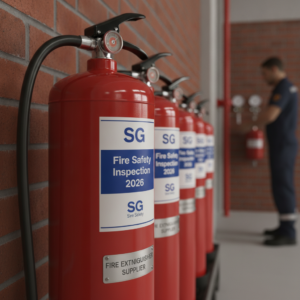
Non-compliance can result in enforcement actions and fines, and more importantly, it increases the risk of injuries and property loss. Regular fire safety inspection reduces these risks by identifying faults early and confirming extinguishers are ready for use.
Types of extinguishers commonly used in Singapore
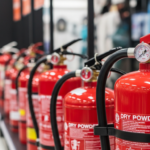
Different workplaces require different extinguisher types—water, foam, CO2, dry chemical and wet chemical are among common options. For businesses considering new purchases or replacements, learning the differences matters. If you need guidance on procurement for specific hazards, a reputable supplier can advise on suitability. For instance, those seeking a proven general-purpose option can learn about the dry powder fire extinguisher available in Singapore.
What happens during fire extinguisher servicing
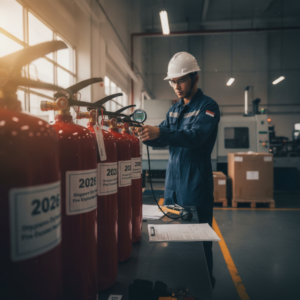
Servicing performed by an authorised fire safety company will normally cover:
- Visual and functional checks of the cylinder, valve, hose and nozzle;
- Gauge and pressure checks (where applicable) to confirm correct charge;
- Inspection of seals, tamper indicators and labels for legibility and currency;
- Replacement of expired or damaged parts (seals, hoses, clips) where needed;
- Recharging after use and re-labelling the service date;
- Record updates for compliance and regulatory audits.
If your operation integrates fire suppression with other systems, consider combined servicing—see options for fire alarm maintenance and protection system.
Practical fire safety inspection checklist (for on-site use)
Use this checklist during routine inspections. It’s designed for facility managers and safety officers to spot issues before formal servicing or audits:
- Location and accessibility
- Is the extinguisher mounted at the correct height and unobstructed?
-
Are signage and evacuation routes clear and visible?
-
Labeling and instructions
- Is the product label intact and legible with operating instructions in English or the workplace language?
-
Is the last service tag present with date and technician details?
-
Physical condition
- Any dents, corrosion or paint loss on the cylinder?
-
Are hoses and nozzles free from cracks or blockages?
-
Pressure and indicators
- Gauge in the green zone (where applicable)?
-
Tamper seals intact and pin present?
-
Weight and charge (spot check)
- Does the unit feel significantly underweight for its class?
-
Any signs of discharge or leakage?
-
Special considerations
- For kitchens: correct wet chemical types and mounting location.
- For server rooms: CO2 suitability and room ventilation protocols.
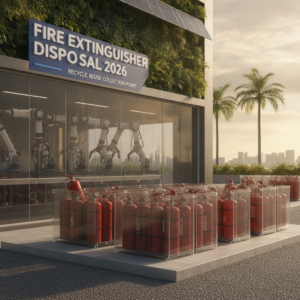
When an extinguisher fails any item on this checklist, remove it from service and arrange maintenance or replacement. For end-of-life appliances and safe removal, consult professional options for fire extinguisher disposal.
Common defects and recommended fixes
Some of the most frequent problems found during inspections include:
- Low pressure or discharged units: Recharge immediately and investigate cause.
- Corrosion or dents: Replace cylinder or the entire unit depending on severity.
- Broken hoses/nozzles: Replace with manufacturer-approved parts.
- Missing or illegible service tags: Re-label after a proper servicing visit.
- Expired or absent hydrostatic test records: Schedule testing with an accredited technician.
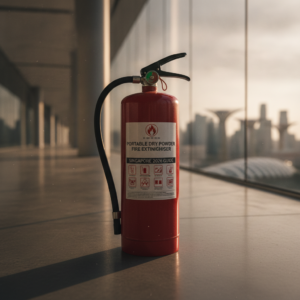
Quick remedial action minimises downtime and ensures continuous compliance. For businesses using portable equipment, consider standardising on reliable models—learn more about portable options through reputable suppliers of portable fire extinguisher.
Record keeping, tagging and audit readiness
Good documentation is as important as the physical inspection. Maintain a log that includes:
- Installation date, location and extinguisher type;
- Service history, including dates, performed works and technician details;
- Hydrostatic test dates and results; and
- Any incidents or discharges with corrective actions taken.
Many service providers now offer cloud-based portals that sync inspection results, photos and certificates directly to your account.
Penalties and enforcement — what to expect
If extinguishers are not maintained according to statutory requirements, building owners or persons-in-charge may face notices, fines or directives to rectify defects within a set timeframe. Promptly addressing inspection findings and keeping accurate records demonstrates responsibility and reduces the likelihood of penalties.
2026 trends: digital checks, IoT sensors and predictive maintenance
- Mobile inspection apps: Technicians now use apps to capture photos, checklist outcomes and service certificates on-site. This improves transparency and speeds up record retrieval.
- QR-code tagging: Each extinguisher can be tagged with a QR code linking to its service history, making spot checks quick for auditors and staff.
- IoT-enabled monitoring: Sensors can feed pressure and tamper information to a dashboard, alerting managers before a device becomes non-compliant.
- Predictive maintenance: Data analytics identify patterns (e.g., recurring pressure loss) enabling preemptive servicing and lower long-term costs.
These trends improve reliability and help businesses plan maintenance budgets more accurately. When exploring modern solutions, consider providers who can integrate extinguisher servicing with your broader safety systems and maintenance platform.
Choosing the right service provider in Singapore
Selecting a capable, trusted service partner is critical. Look for:
- Transparent service schedules, clear pricing and written compliance documentation;
- A track record of working with similar premises (F&B, industrial, office, retail);
- Digital record-keeping and certification capabilities;
- After-service support for emergency recharges and replacements.
Integrating extinguisher servicing into your safety program
A practical approach ties extinguisher checks to broader safety activities:
- Schedule monthly visual checks by on-site staff, with a standardised checklist;
- Arrange annual full servicing by a licensed contractor;
- Keep a centralised digital log for quick audit responses;
- Train staff annually on basic firefighting techniques and extinguisher selection;
- Review extinguisher types and placements when renovating or changing processes (for example, kitchen upgrades or new plant machinery).
For environmentally responsible life-cycle management, plan for disposal or recycling of condemned units through professional channels; find more guidance about fire extinguisher disposal.
Final notes and next steps
Regular checks, accurate records and working with capable service providers keep your premises safer and ensure you meet regulatory expectations. Embrace digital tools where possible—QR tagging, cloud service logs and predictive analytics—to improve reliability and reduce unplanned costs.
If you are upgrading equipment or reviewing your fire safety programme, consult experienced suppliers who can advise on suitable units—whether you need a standard portable fire extinguisher or specialised solutions—and coordinate comprehensive servicing that keeps your site audit-ready and protected.
Stay proactive: incorporate inspection routines into everyday operations, schedule annual servicing, and keep records at hand for fast response to audits and emergencies. Robust maintenance today prevents incidents tomorrow.


No comment yet, add your voice below!