

Introduction
Fire safety in Singapore demands more than just installing equipment — it requires ongoing care. This article explains why servicing matters, what to expect during inspections, current trends to watch, and practical steps for building managers and homeowners.
Why fire extinguisher servicing matters in Singapore
Singapore’s climate, dense urban environment, and strict regulatory landscape make proper maintenance essential. A neglected extinguisher may fail when needed, risking lives, property, and costly regulatory penalties. Key reasons to prioritise servicing:
- Reliability: Regular checks ensure extinguishers will operate effectively when activated.
- Insurance and liability: Insurers and auditors look for documented maintenance records during assessments.
- Longevity: Timely servicing prevents small issues (like leaks or corroded valves) from rendering units unusable.
For managers integrating portable extinguishers into a broader strategy, align maintenance of handheld units with broader system upkeep such as alarms and hydrants. See a recommended approach to combined maintenance and replacements at this resource on fire extinguisher servicing.
Understanding the Singapore fire protection system
A Singapore fire protection system is more than standalone extinguishers. It’s an ecosystem comprising fire detection and alarm systems, portable and fixed suppression equipment, emergency lighting, and evacuation planning. Coordinating maintenance across components is crucial: a functioning alarm but faulty extinguishers still leaves people at risk.
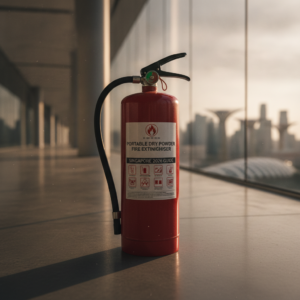
Regular integration checks (linking extinguisher readiness to alarm responses and evacuation procedures) help create a cohesive response. For practical essentials on handheld units and how they fit into the system, consult this guide to portable fire extinguisher essentials.
Recommended servicing schedule and legal requirements
Best practice in Singapore typically follows these intervals:
- Monthly: Quick visual checks by onsite staff — gauge status, tamper seals, obvious damage.
- Annual: Full service by trained technicians — pressure checks, nozzle and valve inspection, refills or agent replacement.
- Every 5–12 years: Hydrostatic testing or internal inspection as required by type and manufacturer.
- After use: Any discharged or partly used extinguisher should be serviced or replaced immediately.
Keep documentation for every inspection to demonstrate compliance during audits.
What happens during professional fire extinguisher servicing
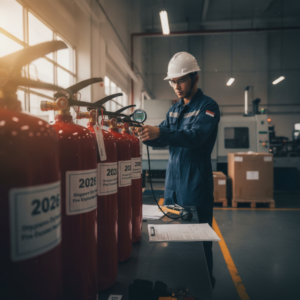
A professional service visit typically includes:
- Identification: Technicians verify model, location, and service history.
- Visual inspection: Check for corrosion, dents, clogged nozzles, intact safety pins and seals.
- Pressure verification: Confirm gauge readings are within manufacturer tolerances.
- Weight/agent level check: Ensure the extinguishing agent is at specified levels.
- Functional checks: Inspect discharge mechanisms and valves.
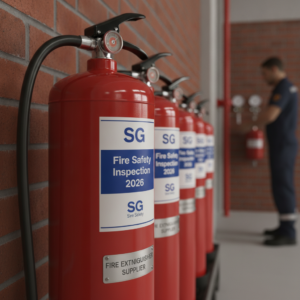
- Label and tag update: Service date, next due date, and technician details are recorded.
- Repairs or replacement: If unit fails tests, it will be repaired, recharged, or replaced.
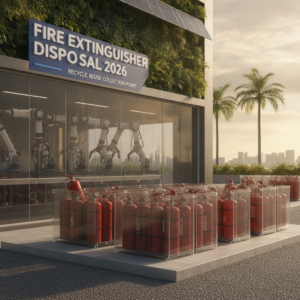
Always request a detailed service report and a clear service tag. If disposal is needed, follow proper steps to avoid environmental or legal issues — guidance is available on fire extinguisher disposal.
Common faults and signs an extinguisher needs attention
Frequent issues seen in the field include:
- Low pressure or flat gauge
- Corrosion on cylinder body or valve
- Damaged or missing safety pin and tamper seal
- Blocked discharge nozzle or hose deterioration
- Agent caking or clumping in chemical extinguishers
If any of these appear during a monthly check, tag the unit out of service and arrange professional servicing immediately.
Replacement, upgrades and buying TUV SUD PSB approved extinguishers
Not every failed extinguisher can be economically repaired. Consider replacement when:
- Costs of repair exceed replacement cost
- The model is obsolete or no longer supported by the manufacturer
- The extinguisher is past its hydrostatic test interval
When purchasing new units, buy TUV SUD PSB approved models to ensure compatibility with local regulations and performance expectations. Use official suppliers and verify approval documentation; for recommended procurement steps, see this page about buying a TUV SUD PSB approved fire extinguisher.
Choosing a qualified service provider
Selecting the right contractor makes a measurable difference in maintenance quality and compliance. Look for:
- Qualified technicians with certification and training records
- Transparent service schedules and itemised invoices
- Clear warranty and after-service support
- Good references from similar building types
- Digital record-keeping and tagging systems for audit trails
Avoid unlicensed providers.
Digital trends improving fire maintenance and compliance
Singapore’s fire safety sector is embracing digital tools that improve traceability and response:
- QR-coded tags: Scan to view service history and next due date instantly on-site.
- Cloud maintenance logs: Centralised records reduce paper loss and simplify audits.
- IoT-enabled pressure sensors: Some newer units provide remote monitoring of pressure and health data.
- Predictive maintenance: Data-driven schedules, prioritising units that show decline instead of rigid calendar intervals.
Pair these technologies with practical content such as fire alarm maintenance and extinguisher replacement strategies to support a modern, compliant Singapore fire protection system.
Practical checklist for building managers and homeowners
Monthly checklist:
- Conduct a visual walk-through of all extinguisher locations
- Confirm gauges show green and seals/pins intact
- Verify signage and unobstructed access
- Log findings with date, inspector name, and photos
Annual/professional checklist:
- Schedule licensed servicing and hydrostatic tests where required
- Review inventory and replace units beyond serviceable life
- Maintain a digital record for every serviced or replaced unit
For residents planning disposal or replacement at home, follow official disposal steps to manage empty cylinders safely: see fire extinguisher disposal steps for Singapore residents.
Final notes on keeping your system ready
Consistent fire extinguisher servicing is an investment in safety, compliance, and resilience. Align portable extinguisher maintenance with your broader Singapore fire protection system strategy, adopt digital tools where feasible, and use recognised suppliers for replacements.
Regular servicing protects people, assets and reputation — make it a documented, scheduled part of your safety programme.


No comment yet, add your voice below!