

Why an SCDF-approved fire extinguisher matters in Singapore
In Singapore, fire safety is tightly regulated and for good reason: dense urban living and mixed-use buildings increase risk. An SCDF-approved fire extinguisher isn’t just a purchase — it’s a compliance decision and a first line of defence that can reduce damage, injuries and insurance headaches. Whether you’re a homeowner, landlord, or facilities manager, understanding what makes an extinguisher SCDF-compliant helps you choose the right unit and stay on the right side of regulations.
What the term “SCDF fire extinguisher” means
When people search for an “SCDF fire extinguisher,” they want equipment that meets the Singapore Civil Defence Force’s approval standards. SCDF approval typically covers type, capacity, labeling, and performance. Buying an SCDF-approved unit ensures that the extinguisher has been tested to local expectations for effectiveness and can be used in official audits and inspections.
For a clear breakdown of legal and practical requirements, see this SCDF fire extinguisher requirements guide: SCDF fire extinguisher requirements.
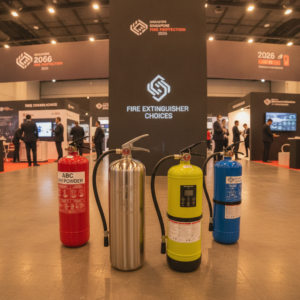
Types of fire extinguishers common in Singapore
Understanding extinguisher types is the first step to choosing the right device for each hazard:
- Water (Class A): For ordinary combustibles such as paper and wood. Not suitable for electrical or flammable liquid fires.
- Dry Chemical Powder (ABC/BC): Versatile and common in homes and offices. Suitable for classes A, B and C fires depending on rating.
- CO2 (Carbon Dioxide): Ideal for electrical fires and flammable liquids; leaves no residue.
- Wet Chemical: Specifically designed for Class F (cooking oil) fires, essential in kitchens.
Different environments in Singapore — HDB kitchens, commercial kitchens, server rooms, or vehicle workshops — require different extinguisher types and capacities.
Choosing the right SCDF-approved fire extinguisher for your space
Select based on risk, size of the area, and accessibility:
- Homes and small offices: A 1 kg or 2 kg ABC dry powder extinguisher is often sufficient, plus a 2–3 kg CO2 in rooms with electronics.
- Residential kitchens: A wet chemical extinguisher for Class F fires protects against cooking oil fires.
- Commercial buildings and factories: Larger-capacity extinguishers and fixed systems may be required.
Make sure the extinguisher’s rating and type match the identified hazards. If unsure, consult a certified fire safety provider and reference SCDF guidance.
Where to buy SCDF approved fire extinguisher units in Singapore
Buying locally gives you access to SCDF-compliant models, calibration services, and servicing support. Reputable vendors provide clear labeling, certification documents, and installation guidance. For purchasing and replacement options that include on-site safety inspections, consider this resource on fast fire extinguisher replacement and safety inspection: fast fire extinguisher replacement.
When buying, request proof of SCDF approval or compliance documentation. Avoid grey-market imports that lack local certification — they may fail during inspections or perform poorly when needed most.
Installation and positioning best practices
Correct placement makes a lifesaving difference. Key points:
- Mount extinguishers where they’re easily reachable — typically no higher than 1.5 m from the floor for the carrying handle.
- Place extinguishers along escape routes and within short travel distances from potential fire sources.
- In kitchens and workshops, position units outside immediate hazard zones to ensure they’re accessible if a fire blocks an area.
Follow local guidelines and the manufacturer’s instructions. For inspection-ready setup and servicing, consult this guide on fire protection and extinguisher servicing: extinguisher servicing.
Servicing, inspection and maintenance schedules
Regular maintenance keeps a fire extinguisher ready to operate. Typical practices in Singapore include:
- Monthly visual checks: Ensure pressure gauge is in range, seals intact, no obvious damage or corrosion.
- Annual servicing: Professional inspection, internal checks, and pressure verification.
- Hydrostatic testing: Depending on type, internal tests may be required every few years.
Maintain records and service tags; SCDF inspections will look for proof of regular servicing. For inspection tips and to prepare for audits, see: SCDF fire safety inspection tips.
Replacement and safe disposal
Extinguishers that fail tests, are past their service life, or have spent extinguishing a fire must be replaced or professionally refurbished. Avoid DIY disposal: certain agents, especially dry powder, require specialist handling and recycling.
For step-by-step disposal guidelines specific to common extinguisher types in Singapore, refer to the dry powder disposal resource: dry powder disposal guide.
Compliance checklist before purchase
Before you buy, confirm the following to ensure your extinguisher is SCDF-appropriate and fit for purpose:
- Approved certification or documentation for Singapore use.
- Correct fire class rating for the intended hazard.
- Proper size/capacity for travel distance and floor area.
- Service and warranty terms; availability of local servicing.
- Installation accessories (bracket, signage) and orientation instructions.
If you manage multiple units, implement a tracking system with clear service dates and responsible personnel.
Cost considerations and lifecycle value
Upfront cost is only part of the equation. Consider long-term value:
- Purchase price vs. serviceable lifespan.
- Availability of spare parts and refills locally.
- Annual servicing costs and compliance inspection fees.
- The potential cost savings from reduced property damage and lower insurance premiums when using approved equipment.
Choosing an SCDF-approved fire extinguisher from a reputable supplier ensures predictable lifecycle costs and smoother compliance.
New trends in fire safety for 2025
In 2025, Singapore sees increasing integration between fire protection and smart building systems. Trends include:
- Digital inspection logs to replace paper tags, improving audit readiness.
- IoT-enabled pressure and tamper sensors for real-time monitoring of extinguisher readiness.
- Environment-specific extinguisher designs (e.g., low-residue agents for high-tech environments).
Suppliers and service partners are adapting; ask about digital inspection options and connected maintenance plans when purchasing.
Common mistakes to avoid
Avoid these pitfalls that reduce readiness and regulatory compliance:
- Buying based on price alone without checking SCDF compliance.
- Incorrect extinguisher type for the hazard (e.g., using water near electrical equipment).
- Skipping scheduled professional servicing.
- Storing extinguishers in inaccessible places or where they can be accidentally blocked.
A small investment in the right unit and maintenance prevents much larger losses.
Final considerations and local support
Selecting and maintaining an SCDF-approved fire extinguisher in Singapore involves understanding hazards, buying certified equipment, and committing to regular servicing. For actionable support on requirements and compliance, review the official SCDF guidance and consult certified vendors who provide installation and inspection services. Detailed SCDF-specific requirements can be reviewed here: SCDF fire extinguisher requirements.
If you need information on replacement timelines or want to make sure your extinguishers meet inspection standards, resources on replacement and servicing are available: fast fire extinguisher replacement and extinguisher servicing.
Taking these steps ensures your fire extinguisher is effective, SCDF-recognised and ready to protect lives and property in Singapore’s urban environment. Follow disposal protocols for used units to stay safe and compliant: dry powder disposal guide.


No comment yet, add your voice below!