

Why this guide matters for Singapore property owners
Fire safety in Singapore is non-negotiable. This guide breaks down what owners, facility managers, and engineers need to know for 2025 — from legal requirements to smart maintenance strategies and the latest technology trends.
What comprises a modern Singapore fire protection system?
A singapore fire protection system is no longer just sprinklers and extinguishers. It’s an integrated arrangement of passive and active measures working together:
- Passive protection: fire-rated walls, compartmentation, smoke control shafts, and escape routes.
- Active protection: sprinklers, hydrants, fire pumps, smoke detectors, and fire alarm panels.
- Portable equipment: TUV SUD PSB approved extinguishers placed according to usage and occupancy.
- Detection & notification: multi-sensor detectors, voice alarm systems, and notification devices linked to monitoring stations.
- Management systems: building fire command center interfaces, BMS (Building Management System) integration, and cloud-based monitoring.
Combining these layers creates redundancy — crucial when seconds count.
Legal landscape and compliance in Singapore (2025)
Key points to remember:
- Regular inspections and maintenance are mandated for many components of a fire protection system. Failure to comply can lead to fines, closure notices, or worse.
- Certified technicians must conduct certain inspections and servicing, particularly for hydrants, pumps, and alarm systems.
- Records of maintenance, tests, and corrective actions should be retained for audits and insurance purposes.
Staying ahead of regulatory updates is critical. Many building owners are adopting digital logs and automated alerts to demonstrate compliance and streamline audits.
Fire alarm maintenance: fundamentals and frequency
Fire alarm maintenance is the backbone of early detection. A well-maintained system reduces false alarms and ensures reliable alerts. Core elements include:
- Periodic inspection: visual checks of control panels, batteries, wiring, and sensors.
- Functional testing: initiating detectors and ensuring the alarm, strobes, and voice evacuation systems operate correctly.
- Battery testing and replacement: backup power must be verified under load conditions.
- Detector cleaning and sensitivity checks: dust, humidity, and paint can reduce detector sensitivity.
- Software and firmware updates: for addressable systems, updates can resolve stability and interoperability issues.
Many organizations follow a monthly/quarterly/annual schedule for different tasks. For actionable guidance on contracted services and practical steps, consider fire alarm maintenance offerings tailored to Singapore properties.
Best practices for maintenance teams
Adopting a structured maintenance program increases reliability and reduces lifecycle costs. Best practices include:
- Implement predictive and condition-based maintenance where possible — especially for pumps, batteries, and networked detectors.
- Keep a centralized digital log for all tests, incidents, and corrective actions.
- Train in-house staff in basic inspections and emergency response; outsource specialized tasks to accredited vendors.
- Schedule maintenance during low-occupancy windows to minimize disruption, but ensure temporary measures for detection remain in place.
Emerging trends: IoT, predictive analytics, and remote monitoring
2025 brings more intelligent fire safety systems to Singapore buildings:
- IoT-enabled detectors: provide real-time status, environmental data, and predictive alerts to maintenance teams.
- Predictive maintenance: machine learning analyses device telemetry (battery health, signal strength, alarm event patterns) to forecast failures.
- Cloud-linked alarm management: remote dashboards enable central monitoring of multiple sites and faster incident response.
- Integration with smart building systems: fire systems can coordinate HVAC shutdowns, unlock exit doors, and control lifts for evacuation.
These technologies reduce false alarms, improve response times, and help building owners demonstrate continuous compliance.
Portable fire extinguisher considerations and lifecycle
Portable extinguishers are a first line of defence. Proper servicing and end-of-life handling must not be overlooked:
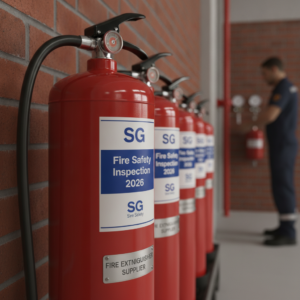
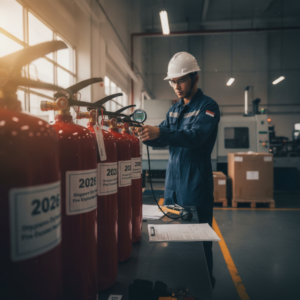
- Regular servicing is required to ensure pressurization, nozzle condition, and extinguisher weight are within spec.
- Different classes of extinguishers (A, B, C, Electrical, F) should be deployed according to occupancy needs.
- For practical guidance on servicing schedules and compliance in Singapore, see resources on fire extinguisher servicing.
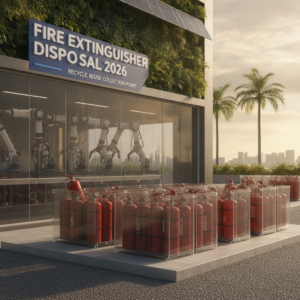
- When units expire or are unsuitable, follow approved disposal channels. Detailed steps for responsible disposal are available at fire extinguisher disposal steps.
- If replacing or scaling up coverage, review options to buy TUV SUD PSB approved fire extinguisher to ensure regulatory acceptance and warranty support.
Minimizing false alarms without compromising safety
False alarms waste emergency resources and can lead to complacency. These approaches strike the right balance:
- Use multi-criteria detectors (smoke + heat + CO) in areas prone to nuisance triggers.
- Implement zoning and pre-alarm notification where appropriate, giving facility managers time to verify before automatic escalation.
- Maintain housekeeping: dust, steam, and aerosols are common culprits behind false activations.
- Ensure installers correctly place detectors away from kitchens, HVAC intakes, and dusty zones or select detectors designed for those environments.
Selecting vendors and contractors in Singapore
Choosing the right contractor affects both compliance and long-term system performance. Look for:
- Transparent maintenance contracts with defined service intervals, response times, and escalation procedures.
- Digital reporting capabilities so you can produce audit-ready records on demand.
- Waivers and insurances that protect building owners during works.
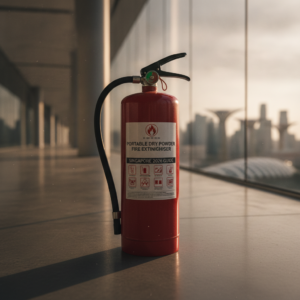
Providers that combine field service with modern monitoring tools can offer a single-pane-of-glass view of your entire portfolio. For portable extinguisher supply and maintenance options that align with local regulations, consult portable fire extinguisher essentials.
Practical maintenance checklist for facility managers (quick reference)
- Confirm all detectors are online and show nominal status on the panel dashboard.
- Test alarm sounders and voice evacuation systems quarterly.
- Inspect fire doors, signage, and emergency lighting monthly.
- Replace batteries as recommended and test battery backups under load.
- Service portable extinguishers annually; perform hydrostatic tests per expiry intervals.
- Archive all maintenance records and incident reports in an accessible, searchable system.
Cost considerations and ROI of proactive maintenance
Many building owners treat fire safety as a cost center, but proactive maintenance offers measurable returns:
- Reduced downtime from fewer system failures and false alarms.
- Lower insurance premiums when insurers see mature maintenance programs and demonstrable compliance.
- Avoidance of fines and operational disruptions from non-compliance.
- Extended equipment life and predictable replacement budgeting through condition-based maintenance.
Budgeting for a smart maintenance approach that includes occasional hardware upgrades (e.g., networked detectors) is increasingly cost-effective due to reduced manpower and faster troubleshooting.
Real-world scenarios and lessons learned
- Mixed-use developments: Coordination across retail, residential, and F&B tenants is essential. Shared spaces often need harmonized detector strategies to prevent nuisance alarms from kitchens.
- Heritage properties: Retrofitting modern detection without harming fabric requires careful sensor placement and wireless solutions to minimize cabling.
- New developments: Integrating fire systems with BMS from the start saves long-term integration headaches and supports advanced evacuation strategies.
Final checklist before signing a maintenance contract
- Confirm key performance indicators: response time, resolution times, and reporting cadence.
- Ensure all service activities are logged digitally and available for audits.
- Clarify scope: which items fall under routine maintenance, which are billable upgrades or replacements.
A robust singapore fire protection system combined with disciplined fire alarm maintenance safeguards lives, assets, and reputations. Embrace modern tools, maintain rigorous schedules, and partner with certified providers to keep systems dependable and compliant in 2025 and beyond. For practical help on equipment and servicing tailored to local conditions, consult specialist pages on extinguisher servicing, disposal, and approved purchases to ensure your property’s defenses are current and effective.
fire extinguisher servicing | fire alarm maintenance | fire extinguisher disposal steps | portable fire extinguisher essentials | buy TUV SUD PSB approved fire extinguisher


No comment yet, add your voice below!