

Singapore faces unique fire safety challenges — dense urban housing, HDB and commercial developments, and a hot humid climate that affects equipment lifespan. This guide explains what a scdf fire extinguisher means for property owners and facility managers, how it fits into a modern singapore fire protection system, and practical steps to stay compliant and safe.
What is an SCDF fire extinguisher and why it matters
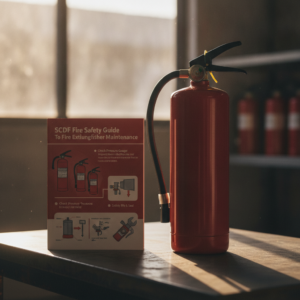
An “SCDF fire extinguisher” refers to portable fire extinguishers that meet requirements or recommendations set by the Singapore Civil Defence Force (SCDF). These are frontline tools designed to tackle early-stage fires before they escalate. While SCDF does not brand one extinguisher model, it provides regulatory guidance on types, placement and maintenance that property owners must follow.
Using the correct extinguisher reduces property damage and prevents injuries. For example, attempting to use a water extinguisher on an electrical or grease fire can make matters worse. Understanding SCDF guidance helps you choose, deploy and maintain extinguishers that actually protect people and assets.
Types of extinguishers and matching them to fire classes
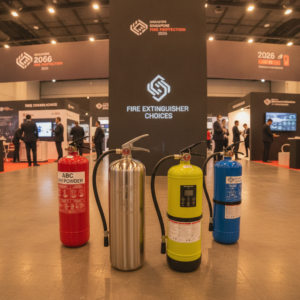
Fire classification in Singapore follows common international practice: Class A (solids), Class B (flammable liquids), Class C (flammable gases), and electrical fires. Extinguisher types commonly used in Singapore include:
- Water (stored pressure) — best for Class A fires only.
- CO2 — good for electrical fires and some Class B incidents; leaves little residue.
- Dry powder (ABC) — multipurpose and popular for mixed-risk areas. Learn more about the dry powder fire extinguisher and its applications dry powder fire extinguisher.
- Foam — effective for Class A and B liquid fires; useful in kitchens and fuel storage.
- Wet chemical — specifically designed for cooking oil and fat fires (deep-fryer incidents).
Selecting the correct type for the hazard is the first step in an effective singapore fire protection system plan.
SCDF requirements and compliance basics
SCDF regulations and the Fire Code set expectations for life safety systems, including portable extinguishers. While requirements can vary by building use and size, common elements are:
- Minimum extinguisher coverage per floor area and travel distance to an extinguisher.
- Approved extinguisher types for specific hazards (kitchens, server rooms, workshops).
- Clear signage and unobstructed access to extinguishers.
- A maintenance schedule performed by trained personnel or licensed contractors.
Property owners should keep documentation of extinguisher types, placement drawings and service records as evidence of compliance during inspections.
Placement, mounting and labeling best practices
Correct placement is as important as the extinguisher itself. Follow these practical rules:
- Mount extinguishers where they are visible and accessible — usually near exits or escape routes.
- Keep the top of small extinguishers no higher than 1.5 m from the floor; heavier units should be lower.
- Post clear signs where visibility is limited and keep the area free of obstructions.
- Label each unit with type, rating, installation date and the next service date.
These actions ensure staff and visitors can locate and use extinguishers during an emergency.
Maintenance, service intervals and safe disposal
Routine maintenance is mandatory to ensure an extinguisher will work when needed. Typical practices include weekly visual checks and more thorough maintenance by a qualified technician every 6 or 12 months, depending on the type.
A certified contractor will perform inspections, pressure checks, hydrostatic tests, recharge and part replacement. When an extinguisher reaches the end of its service life or has been discharged, follow proper disposal and replacement procedures described in local guidance on fire extinguisher maintenance and disposal.
Inspection checklist for building managers
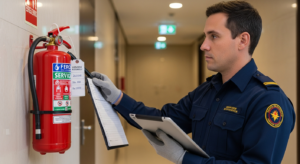
A simple inspection checklist keeps you audit-ready:
- Is the extinguisher visible and unobstructed?
- Is the pressure gauge in range?
- Is the unit free of corrosion, dents and leaks?
- Is the tamper seal intact and the pin secured?
- Is signage clear and within recommended viewing distances?
For a more detailed inspector’s guide tailored to Singapore properties, consult the fire protection systems inspection checklist.
Integrating extinguishers into your Singapore fire protection system
Portable extinguishers are one layer in a multi-tiered singapore fire protection system that also includes detection, suppression (sprinklers), compartmentation and emergency lighting. A coordinated plan ensures each component supports the others. For instance, activation of a smoke alarm should prompt staff to evacuate and a designated responder to retrieve the nearest extinguisher where safe.
Detailed guidance on how portable extinguishers mesh with broader systems is available in resources on Singapore fire protection system and SCDF fire extinguishers.
Choosing a supplier and working with accredited contractors
When purchasing or servicing extinguishers, use reputable suppliers who understand SCDF requirements. Verify that contractors are trained and provide proper certification and service records. A useful resource is the Singapore fire safety company fire extinguisher guide, which outlines what to expect from professional providers.
Choose suppliers who offer:
- Clear product specifications and conformity to standards.
- Scheduled maintenance plans with reminders.
- Rapid replacement or recharge services after a discharge.
- Transparent pricing and documented service histories.
Special considerations for commercial kitchens and data centres
Commercial kitchens require wet chemical extinguishers for deep-fat frying hazards and appropriate hood suppression systems. Data centres and server rooms prioritize non-conductive agents like CO2 or clean agent systems to protect electronics while suppressing fires.
A site-specific risk assessment determines extinguisher placement and agent selection. Pair portable units with fixed suppression systems where high-value assets are present.
Common mistakes to avoid
- Wrong extinguisher type for the hazard (e.g., using water on an electrical or grease fire).
- Poor visibility and blocked access.
- Neglected maintenance and expired units.
- Lack of staff training or drills so people don’t know how to use extinguishers safely.
Address these issues through regular audits, training and a documented maintenance contract.
Training and drills: making extinguishers effective
An extinguisher is effective only when users know how to operate it safely. Implement a training program for staff that covers:
- The PASS technique (Pull, Aim, Squeeze, Sweep).
- When not to fight a fire and safe evacuation practices.
- How to perform a basic visual inspection and report issues.
Regular drills build muscle memory and reveal placement or signage problems before an incident.
Lifecycle planning: replace, recharge or retrofit
Track extinguisher ages and service history to decide when to recharge, hydrotest or replace. Manufacturers’ guidelines and SCDF-recommended intervals give clear timelines. For older buildings undergoing retrofits, review extinguisher capacity and distribution as part of the renovation scope.
Quick reference checklist for compliance
- Confirm extinguisher types match identified risks.
- Ensure correct quantity and placement per floor plans.
- Keep visible signage and unobstructed access.
- Maintain records of inspections, servicing and staff training.
- Engage accredited suppliers and follow disposal protocols found in the fire extinguisher maintenance and disposal guidance.
Portable extinguishers remain a critical component of any singapore fire protection system — when properly selected, placed, and maintained they significantly reduce risk. For detailed product choices and contractor support, consult professional providers and published inspection checklists to ensure your property meets SCDF expectations and keeps occupants safe.
For deeper technical reading, tips on dry powder use, or to arrange professional inspection and servicing, review supplier resources and maintain up-to-date records as part of your fire safety plan.


No comment yet, add your voice below!