

Why timely fire extinguisher replacement matters in 2026
In Singapore, the consequences of an ineffective fire extinguisher go beyond property damage — they threaten lives and can lead to regulatory penalties. As we move through 2026, businesses and households are expected to be more proactive about compliance, sustainability and digital monitoring. This article explains when to replace SCDF fire extinguishers, how to choose SCDF-approved suppliers, safe disposal and practical maintenance strategies tailored to the Singapore context.
Understanding SCDF expectations and safety principles
The Singapore Civil Defence Force (SCDF) expects portable fire-fighting equipment to be maintained and ready for use. While the SCDF sets performance and approval standards, replacement triggers are usually driven by inspection results, manufacturer guidance and visible damage:
- Expired or missing service tags and inspection records
- Corrosion, dents, cracked hoses, or damaged pressure gauges
- Extinguisher discharged or partially discharged
- Failed pressure or leak tests
- Changes in building usage or hazard type requiring a different extinguisher class
For commercial sites, ensure your asset register ties extinguisher locations to inspection dates and responsible personnel. For a practical maintenance reference and organized checklist aligned to SCDF practices, see this fire safety checklist for alarm and equipment maintenance.
When to replace vs when to repair
Not every fault requires full replacement. Distinguish between repairable issues and those requiring a new unit:
- Repairable: minor nozzle or hose damage, gauge replacement, top assembly maintenance performed by a certified technician.
- Replace: structural cylinder damage, severe corrosion, evidence of past over-pressurisation, or if the extinguisher has been used and cannot be re-certified.
If in doubt, engage an SCDF-approved supplier to assess whether hydrostatic testing, recharging or full replacement is required. For help locating certified suppliers in Singapore, consult a vetted supplier guide.
Types of extinguishers and replacement considerations
Selecting the right replacement depends on the fire risks in the area:
- Water (Class A) — good for ordinary combustibles but not electrical or grease fires.
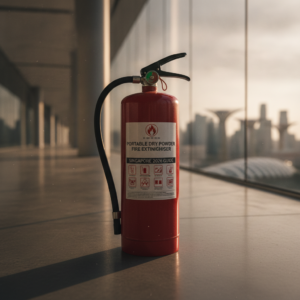
- Dry chemical (ABC or BC) — versatile for A/B/C risks; common in offices and kitchens. Disposal of dry powder requires careful handling to avoid environmental contamination; refer to safe disposal guidance specific to Singapore.
- CO2 — effective on electrical and liquid fires; consider ventilation and cylinder condition.
- Wet chemical — designed for kitchen grease fires (Class F); crucial in F&B environments.
- Clean agents and water mist — newer options offering lower environmental impact and reduced cleanup.
Match the replacement unit class to the risk. Trends in 2026 include wider adoption of eco-friendlier agents and compact water-mist systems for heritage buildings where aesthetics and minimal water damage matter.
Legal compliance, certification and documentation
Always insist on SCDF-approved products and certified service technicians. Proper documentation is not optional — service tags, calibration/test records and invoices prove compliance during inspections. Replacement must be recorded in your fire asset register with date, reason and supplier details. For authoritative lists of approved providers, consult resources that highlight SCDF-approved fire extinguisher suppliers.
The replacement process: step-by-step for Singapore properties
- Audit: Use your maintenance log to identify extinguishers due for service or replacement. Link extinguisher locations to building floor plans.
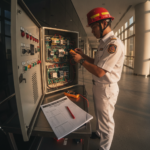
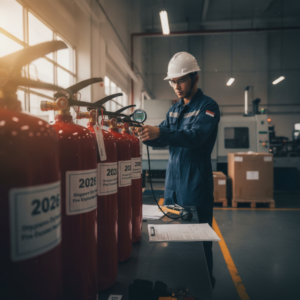
- Inspect: A certified technician should perform a physical and pressure inspection and advise on repair vs replacement.
- Quote: Obtain a clear quote that includes removal, replacement, tagging and disposal of the old unit.
- Replace/Install: Certified installers should mount extinguishers at SCDF-recommended heights and provide visible service tags.
- Record: Update the asset register and service schedule. Consider QR tags that link to inspection history — an increasingly common trend in 2026.
If you prefer to buy direct or compare supplier options, a consolidated buying guide for Singapore suppliers can speed decisions and ensure product approval.
Costs and budgeting (practical ranges)
Replacement costs vary by type, capacity and brand. Expect approximate ranges (inclusive of installation but excluding optional monitoring):
- Small water or ABC extinguisher: SGD 60–150
- Mid-size ABC/BC unit: SGD 150–350
- CO2 and wet chemical units: SGD 200–600
- Larger specialist units and systems: higher, depending on agent and mounting
Factor in additional costs for disposal, tagging, and optional digital monitoring. Plan annual budgets for routine servicing and a reserve for unplanned replacements after incidents.
Safe disposal and environmental best practices
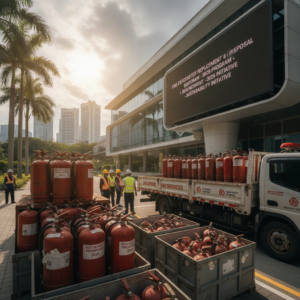
Old extinguishers, especially dry powder units, require proper disposal to prevent environmental harm. In 2026 Singapore has clearer guidance around recycling and safe handling; always rely on certified suppliers who follow disposal protocols and can provide documentation. For specific dry powder disposal steps and restrictions, consult a disposal guide tailored to Singapore.
Choosing a supplier: what to check
Pick suppliers with these attributes:
- SCDF approvals and visible credentials
- On-site service technicians with certifications
- Clear warranty and inspection documentation
- Transparent pricing (including disposal/recycling)
- Ability to supply appropriate classes and sizes, plus advice on suitability
Avoid suppliers who cannot provide certification or who offer repairs without testing. For a shortlist of reputable suppliers, refer to a verified supplier directory that compares options for 2026.
Integrating digital monitoring and modern trends
The adoption of IoT-enabled fire safety assets has accelerated. Smart tags, pressure sensors that send alerts, and QR-coded service histories are becoming standard in modern building management systems. Benefits include automatic reminders for servicing, a digital audit trail for inspectors, and real-time status monitoring for high-risk sites.
When budgeting for replacement, consider whether to upgrade to digitally enabled units — the marginal cost is often justified by reduced risk and administrative overhead.
Common mistakes to avoid
- Delaying replacement after a failed inspection
- Using the wrong extinguisher class for a new or changed hazard
- Relying on unverified service providers without proper certifications
- Neglecting disposal documentation and environmental compliance
- Ignoring digital tracking options that simplify compliance
Post-replacement maintenance checklist
- Confirm new service tag and expiry/next-service date
- Update your asset register and floor plan
- Train staff on correct extinguisher use and location
- Schedule annual inspections and ad-hoc checks after building works
- If installed, register and test digital monitoring systems
For a full maintenance protocol aligned with SCDF best practices, review a detailed maintenance guide that outlines routine inspection intervals and record-keeping expectations.
Final practical advice for Singapore property owners and managers in 2026
Replacement is not just about buying a new cylinder — it’s an opportunity to upgrade your fire-safety posture. Prioritise SCDF-approved units, work with certified technicians, keep records up to date, and adopt disposal and digital-tracking best practices. Use supplier comparison resources and disposal guides to keep costs reasonable and compliance straightforward.
References and helpful resources (internal quick links):
- More on inspection and maintenance checklists: SCDF fire safety checklist for maintenance
- Dry powder disposal specifics and tips: Dry powder disposal guidance
- Find approved suppliers: SCDF-approved suppliers guide
- Detailed maintenance guidance: Fire extinguisher maintenance guide
- Buying and comparing extinguishers in Singapore: Buy extinguishers supplier guide
Taking a proactive, documented approach to SCDF fire extinguisher replacement will reduce risk, ensure compliance and keep occupants safer while reflecting best practices and technology trends in 2026.

No comment yet, add your voice below!