

Why choosing the right SCDF fire extinguisher supplier matters in 2026
Singapore’s fire safety landscape continues to evolve. The Singapore Civil Defence Force (SCDF) keeps updating guidance and enforcement to reflect new building technologies, sustainable firefighting agents and smarter maintenance practices. For businesses and homeowners, selecting a reputable SCDF fire extinguisher supplier is not just about buying equipment — it’s about ensuring compliance, fast service, and long-term safety.
This guide explains what to look for in a supplier, the extinguisher types to consider, the latest trends for 2026, and a practical checklist to pick the best partner in Singapore.
Understanding SCDF fire extinguisher requirements and compliance
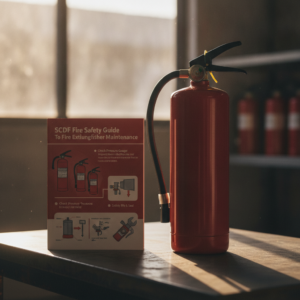
SCDF requires fire extinguishers to meet specific standards for type, size, location and maintenance. Suppliers must provide equipment that complies with local regulations and international approvals. For a deeper explanation of how system-level protections are evolving and how they interact with portable units, see this overview of the SCDF fire protection system.
Key compliance elements to verify with any prospective fire extinguisher supplier:
- Certification and test standards (e.g., AS, EN or ISO where applicable).
- SCDF-recognised agent types and application guidance.
- Clear documentation for installation, servicing and records.
- Trained technicians who can certify maintenance according to SCDF schedules.
A trustworthy supplier will proactively explain these requirements and supply the required paperwork for audits and insurance.
Types of extinguishers: what suppliers should offer
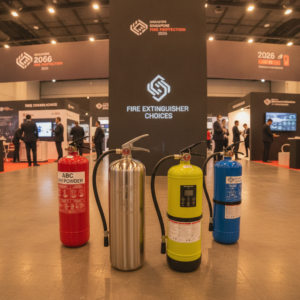
A full-service fire extinguisher supplier in Singapore should stock and advise on every common SCDF-recommended type: water, foam, CO2, dry powder (ABC/BC), and specialised clean agents for electronics and server rooms.
- Dry powder fire extinguishers are versatile for A, B and C class fires and remain in wide use; learn more about their specifications and limitations in this dry powder fire extinguisher guide.
- CO2 extinguishers are preferred for electrical fires and equipment-heavy environments but require technicians aware of displacement risks in confined spaces.
- Water and foam types are common for Class A & B fires in industrial and kitchen-adjacent spaces.
- Clean agent options (e.g., FK-5-1-12 alternatives) are increasingly available for data centres with low-residue requirements.
An experienced supplier will match extinguisher type, size and placement to specific risk profiles rather than offering one-size-fits-all solutions.
How to evaluate a fire extinguisher supplier in Singapore
Choosing a fire extinguisher supplier should be methodical. Consider these evaluation criteria:
- Accreditation and experience: Track record in Singapore and formal certifications.
- Range of products: All extinguisher types, spares, signage and mounting hardware.
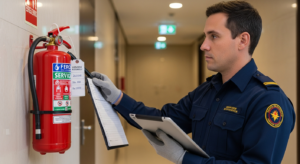
- Maintenance services: Scheduled checks, recharge, pressure testing and full-service logs.
- Disposal and replacement: Safe disposal practices and environmentally responsible options.
- Response time: Speed for emergency replacement and ad-hoc support.
For practical guidance on aftercare — maintenance, disposal and legal responsibilities — review this detailed fire extinguisher maintenance and disposal resource.
Service offerings that set top suppliers apart
A competitive SCDF fire extinguisher supplier in 2026 will offer more than just equipment. Look for:
- Digital service records and QR codes on each unit to show latest inspection dates and technician notes.
- Proactive maintenance plans with reminders and online portals for compliance reports.
- On-site risk surveys and layout planning to optimise extinguisher placement for SCDF inspections.
- Training for staff: hands-on extinguisher use demos and scenario training tailored to business operations.
- Eco-conscious choices: low-global-warming-potential (GWP) agents and recycling programs for spent units.
The trend towards connectivity and paperless compliance is growing — top suppliers integrate inspection data with building management systems.
Supplier business models: buy, lease, or managed service
Suppliers typically present three procurement models:
- Purchase: One-off acquisition, best for owners who have internal maintenance capabilities.
- Leasing: Fixed monthly fees including regular maintenance and replacements — useful for startups or seasonal businesses.
- Managed service: Full outsourcing of fire safety, from risk assessments to 24/7 emergency response and SCDF audit support.
A managed service often includes digital dashboards and guarantees for response times; for many commercial properties in Singapore, this offers the simplest route to consistent compliance.
Cost considerations and budgeting for 2026
Price varies by extinguisher type, certification and the level of service. Budget planning tips:
- Factor in the cost of annual maintenance and hydrostatic testing over the lifetime of the unit.
- Compare bundled service packages (installation + maintenance + replacement) to a la carte pricing.
- Ask about warranties and what constitutes voiding conditions (modification, improper storage, etc.).
- Consider lifecycle costs — eco-friendly agents or premium smart units may cost more upfront but reduce long-term disposal and insurance costs.
Singapore businesses can often negotiate bundled contracts that include documentation for SCDF inspections, which reduces administrative overhead.
Red flags to watch for when choosing a supplier
Avoid suppliers who:
- Cannot produce certification or references from SCDF-compliant projects.
- Offer unusually low prices without clear warranty or service commitments.
- Refuse to provide written maintenance schedules and inspection logs.
- Use generic or expired units; always verify manufacture and recharge dates.
A reliable supplier should be transparent about compliance and willing to demonstrate recent work or client testimonials.
Practical checklist: selecting the best SCDF fire extinguisher supplier
Use this step-by-step checklist during procurement:
- Confirm supplier certifications and SCDF awareness.
- Request sample maintenance logs and service reports.
- Verify product standards and agent types for your specific hazards.
- Compare purchase vs lease vs managed service pricing.
- Check emergency response times and replacement guarantees.
- Ensure clear disposal and recharge policies, including environmental practices.
- Secure written SCDF-compliant documentation for installations and audits.
- Arrange training for staff and request digital inspection tags if available.
If you prefer guided evaluation or a broader company-level perspective on fire safety procurement, consult the fire extinguisher supplier guide for supplier selection frameworks.
Emerging trends in 2026 that affect suppliers and buyers
- Digital inspection and IoT: Many suppliers now attach QR codes and integrate inspection logs with mobile apps, reducing paper audits and providing live compliance snapshots.
- Sustainable agents and disposal: Lower-GWP alternatives and responsible recycling are becoming standard talking points during procurement.
- Predictive maintenance: Sensor-enabled cabinets and pressure monitoring can flag issues before failures occur.
- Consolidation of services: Facilities management firms increasingly bundle fire safety with other compliance services, simplifying vendor management.
- Urban risk profiling: Suppliers offer data-driven placement plans using floor plans and usage patterns to reduce the number of units while improving coverage.
Understanding these trends helps buyers pick suppliers who are future-ready — especially important for commercial properties and multi-storey developments.
Final recommendations — selecting the right partner in Singapore
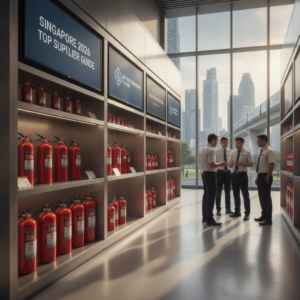
The best SCDF fire extinguisher supplier blends product quality, documented compliance and reliable service. Prioritise suppliers who:
- Demonstrate SCDF knowledge and provide compliant documentation.
- Offer full-service maintenance and digital inspection records.
- Maintain transparent pricing and lifecycle cost estimates.
- Provide training and quick-response replacement options.
- Support environmentally responsible disposal and modern agent options.
For a quick primer on extinguisher selection and to compare product types before contacting suppliers, the SCDF fire extinguisher guide is a helpful resource.
Choosing a reputable fire extinguisher supplier is a proactive investment in safety and regulatory peace of mind. With the right partner, Singapore businesses and homeowners can meet SCDF requirements confidently, reduce liability, and keep people and property protected under evolving 2026 standards.


No comment yet, add your voice below!