

Why this checklist matters for suppliers in Singapore
If you supply, install or service fire extinguishers in Singapore, meeting SCDF fire safety expectations is essential. Buyers — from HDB estates and F&B outlets to commercial towers — rely on suppliers to deliver compliant equipment, proper maintenance, and thorough records. This checklist helps fire extinguisher suppliers apply SCDF guidance, protect end users, and reduce liabilities while improving customer confidence.
Understand SCDF fire safety obligations and standards
- Know the regulations. SCDF enforces fire safety standards and codes of practice. Familiarise yourself with SCDF circulars, the Fire Code and guidance that relate to portable fire extinguishers and fire protection systems.
- Match extinguisher types to risks. SCDF expectations include correct classification and placement. A knowledgeable fire extinguisher supplier recommends water, foam, CO2, dry powder or wet chemical units based on hazard assessments.
- Keep up with updates. SCDF periodically issues updates and new guidance; staying current avoids non-compliance. See recent industry guidance on SCDF fire safety 2026.
HSE-first procurement and stocking
- Source certified equipment. Supply only SCDF-accepted brands or extinguishers with recognised certifications and clear manufacture/expiry data.
- Maintain a documented supplier list. Record manufacturer, model, batch numbers and certificates for every extinguisher delivered.
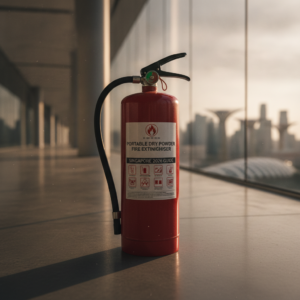
- Stock by demand and compatibility. Keep a balanced inventory of common types, including dry powder fire extinguisher models for mixed-risk sites and CO2 for electrical hazards.
Accurate site assessment and placement
- Conduct hazard surveys. A proper site visit determines the right extinguisher class, placement height and travel distance to a unit.
- Follow SCDF placement guidelines. Install extinguishers where clearly visible, accessible and within specified travel distances for building types.
- Customise signage and signage checklists. Provide clear signage and floor plans showing extinguisher locations to assist building managers and occupants.
Installation and commissioning checks
- Verify mounting and brackets. Ensure the correct wall bracket or cabinet is used and that units are secured to withstand daily use.
- Confirm correct labelling. Fire extinguishers must have legible labels showing agent type, rating, serial number and maintenance dates.
- Commission with a handover pack. Provide an equipment datasheet, manufacturer manual and a completed commissioning checklist signed by the supplier and client.
Routine inspection protocol (monthly and daily checks)
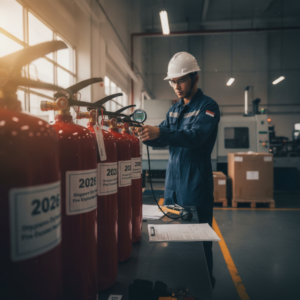
- Implement monthly visual inspections. Check gauges, seals, tamper indicators, pressure, hose/nozzle condition and external damage.
- Encourage simple daily checks by occupants. A brief visual confirm that units are present and unobstructed reduces response time in an incident.
- Use digital logs. Switch to QR tags or cloud logs to keep inspection records searchable and auditable — a modern best practice aligning with digital trends in SCDF fire safety.
Annual maintenance and qualified servicing
- Schedule accredited maintenance. Annual servicing by trained technicians is a core SCDF expectation; maintain proof of service reports and signatures.
- Follow manufacturer-recommended procedures. Servicing should include internal inspection, replacement of worn parts, pressure checks and agent top-up where allowed.
- Track service intervals. Use a centralised maintenance calendar and automated reminders so no unit misses its due service.
Testing, hydrostatic tests and end-of-life handling
- Know testing cycles. Different extinguisher types have specific testing and hydrostatic test intervals. Advise clients based on manufacturer and SCDF guidance.
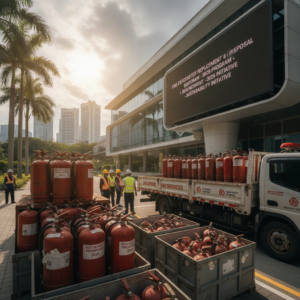
- Plan for safe disposal. Out-of-date or damaged extinguishers need safe decommissioning and responsible disposal. Refer clients to specialist services and guidelines on fire extinguisher maintenance and disposal.
Recordkeeping and compliance documentation
- Maintain complete records. Keep commissioning forms, inspection logs, service reports, test certificates and disposal records for statutory audit and client transparency.
- Provide digital certificates. Deliver service summaries and certificates as PDF attachments or via a client portal to streamline compliance checks.
- Support audits. When SCDF inspections occur, provide organised, chronological records to demonstrate due diligence.
Training and client education
- Offer practical user training. Teach building safety officers and staff basic extinguisher operation (PASS: Pull, Aim, Squeeze, Sweep) and limitations.
- Run scenario drills. Organise small-area drills to build confidence in locating and operating extinguishers, and engaging emergency services.
- Provide maintenance awareness. Educate end users on daily visual checks, blockage avoidance and the importance of reporting faults promptly.
Quality assurance for fire extinguisher suppliers
- Use competency frameworks. Certify technicians with competency assessments and periodic re-training to ensure consistent service quality.
- Adopt a supplier QA checklist. Each installation and service job should pass a QA checklist before handover, including label legibility and bracket security.
- Collect customer feedback. Post-service surveys help refine processes and document customer satisfaction for tendering and compliance.
Technology and modern trends in SCDF fire safety
- QR tagging and digital histories. QR tags linked to full maintenance histories speed inspections and impress auditors.
- IoT-enabled monitoring. Smart sensors and tamper alerts can report low pressure or movement, enabling proactive replacements.
- Electronic compliance dashboards. Consolidate multi-site extinguisher data into dashboards to manage assets and schedules centrally.
Commercial considerations and value-added services
- Offer flexible service contracts. Provide tiered maintenance plans — basic visual checks, full annual servicing, and premium plans with emergency call-outs.
- Bundled solutions. Package extinguisher supply with signage, training and digital records to offer complete SCDF fire safety compliance solutions.
- Transparent pricing. Publish typical costs for supply, installation and annual servicing so clients can budget for ongoing compliance.
Responding to incidents and post-incident procedures
- Immediate incident actions. Secure the scene, document the used extinguishers, and advise clients on replacement and replenishment timelines.
- Post-incident analysis. Provide an incident report with recommendations to prevent recurrence and to improve extinguisher placement or training.
- Fast replenishment. Maintain ready stock and expedited services to minimise downtime after an activation.
How to choose the right fire extinguisher supplier in Singapore
- Check credentials. Choose suppliers with proven SCDF knowledge, accredited technicians and transparent records.
- Review case studies. Good suppliers will show installations and maintenance histories across client segments.
- Ask about tech capabilities. Suppliers using QR tags, cloud records and IoT options can simplify long-term compliance.
- Compare service coverage. Ensure the supplier’s service area and emergency response times match your operational needs. For a curated selection of reputable providers, review the best SCDF fire extinguisher supplier options.
Practical supplier checklist (quick reference)
- Certified extinguisher models with clear labels
- Documented manufacturer specs and certificates
- Completed site hazard assessment and placement plan
- Proper mounting hardware and visible signage
- Commissioning pack and client handover documents
- Monthly inspection log and annual service schedule
- Hydrostatic and specialist testing records
- Digital records with QR or cloud access
- Staff training records and drill logs
- Disposal certificates for retired units
Final notes for suppliers and building managers
Adhering to SCDF fire safety guidance is both a legal and moral responsibility. For fire extinguisher suppliers, the combination of technical competence, rigorous recordkeeping, proactive maintenance and modern digital tools will meet SCDF expectations and give clients peace of mind. For further practical guidance on extinguisher selection and compliance, consult the SCDF fire extinguisher guide.
By following this checklist and adopting best practices, suppliers will not only improve safety outcomes across Singapore but also strengthen their business reputation and client relationships. Stay compliant, stay proactive and keep Singapore safer, one extinguisher at a time.



No comment yet, add your voice below!