

Introduction
Fire safety in Singapore relies heavily on correct selection, placement and maintenance of portable fire extinguishers. Whether you manage an HDB flat, commercial premises or an industrial site, understanding SCDF fire extinguisher requirements in 2025 keeps occupants safe and avoids non-compliance. This guide explains what Singapore property owners need to know about fire extinguisher types, servicing, replacement, disposal and record-keeping — with practical steps and recent trends to help you stay ahead.
Why SCDF compliance matters
SCDF requirements are designed to ensure firefighting equipment works reliably during an emergency. Non-compliant or poorly maintained fire extinguisher units can fail when needed, exposing lives and assets to greater risk and opening the door to enforcement actions. Beyond legal compliance, a properly maintained fire extinguisher program reduces downtime after incidents and strengthens overall workplace safety culture.
Types of fire extinguisher and common uses
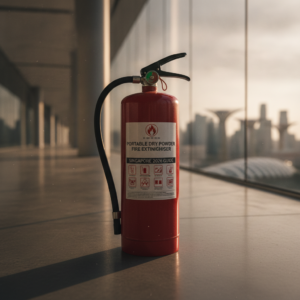
Understanding extinguisher classes helps you place the right unit where it will work best:
- ABC (dry chemical): Multipurpose and widely used for ordinary combustibles, flammable liquids and electrical fires. Common in offices and kitchens (for small grease fires when used with care).
- CO2 (carbon dioxide): Suitable for electrical fires and small liquid fires, leaves no residue — preferred for server rooms and electrical cupboards.
- Water/Water Mist: Effective for ordinary combustible fires (paper, wood). Not for electrical or oil fires.
- Foam: Good for flammable liquid fires (Class B) and often used where liquid spill hazards exist.
- Wet Chemical: Designed for kitchen (cooking oil and grease) fires; important for foodservice outlets.
- Clean agents (e.g., 3M™ Novec/FM200 alternatives): Used where sensitive equipment is present and residue-free suppression is important.
Choosing the right fire extinguisher type is one of the first steps to meet SCDF expectations for effective firefighting coverage.
Selecting the right unit for your premises
Selection should be risk-based. Consider fire loads, fuel types, occupancy and special hazards (server rooms, kitchens, laboratories). When choosing, check that units are certified and carry the correct labels and ratings for Singapore use. Portable fire extinguisher mounting, rating and model should align with the SCDF Fire Code and manufacturer guidance.
For businesses needing system replacements or upgrades, certified suppliers and licensed technicians can advise on right-sizing your coverage and provide compliant options such as modern clean-agent units or economy multipurpose extinguishers. For more details on portable choices, see this portable fire extinguisher resource: portable fire extinguisher.
Placement, accessibility and mounting
Placement affects how quickly a fire is controlled. Best practices include:
- Locate units near likely ignition sources (kitchens, electrical rooms, plant rooms) and at exits so they are accessible when evacuating.
- Do not obstruct extinguishers; keep them visible and near circulation routes.
- Install at a practical height so staff can reach and operate them easily.
- Provide signage and illumination for units in corridors and enclosed spaces.
Clear access and visible signage are often inspected by SCDF officers during audits.
Servicing, inspection and documentation
A robust servicing and inspection routine is central to SCDF compliance:
- Daily/weekly visual checks by staff: confirm pressure gauge in the green, safety pin and tamper seal intact, nozzle unobstructed and cylinder shows no visible damage.
- Monthly documented inspections help catch wear and minor issues early.
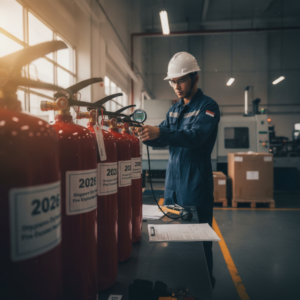
- Annual servicing by licensed technicians is strongly recommended; this typically includes function checks, component replacement as required, and recharging after use.
Recordkeeping is essential: keep service tags on each unit and maintain a digital or physical log that shows inspections, services, recharges and replacements. Many companies are adopting QR-coded tags to speed audits and link to digital service histories.
For commercial servicing and scheduled maintenance packages tailored to 2025 compliance expectations, see this servicing page: fire extinguisher servicing 2025.
When to recharge, replace or repair
After any discharge, even partial, an extinguisher needs to be recharged or replaced. Units that show physical damage, failed pressure tests, or corrosion should be retired. Work with licensed technicians who follow SCDF guidance for recharging and pressure testing.
If you require professional replacement or refill services, certified providers offer fast turnaround and compliant documentation. For safe and compliant refill or replacement services in Singapore, consult this resource: SCDF fire extinguisher replacement and refill.
Disposal and environmental considerations (2025 focus)
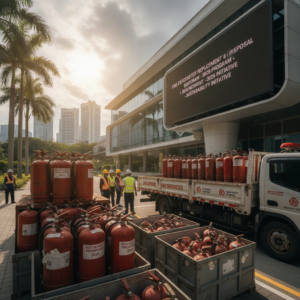
Disposal of fire extinguishers needs to follow environmental best practices. Some extinguishers contain agents that require specialist handling and recycling. Singapore’s 2025 focus includes eco-friendly recycling and proper disposal channels to avoid releasing harmful agents into the environment.
Licensed companies now often provide cradle-to-grave services — they remove old units, safely recover agents, and issue disposal certificates. For integrated disposal and alarm maintenance strategies aligned to current sustainability goals, see this action plan: disposal and maintenance action plan.
Emergency replacement and fast response options
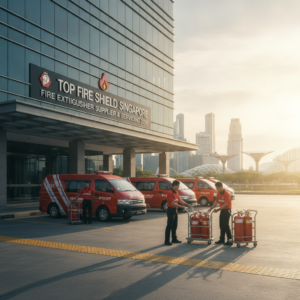
When an extinguisher is used or discovered non-compliant, rapid replacement is important to restore protection. Fast-response suppliers can perform emergency swaps, onsite recharging and issue service certificates to maintain compliance between scheduled services. For quick-response services and safety inspections, consider providers that advertise rapid turnaround: fast fire extinguisher replacement and safety inspection.
Records, labeling and proof of compliance
During SCDF inspections, officers look for visible service tags, up-to-date certificates and accessible inspection logs. Maintain:
- Service tags on each extinguisher with dates and technician initials.
- A central log (digital preferred) of all inspections, repairs, recharges and disposals.
- Manufacturer documentation and technical datasheets for each extinguisher model.
Using cloud-based maintenance management systems or QR linked records speeds audits and reduces the risk of missing scheduled services.
Common mistakes to avoid
- Leaving units obstructed or behind locked cabinets without emergency access.
- Ignoring small pressure loss or corrosion — these can grow into major failures.
- Assuming all extinguishers are multipurpose — mismatch between fire class and extinguisher type is a frequent cause of ineffective response.
- Using uncertified refillers or technicians without proper credentials.
Technology and trends for 2025
The fire protection market is evolving. Notable trends affecting extinguisher management in Singapore include:
- Digital tagging and QR-linked maintenance logs for instant audit trails.
- Smart sensors and IoT-enabled cabinets that report tamper, temperature or pressure changes remotely.
- Increased focus on eco-friendly agents and responsible end-of-life recycling.
- One-stop providers offering extinguishers, alarm servicing and disposal under a single contract for streamlined compliance. If you want a consolidated fire protection solution, explore comprehensive options for portable equipment and integrated systems here: portable fire extinguisher systems.
Practical SCDF fire extinguisher checklist (quick)
- Verify each unit has a visible service tag and certification.
- Ensure extinguisher types match local hazards (CO2 for electrical, wet chemical for kitchens, ABC for general areas).
- Conduct and log monthly visual checks and annual professional servicing.
- Replace or recharge units promptly after any use or if pressure is out of range.
- Keep disposal certificates and service records for audits.
For businesses planning upgrades or a compliance audit, check how professional servicing can be scheduled and documented via specialist contractors: extinguisher servicing and protection.
Conclusion
Meeting SCDF fire extinguisher requirements in 2025 is a combination of correct selection, strategic placement, routine inspection and working with licensed service providers. Embrace digital records, rapid-response servicing and responsible disposal to maintain protection and demonstrate compliance. A consistent, documented approach reduces risk, supports workplace safety and ensures your premises are prepared if a fire emergency occurs.


No comment yet, add your voice below!