

Introduction
Proper fire safety doesn’t stop at owning a dry powder fire extinguisher — it includes safe, legal disposal when the unit expires, is damaged or is beyond economical repair. In Singapore 2025, tighter safety practices, greater environmental awareness and clearer contractor services make responsible fire extinguisher disposal easier to follow. This guide explains what to do with a dry powder fire extinguisher, relevant local rules, the step-by-step disposal process, expected costs, and where to get help.
Why correct fire extinguisher disposal matters
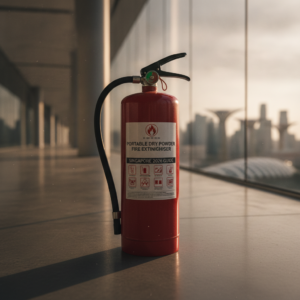
Dry powder fire extinguishers contain pressurised gas and monoammonium phosphate or similar powders. Left untreated or discarded improperly they can:
- Present a pressurised cylinder risk (rupture, injury) if punctured or crushed.
- Cause environmental contamination if the powder and residues enter drains or soil.
- Violate workplace safety and building safety codes if left expired or non-functional inside premises.
Responsible fire extinguisher disposal protects people, property and the environment, and ensures compliance with Singapore’s fire safety expectations.
Singapore regulations and best-practice references
Always engage licensed contractors for removal, discharge, and scrap handling.
Understanding the lifecycle of a dry powder fire extinguisher
A standard lifecycle ends when the extinguisher reaches its expiry date (usually 5–10 years depending on type and maintenance), fails a hydrostatic test, is damaged, or has been discharged and cannot be reliably refilled. At that point you should decide whether to:
- Refill or overhaul (when within serviceable limits),
- Replace with a new unit (often recommended for older or heavily corroded cylinders), or
- Dispose of it safely through a licensed contractor.
If you’re unsure which option applies, contact a certified service provider for an inspection and written recommendation. Many suppliers also provide on-site replacement, servicing and disposal bundles — see services like extinguisher replacement and refill for typical offerings.
Step-by-step disposal process for a dry powder fire extinguisher (recommended)
-
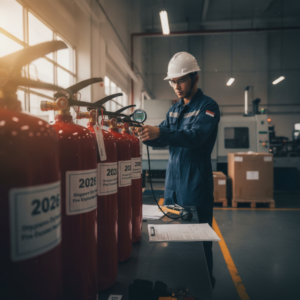
Identify and isolate: Verify the unit’s status — expired date, damage, failed inspection tag or fully discharged. Tag it as ‘for disposal’ and move it to a secure, ventilated area away from people and ignition sources.
-
Engage a licensed contractor: Do not attempt to crush, puncture or incinerate a pressurised cylinder yourself. Hire a licensed fire protection contractor or hazardous waste handler. Search providers that offer combined removal, discharge, and recycling services.
-
Safe discharge (if required by contractor): Contractors will fully discharge the powder into a controlled capture system to avoid dust spread. This step should only be done with appropriate PPE and ventilation.
-
Depressurisation and valve removal: After discharge, the cylinder is depressurised and valves removed by trained personnel. This prevents accidental re-pressurisation during transport.
-
Recycling or scrapping: Metal cylinders are often recyclable as scrap steel/aluminium after neutralisation and cleaning. The powder residues are handled as non-hazardous solid waste or special waste depending on contamination; contractors will dispose of them per NEA and local waste rules.
-
Documentation: Licensed handlers should provide a disposal certificate or manifest noting the unit serial number, date of disposal, method and contractor details. Keep this record for compliance and audit purposes.
Where to take old extinguishers (options in Singapore)
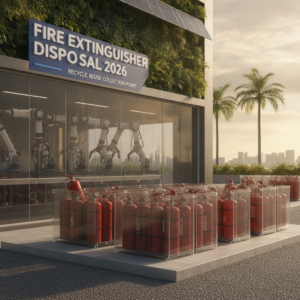
- Fire protection contractors: Many companies provide pickup, disposal and replacement services, often including inspection and digital tagging.
- Scheduled collection events or trade-in programs: Some suppliers run exchange programs where you trade an old unit for a discounted replacement.
- Recycling and scrap metal yards (only after certified depressurisation and valve removal): Do not deliver pressurised or filled units to a scrap yard.
For professional servicing and removal, look for accredited businesses that advertise local response and safety inspection services such as fast replacement and safety inspection.
Service vs disposal: when to refill and when to replace
Refill or overhaul is cost-effective when the cylinder passes a pressure test and is structurally sound. Replacement is often better when the cylinder is beyond hydrostatic testing life, has severe corrosion, or repair costs approach the price of a new extinguisher.
If you prefer continued maintenance rather than disposal, certified providers offer scheduled servicing and refilling. See more on full servicing and maintenance plans at fire extinguisher servicing.
How to choose a licensed contractor in Singapore
- Ask for proof of training and insurance.
- Safety procedures: They should describe discharge, depressurisation and transport methods, and provide a disposal certificate after completion.
- Environmental compliance: Choose contractors that handle powder residues responsibly and recycle metal cylinders.
- Transparent pricing: Get itemised quotes (pickup, discharge, disposal certificate, replacement if needed).
- Digital services and records: Many providers now supply digital logs, QR tagging and electronic service reminders to support compliance.
National City Corporation and similar providers list compliant disposal and replacement services — for portable extinguisher systems and full protection solutions see: portable fire extinguisher systems.
Cost expectations and practical tips
Typical price ranges (approx.):
- Simple collection and certified disposal: SGD 30–80 per unit (depends on pickup logistics and number of units).
- Discharge, depressurisation and heavy cleaning: SGD 50–120.
- Refill/overhaul: SGD 60–200 depending on size, powder and labour.
- New replacement units: SGD 70–300+ depending on capacity and class.
Practical tips to reduce costs:
- Consolidate multiple units for a single pickup to save logistics fees.
- Use trade-in or exchange programs offered by suppliers to lower replacement cost.
- Schedule disposal during routine servicing to combine visits.
For bundled replacement and disposal options with fast response, explore services like extinguisher replacement and refill.
Environmental and safety considerations
- Powder handling: Dry chemical powders can irritate skin and respiratory tract. Contractors should capture and bag residues; avoid sweeping into drains.
- Metal recycling: After safe cleaning and valve removal, cylinders can be recycled as scrap, supporting circular economy goals.
- Documentation: Maintain disposal certificates for building audits, fire safety inspections and insurance reviews.
Singapore is seeing a trend among facility managers towards greener, traceable disposal solutions — digital manifests, QR-tagging of units and contractor transparency are increasing across 2024–2025.
Quick checklist for households and businesses in Singapore
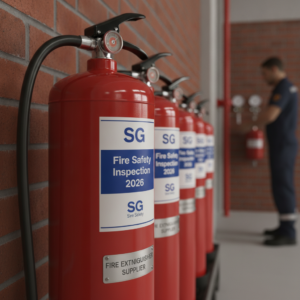
- Check expiry and inspection tags regularly.
- If expired, damaged or discharged, tag the unit and isolate it from daily areas.
- Contact a licensed service provider for inspection and written advice.
- Arrange certified pickup and disposal; retain the disposal certificate.
- Replace with the correct-rated extinguisher for your premises and schedule regular maintenance.
For professional removal and full-life servicing of portable fire extinguishers, accredited providers can help with on-site inspection and replacement programs. A reliable starting point is this comprehensive servicing resource on fire protection systems: fire extinguisher servicing.
Final notes and next steps
Disposing of a dry powder fire extinguisher in Singapore in 2025 requires care, the right contractor and proper documentation. Prioritize safety by never attempting to puncture or crush a pressurised cylinder, and always use licensed handlers to discharge, depressurise and recycle components. If you manage multiple extinguishers or run a business, consider scheduled servicing and replacement plans to keep compliance simple and costs predictable. For vendors and on-demand programs that combine replacement, inspection and certified disposal, vendors offering fast, compliant options are available — review options such as fast replacement and safety inspection to streamline the process.


No comment yet, add your voice below!