

Why fast fire extinguisher replacement matters in Singapore
In a dense urban environment like Singapore, seconds matter when a fire starts. A faulty or empty extinguisher is not just an equipment failure — it’s a safety gap that puts people, property and business continuity at risk. Rapid, compliant fire extinguisher replacement ensures that extinguishers are operational, correctly sized for hazards, and fully certified for use by building managers and occupants.
For organisations and homeowners, prioritising replacement reduces downtime during inspections and supports a safer workplace culture.
How fire safety inspection ties into replacement decisions
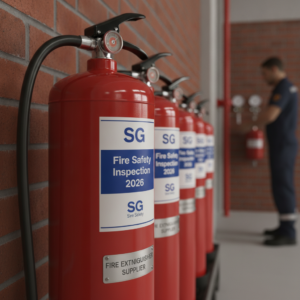
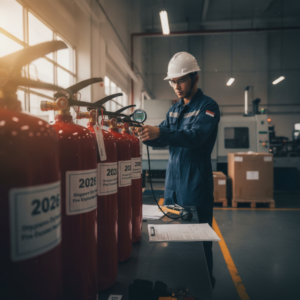
A comprehensive fire safety inspection does more than tick boxes. It evaluates the condition of extinguishers, placement adequacy, signage, pressure indicators, and accessibility. Trained inspectors spot issues that indicate the need for replacement — corrosion, failed hydrostatic test dates, tamper evidence, or extinguishers past their service life.
Regular inspections also identify systemic problems such as inappropriate extinguisher types for certain risks or poor distribution that compromises response times. When inspection findings are acted on swiftly, the cost of replacement is minimised and the overall resilience of your fire protection improves. Learn more about professional fire safety inspection.
regulations and 2025 trends affecting replacements
Recent regulatory updates and industry trends towards 2025 emphasise:
- Clear service intervals and record-keeping for portable extinguishers
- Certified technicians for refill and hydrostatic testing
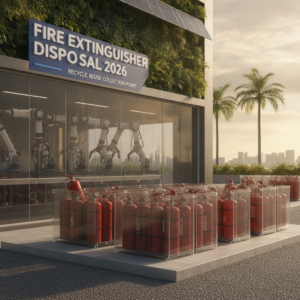
- Environmentally responsible disposal and recycling of replaced units
- Integration of smart monitoring and digital logs for inspection history
These developments mean replacement is not just a hardware swap — it’s part of a regulated lifecycle.
When should you replace a fire extinguisher?
Replace extinguishers when any of the following apply:
- Pressure gauge indicates undercharged or overcharged condition
- Visible corrosion, dents, or damaged hose/nozzle
- Expiry of statutory dates or failed hydrostatic test
- Discharge during an incident or after partial use without proper refill
- Wrong extinguisher class for the present hazard
Replacing proactively during routine inspections prevents emergency surprises and is usually more cost-effective than emergency procurement.
Types of extinguishers and replacement considerations
Knowing which extinguisher suits your environment reduces unnecessary replacements and enhances safety:
- Water (APW): Good for Class A fires (paper, wood). Not for electrical or flammable liquids.
- Dry Chemical (ABC/BC): Versatile; common for mixed hazards but subject to contamination after use.
- CO2: Ideal for electrical equipment; requires correct placement and venting.
- Wet Chemical: Suited for kitchen grease fires (Class F).
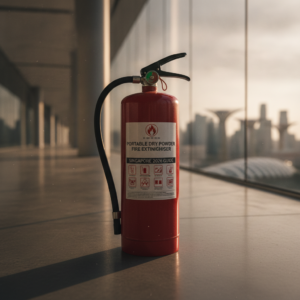
When replacing, ensure the new unit matches the hazard class, has the correct capacity for the area, and includes mounting and signage. Portable extinguisher standards and selection are explained at the portable fire extinguisher guidance page.
The replacement process — from inspection to certified handover
A streamlined replacement process typically follows these steps:
- Inspection and hazard assessment — determine cause and suitable extinguisher type.
- Recommendation and quote — certified provider specifies replacement model and location.
- Decommissioning and eco disposal — removed units are logged and disposed responsibly.
- Installation and commissioning — new units mounted and tagged with service records.
- Certification and reporting — you receive updated inspection reports and compliance documentation.
Choosing a provider that handles disposal responsibly and provides full documentation simplifies audit compliance and reduces your administrative burden. See the latest guidance on disposal and recycling in Singapore’s 2025 action plan: disposal and recycling guidance.
Fire safety inspection checklist for Singapore properties
A practical checklist for inspections will help you decide whether replacement is necessary:
- Are all extinguishers in their designated places and unobstructed?
- Are pressure gauges within the green (operational) range?
- Are service tags present and up-to-date?
- Is there visible physical damage or corrosion?
- Are extinguisher types appropriate to the identified hazards?
- Has any unit been used and not properly refilled or replaced?
Document these points in your fire safety inspection report to support subsequent replacement actions.
Cost considerations and budgeting for replacements
Budgeting for replacements involves more than upfront unit cost. Consider:
- Labour for removal and installation
- Hydrostatic testing or certification fees
- Disposal fees and environmental compliance
- Possible upgrades to meet new code or efficiency standards
- Ongoing maintenance and digital monitoring subscriptions
Transparent providers will give a total cost of ownership estimate, helping facilities teams plan for scheduled replacements rather than emergency spends. For a detailed look at replacement and upgrade costs, see this resource on replacement and system upgrades.
Choosing the right provider in Singapore
When selecting a contractor for fire extinguisher replacement and fire safety inspection, prioritise these attributes:
- Clear service level agreements (response times, reporting)
- Full-service capability: inspection, replacement, refill, disposal
- Proven experience across residential, commercial and industrial sites
- Transparent pricing and compliance documentation
Read customer reviews and request case studies to verify capability, and ensure you obtain detailed service reports after each inspection.
Sustainability and smart trends shaping replacements
Two strong trends are influencing how replacements are done in 2025 and beyond:
- Eco-friendly disposal and recycling: Companies increasingly recycle metal cylinders and ensure extinguishing agents are disposed of safely, reducing landfill and environmental impact.
- Smart servicing: IoT-enabled tags and digital inspection logs allow real-time tracking of extinguisher status, improving reliability and speeding up targeted replacements.
These trends not only support regulatory compliance but also reduce long-term costs through predictive maintenance. Learn more about eco and smart servicing initiatives in Singapore’s 2025 action plan via the disposal and alarm maintenance page noted above.
Quick wins — what facilities managers can implement immediately
- Institute quarterly visual checks and annual professional inspections.
- Replace any unit showing signs of damage or pressure loss immediately.
- Coordinate replacements in batches to save on contractor mobilisation fees.
- Train frontline staff on extinguisher selection and initial response.
For streamlined servicing and timely replacements, partner with a local specialist offering rapid response and full documentation.
Final notes on compliance and protection
Proactive inspection routines, informed selection of extinguisher types, and working with certified providers reduce liability and improve your building’s overall safety posture.
Schedule a certified inspection and replacement service today to maintain compliance and ensure reliable protection across your premises.


No comment yet, add your voice below!