

The evolving landscape of fire safety in Singapore (2025)
Singapore’s approach to fire protection continues to advance in 2025. Understanding current best practices for a singapore fire protection system and ensuring timely fire extinguisher servicing is essential to protect people, property and business continuity.
Why a comprehensive singapore fire protection system matters
A modern singapore fire protection system is more than a collection of equipment — it’s an integrated strategy that reduces risk, improves detection and streamlines emergency response. Key components include:
- Early-warning systems (smoke detectors, multi-sensor detectors)
- Fire alarms integrated with building management systems (BMS)
- Portable and fixed fire extinguishers suited to hazards onsite
- Fire suppression systems for specialized spaces (clean agents, sprinklers)
- Clear evacuation routes, signage and trained personnel
Integration and regular servicing turn these components into a reliable system. For portable units and fixed systems, documented fire extinguisher servicing and certified inspections are what keep the system compliant and operational.
What changed in 2025: trends and regulatory expectations
- Smart maintenance: Predictive analytics and IoT-enabled sensors help monitor extinguisher status, pressure levels and system faults in real time, reducing downtime and surprise failures.
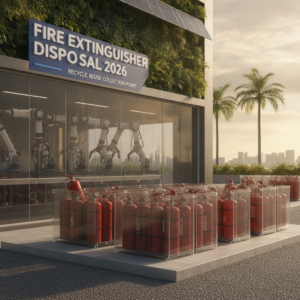
- Eco-friendly lifecycle management: There’s a stronger push for safe, recyclable disposal and responsible refill practices for discharged or end-of-life extinguishers. See the national 2025 initiatives on sustainable disposal and servicing practices here: 2025 action plan for fire extinguisher disposal and fire alarm maintenance.
- Upgrades and compliance audits: Older systems are being reviewed for compatibility with modern suppression agents, alarm standards and integration needs. Guidance for replacements and upgrades can be found at this resource: fire extinguisher replacement and system upgrades.
Fire extinguisher servicing: what owners must know
Regular fire extinguisher servicing protects occupants and ensures legal compliance. Core elements of a good servicing program include:
- Visual inspection: Monthly visual checks for obvious damage, pressure gauge readings and secure mounting.
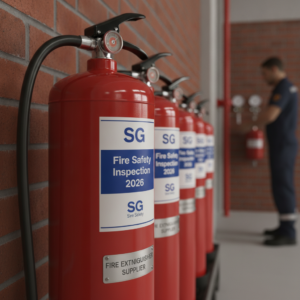
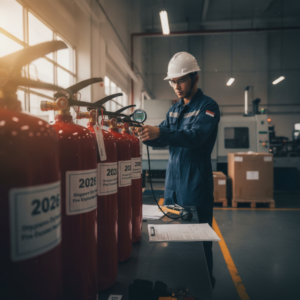
- Annual servicing: A certified technician should perform a full service annually — checking seals, internal condition (if required), gauge accuracy and recharge if necessary.
- Hydrostatic testing and deep maintenance: Some cylinders and types require periodic pressure testing and internal inspection at manufacturer-recommended intervals.
- Record keeping: Maintain service tags and digital logs for each extinguisher to provide evidence during audits.
Choosing the right portable fire extinguisher for your site
Selecting the correct extinguisher depends on the fire risks present:
- Class A: Combustible materials (wood, paper) — water or foam-based agents
- Class B: Flammable liquids — foam, powder or clean agents depending on the environment
- Class C: Gas fires — specialist agents and fixed suppression where applicable
- Class E (electrical): Clean agents and CO2 are typically used to avoid electrical conductivity
- Class F: Cooking oil/fat (kitchens) — wet chemical extinguishers designed for deep-fat fryer fires
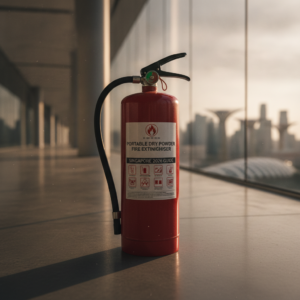
For portable options and sizing guidance, check the supplier overview here: portable fire extinguisher — singapore fire protection system.
Integrating servicing with broader fire protection system maintenance
A robust maintenance program ties extinguisher servicing to broader system checks:
- Alarm and detector testing: Synchronise extinguisher checks with smoke detector and alarm maintenance.
- Sprinkler and suppression maintenance: Verify compatibility between fixed systems and portable units.
- Staff training and evacuation drills: Regular hands-on training ensures extinguishers are used safely and effectively.
Coordinating upgrades and services helps avoid gaps in protection and simplifies compliance reporting.
Cost considerations and budgeting for 2025
Budgeting for fire safety should consider upfront equipment costs, recurring servicing and eventual replacement cycles:
- Initial investment: Higher-quality extinguishers and smart-enabled units cost more upfront but reduce long-term risk and maintenance surprises.
- Annual servicing: Factor in certified technician fees, parts (seals, hoses), and refill costs.
- Replacement cycles: Plan for replacement when an extinguisher’s condition or certification lifetime ends rather than waiting for failure.
- Upgrade projects: If upgrading suppression systems or integrating IoT, include installation, commissioning and staff training in the budget.
A practical costing and compliance guide for replacements and upgrades can help clarify expected expenditure: replacement & upgrades costs and compliance.
Sustainable disposal and eco-friendly servicing practices
Sustainability is a growing priority. Best practices include:
- Using refill and recharge services where safe and permitted to extend extinguisher life.
- Recycling metal cylinders and responsibly disposing of chemical agents per local regulations.
- Choosing environmentally friendlier suppression agents where appropriate.
Reference the national action plan on eco-friendly disposal and smart alarm servicing for detailed procedures: 2025 action plan for disposal and alarm maintenance.
Choosing a certified service provider
Selecting the right contractor for fire extinguisher servicing and system maintenance is critical. Look for providers that offer:
- Transparent service schedules and digital record-keeping
- Options for smart monitoring and integration with building systems
- Responsible disposal and refill processes
Practical checklist for facility managers (quick reference)
- Confirm extinguisher types and quantities match identified risks.
- Schedule monthly visual checks and annual certified servicing.
- Keep clear maintenance records and service tags for every unit.
- Plan for hydrostatic testing and replacements per manufacturer guidance.
- Consider IoT-enabled monitoring for high-risk or high-traffic locations.
- Ensure eco-friendly options are included in procurement and end-of-life plans.
For a step-by-step replacement and compliance checklist, see: replacement and compliance guide.
Final notes: keeping Singapore safe and compliant in 2025
Maintaining an effective singapore fire protection system and prioritising professional fire extinguisher servicing are both practical and mandatory steps in safeguarding lives and property. Embrace smart maintenance where appropriate, work with certified local providers, and include sustainable lifecycle planning in procurement and servicing.
Contact a certified local provider to review your current setup, establish a servicing schedule and make any required upgrades to meet 2025 standards and beyond.


No comment yet, add your voice below!