

Why fire extinguisher servicing and replacement matter in Singapore 2025
Fire extinguishers are a first line of defense against small fires, but they only protect people and property if they are correctly maintained and replaced when needed. In 2025, building owners, facility managers and homeowners in Singapore face increased expectations for documented compliance, digital recordkeeping and sustainable disposal. Regular fire extinguisher servicing prevents failures during emergencies, reduces liability exposure, and helps meet regulatory obligations under local fire safety frameworks.
Key differences: routine servicing vs. replacement
Routine fire extinguisher servicing focuses on inspection, maintenance and minor repairs to ensure an extinguisher remains operational. Replacement occurs when an extinguisher no longer meets safety standards, has failed pressure or integrity tests, or when agents or technologies have become obsolete for a particular hazard.
For practical guidance on professional servicing options, see this specialist page on fire extinguisher servicing in Singapore: fire extinguisher servicing.
What a good servicing program includes
A robust servicing schedule combines daily/weekly checks by on-site staff, scheduled professional inspections, and periodic in-depth servicing. Typical elements are:
– Visual inspections for obvious damage, corrosion, or tampering
– Verification of correct pressure gauge readings and intact safety pins/seals
– Checking that labels and instructions are readable and signage is present
– Weight checks to detect agent loss
– Discharge hose/nozzle inspection for blockages
– Recharging after use and replacement of faulty parts
– Professional testing, internal checks and tagging
Service providers increasingly offer QR-tagged records, cloud-based compliance logs and reminders tied to asset management systems — features that make it easier to show audit-ready histories for each extinguisher.
Monthly and daily checks your team should do
Daily or weekly visual checks are low-effort but high-impact. Make these part of a site safety walk:
– Confirm extinguisher is in its bracket and accessible
– Ensure the pressure gauge needle is in the green zone
– Check the tamper seal and safety pin
– Look for dents, corrosion, loose hoses or clogged nozzles
– Verify signage and fire point access
Document these checks in a simple log (paper or digital) and escalate any abnormalities to a licensed service provider.
Professional servicing: what to expect and when to schedule
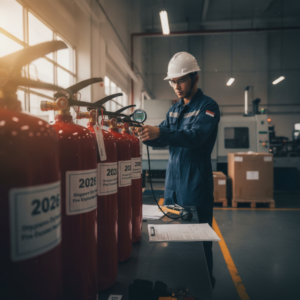
Professional servicing should be performed by licensed, experienced technicians. Key milestones typically include:
– Annual professional inspection and basic maintenance
– Multi-year internal inspections or pressure tests as recommended by manufacturers and the servicing firm
– Immediate servicing after any discharge, whether full or partial
To compare certified servicing options and standards, consult local specialist pages such as this one on combined fire protection and alarm maintenance: fire protection system and alarm maintenance.
Signs you need fire extinguisher replacement now
Replacement is required when the extinguisher poses a safety risk or no longer meets operational standards. Typical triggers include:
– Visible structural damage to the cylinder (deep dents, cracks, severe corrosion)
– Failed pressure or hydrostatic tests
– Discharge mechanism failures or irreparable valve damage
– Extinguisher is past its manufacturer-designated service life or obsolete for the hazards it needs to control
– Contamination, agent degradation, or evidence of internal corrosion
– Recall notices from manufacturers or regulatory advisories
When replacement is needed, a professional assessment will recommend the right class and capacity for the specific risk.
Explore replacement services and integrated maintenance options at: fire extinguisher replacement.
Choosing the right replacement extinguisher for Singapore premises
Selecting the correct extinguisher means matching agent type, size and placement to identified risks:
– Class A (ordinary combustibles like paper, wood) — typically water or foam
– Class B (flammable liquids) — foam or dry chemical
– Class C (electrical fires) — CO2 or dry chemical (non-conductive agents)
– Class F (cooking oil/fat) — wet chemical extinguishers for kitchen areas
Consider capacity (kg rating), mounting height, and travel distance to the extinguisher.
Safe disposal and sustainability practices
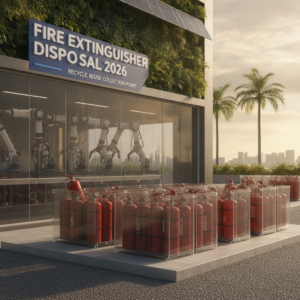
Extinguisher disposal requires care. Pressure vessels and chemical agents must be handled by licensed contractors to avoid environmental contamination or injury. Sustainable practices gaining traction in Singapore include:
– Agent recovery and recycling where feasible
– Proper crushing and decommissioning of cylinders after neutralising agents
– Clear documentation of disposal to support compliance and ESG reporting
Local guidance on end-of-life steps is available here: fire extinguisher disposal.
Recordkeeping, tagging and digital trends (2025 updates)
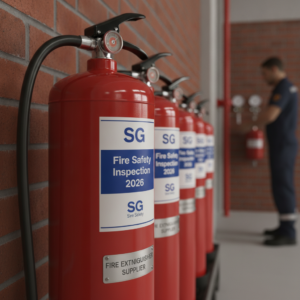
As of 2025, many businesses are upgrading from paper tags to QR codes and cloud-based maintenance logs. Benefits include:
– Immediate access to service history during inspections and audits
– Automated reminders for upcoming servicing or tests
– Consolidated asset tracking across multiple sites
– Easier demonstration of compliance to authorities or insurers
When you contract a servicing company, ask whether they provide digital tagging and secure cloud records — this reduces administrative burden and improves transparency.
Training, drills and integration with fire alarm systems
A well-maintained extinguisher is only effective when people know how to use it. Regular staff training, combined with live drills and clear signage, increases the chance of safe, successful intervention. Integrate extinguisher location mapping into your building’s fire plan and coordinate with fire alarm and suppression systems for a complete safety strategy. For integrated maintenance of alarms and extinguishers, see: fire protection system and alarm maintenance.
Cost considerations and budgeting for servicing and replacement
Budgeting wisely reduces long-term risk and avoids unexpected costs. Consider:
– Routine servicing contracts with predictable annual fees
– Lifecycle budgeting for replacement at end-of-service life
– Factoring in potential costs for professional disposal or recycling
– Choosing slightly larger capacity or multi-hazard extinguishers where they provide better value and coverage
Tip: combining alarm and extinguisher maintenance with one trusted contractor often delivers better coordination and cost efficiencies.
Choosing a service provider: what to check
Pick a provider who offers:
– Valid licences and insurance
– Transparent service reports and digital records
– Prompt response to emergency call-outs
– Clear pricing and written quotes
– Demonstrated knowledge of Singapore fire safety requirements and best practices
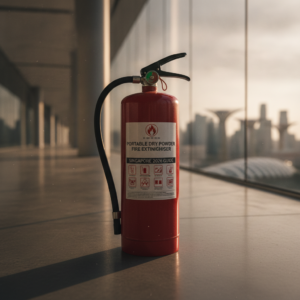
Providers that offer tailored packages including inventory audits, digital tagging and scheduled reminders will reduce compliance risk and administrative burden. Learn about portable extinguisher options and essentials to compare suppliers effectively: portable fire extinguisher essentials.
Quick checklist before scheduling service or replacement
- Verify the extinguisher’s visible condition and pressure
- Confirm last service date and any overdue items in your digital log
- Identify the extinguisher class needed for the protected hazard
- Arrange disposal of old units through a licensed contractor
- Ask for digital records and a clear next-service schedule
If you need a straightforward checklist for on-site staff, many service firms provide printable inspection templates.
Final considerations: safety, compliance and peace of mind
Maintaining and replacing fire extinguishers is both a technical and an organisational task. In 2025, best practice in Singapore balances regulatory compliance, regular professional servicing, staff training and sustainable disposal. By investing in a proactive servicing program and timely replacement decisions, building owners and managers protect people, assets and reputation.
For a complete managed approach that links extinguisher care with broader fire system maintenance, review combined service offerings at: fire alarm and extinguisher services.
Consistent attention to maintenance, clear recordkeeping and the right replacements will keep your property safer and audit-ready.


No comment yet, add your voice below!