

Introduction: Why a checklist matters in 2025
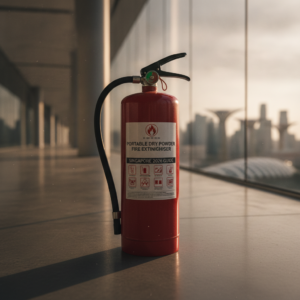
In Singapore, a well-maintained portable fire extinguisher can mean the difference between a small incident and a major fire. The Singapore Civil Defence Force (SCDF) expects property owners and facility managers to keep extinguishers ready, visible and compliant. This practical checklist is tailored for Singapore in 2025: it blends SCDF guidance, industry best practice, and modern trends like QR-coded service tags and digital inspection logs.
This guide uses the terms portable fire extinguisher and scdf fire extinguisher frequently because both are central to compliance and safety. Read on for a structured checklist, servicing timelines, signs of failure, correct mounting, disposal steps and tips for digital tracking.
Quick overview: SCDF requirements and typical intervals
- Monthly visual checks by occupants or safety officers
- Annual professional servicing by licensed technicians
- Internal inspection or hydrostatic pressure testing as required by type (commonly at 5 or 12-year intervals depending on extinguisher class and manufacturer guidance)
- Proper labelling, signage and unobstructed access
For professional servicing, keep a record and attach a service tag after every visit. Many service providers now integrate digital records for easier audit trails — a helpful trend for 2025 compliance.
Basic monthly visual checklist (owner/user level)
Use this quick monthly check to catch obvious issues before they become hazardous:
- Is the extinguisher easily accessible and unobstructed? Keep escape routes clear.
- Is it mounted at the correct height and with a visible sign? (Follow SCDF recommendations for mounting.)
- Is the pressure gauge in the green zone or the gauge indicator showing charged status?
- Is the safety pin and tamper seal intact?
- Are labels and operating instructions legible and facing outward?
- Is the hose/nozzle free from cracks, blockages or dents?
- Any obvious physical damage, rust, corrosion or dents to the cylinder?
- Is there a recent service tag or QR-code indicating the last service date?
Record the check in a simple log — a paper register or a digital spreadsheet. If any issue is found, tag the extinguisher as out-of-service and arrange professional servicing immediately.
Detailed annual professional checklist (licensed technicians)
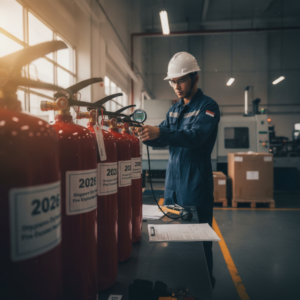
Professional servicing should follow manufacturer instructions and SCDF guidance. A licensed technician will typically perform:
- Full external inspection for physical integrity and corrosion
- Pressure verification and gauge calibration
- Replacement of extinguishing agent if required
- Inspection and testing of hoses, nozzles and horns (for CO2 units)
- Tamper seal and safety pin replacement where needed
- Hydrostatic testing as required by extinguisher type and age
- Re-tagging with a service sticker including date, technician ID and next due date
For building managers, ensure the service provider issues a proper service report and updates your asset register. If you need professional assistance, consider engaging authorised servicing listed under SCDF guidelines; an example resource on professional servicing and replacement can be found here: fire extinguisher servicing & replacement Singapore 2025.
Inspection checklist by extinguisher type
Portable extinguishers come in different classes (A, B, C, F and specialist types like CO2 or wet chemical). Key checks by type:
- Dry chemical (ABC): Check for caking or moisture ingress. Shake or invert slightly per manufacturer guidance.
- CO2: Inspect horn and discharge path; check weight against rated capacity as CO2 has no pressure gauge.
- Wet chemical: Ensure no sedimentation and check seals; used in kitchen/restaurant settings.
- Water/foam: Check for rust, pressure and foam concentrate dilution per specs.
If your premises include kitchen hoods, deep-fat fryers or other high-risk areas, ensure wet chemical extinguishers are present and service providers familiar with restaurant systems are engaged. For maintenance of integrated systems and alarms, look into specialised providers: Singapore fire protection system and alarm maintenance 2025.
Placement, signage and mounting — what SCDF expects
Correct placement and mounting ensure extinguishers are ready when needed:
- Position extinguishers near likely ignition sources and at exit routes.
- Mount so the top of the extinguisher is within reach — typically not more than 1.5 m above the floor for most portable units.
- Use clear signage and reflective markers for visibility in low light.
- Ensure extinguishers are not hidden behind doors, curtains or stored in locked cabinets unless a key is readily accessible to emergency responders.
Visibility and access are frequently cited during SCDF inspections. Keep routes to extinguishers clear and post simple operating instructions nearby.
Usage checks and staff training
Knowing how to use a portable fire extinguisher safely is as important as having one:
- Teach staff the PASS technique: Pull pin, Aim at base, Squeeze lever, Sweep side-to-side.
- Emphasise safe distance — approach cautiously and retreat if the fire intensifies.
- Run short, timed drills and include extinguisher demos at least annually.
- For high-risk environments (commercial kitchens, workshops), arrange practical refresher training more frequently.
Training records should reflect attendees, dates and practical competencies. If you manage a mixed portfolio of properties, centralise training records for easier audits.
Disposal, decommissioning and replacement
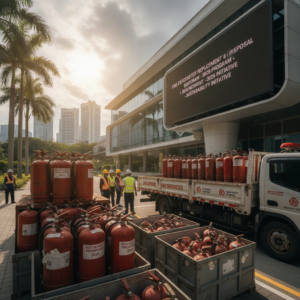
When an extinguisher is expired, fails a test, or is used and not rechargeable, dispose of it responsibly:
- Follow the manufacturer and service provider instructions for disposal and decommissioning.
- For spent chemical extinguishers, ensure the agent is disposed of according to environmental regulations.
- Replace aging units with modern equivalents that meet current SCDF and manufacturer standards.
Residents and small businesses can reference step-by-step disposal guidance like this resource: fire extinguisher disposal steps for Singapore residents.
Recordkeeping and audit readiness (digital trends for 2025)
A neat audit trail saves time during SCDF inspections. In 2025, best practice blends physical tags with digital systems:
- Use QR-coded service tags that link to a cloud-based history: last service date, next due date, technician notes.
- Maintain a digital asset register with photos, serial numbers and expiry dates.
- Set automated reminders for monthly checks and annual servicing.
- Keep scanned service reports accessible for SCDF or insurer requests.
Many property managers now partner with service providers who integrate inspection reports into a centralised platform — consider this approach for multi-site operations. For facilities that combine alarm systems and extinguisher maintenance, integrated servicing packages are available: fire alarm maintenance & replacement SG 2025.
When to call an SCDF-approved or licensed technician
Escalate to a licensed technician immediately if you discover any of the following during checks:
- Cylinder bulging, severe denting, or significant corrosion
- Pressure gauge out of range or missing gauge
- CO2 cylinders that weigh significantly less than their rated capacity
- Extinguishers used to the point of depletion
- Any failed hydrostatic pressure test
If you need scheduled maintenance or replacements, use accredited services. For large facilities requiring regular servicing, dedicated contracts for timely service and replacement are recommended: fire extinguisher servicing for Singapore.
Common faults and quick fixes (do not attempt if unsure)
- Low pressure: Tag out-of-service and arrange recharge/service.
- Clogged nozzle: Do not attempt to force-clean. Call a professional.
- Missing tamper seal: Replace seal and note the cause; ensure no unauthorised use.
- Faded instructions: Replace label or entire unit if instructions cannot be read.
Never attempt improvised repairs on cylinders, valves or pressure vessels. Safety valves and seals must be handled by trained technicians.
Final checklist summary (printable)
- Monthly: Visual check, gauge, pin/seal, accessibility, signage.
- Annually: Professional servicing and full functional check.
- Periodic: Hydrostatic/internal inspection per manufacturer and SCDF timelines.
- After use: Recharge or replace immediately; update records.
- Disposal: Follow environmental and manufacturer guidance; use licensed disposal services.
If you run a facility with integrated fire protection needs, consider combined service packages that cover extinguishers, alarms and suppression systems for streamlined compliance and reduced admin overhead: Singapore fire protection system and alarm maintenance 2025.
Closing notes — staying compliant and practical in 2025
Maintaining portable fire extinguishers to SCDF standards is a mix of routine checks, scheduled professional servicing and good recordkeeping. Embrace digital tracking, QR tags and integrated service contracts to make audits painless and ensure safety across your premises. A well-executed checklist reduces liability, supports occupant safety and keeps your property aligned with SCDF expectations.
For practical next steps: assign a monthly checker, book annual servicing with a licensed technician, update your digital register and plan a staff training session this quarter.



No comment yet, add your voice below!