

Why 2025 is a pivotal year for fire safety in Singapore
Singapore continues to prioritise resilient buildings and occupant safety. As buildings become smarter and regulations tighten, building owners and facility managers must keep pace with modern fire alarm maintenance and thorough fire safety inspection practices. This guide explains what to expect in 2025: from compliance basics to new technology trends and pragmatic checklists for everyday operations.
Understanding the difference: fire alarm maintenance vs fire safety inspection
Both processes are essential but serve different purposes:
- Fire alarm maintenance focuses specifically on the fire detection and alarm system — detectors, control panels, sounders, wiring, backup batteries and records of functional tests. Regular maintenance ensures the system will detect and alert when needed.
- Fire safety inspection is broader. It assesses a building’s overall fire readiness: alarm systems, emergency lighting, escape routes, fire doors, signage, portable fire extinguishers, hydrants and staff preparedness.
Using both together keeps organisations compliant and reduces real-world fire risk.
Key regulatory context in Singapore
While specific documentation and certificate requirements can vary by building type and use, the expectation is clear: equipment must be maintained in serviceable condition and records must be available upon inspection.
Typical maintenance and inspection frequency (best practice)
Recommended cycles that many Singapore building operators adopt:
- Daily/weekly: Visual checks (alarms showing faults, unobstructed hydrants/doors).
- Monthly: Simple alarm panel status checks and system log reviews.
- Quarterly: Functional tests of selected zones and detectors, battery checks.
- Annually: Full system inspection and certification by a licensed fire alarm contractor; comprehensive fire safety inspection covering all passive and active fire protection measures.
Modern trends shaping fire alarm maintenance in 2025
- IoT and cloud monitoring: Fire alarm systems increasingly stream status and health data to cloud dashboards for real-time monitoring and predictive alerts that reduce false alarms and unplanned downtime.
- Addressable, networked detectors: These allow pinpoint identification of faults or activations, speeding up response and maintenance.
- Predictive maintenance and analytics: Data-driven trends identify failing components before they cause system failure, shifting maintenance from reactive to proactive.
- Wireless detectors & retrofits: For older buildings, wireless nodes reduce disruption during upgrades.
- Digital recordkeeping: Electronic logs and digital certificates make audits smoother and support remote inspections.
These trends improve reliability but also raise expectations for cyber-resilience and robust service-level agreements (SLAs).
Practical checklist: fire alarm maintenance for building managers
Use this as a working checklist to keep fire alarm maintenance on track:
- Inspect control panel status lights and fault logs weekly.
- Conduct a zone-by-zone walk test quarterly to verify detector activation and alarm sounders.
- Clean detectors and remove dust or obstructions during scheduled visits.
- Replace backup batteries as per manufacturer guidance and test battery failover.
- Test manual call points and ensure accessibility.
- Verify annunciator panels in common areas are functional.
- Keep firmware and software of networked systems up to date; schedule vendor-approved upgrades.
- Maintain a digital log of all interventions, part replacements and test results for audit readiness.
Fire safety inspection: a step-by-step approach
A structured fire safety inspection helps ensure nothing is overlooked:
- Scope & planning: Define areas, systems and personnel to be involved. Notify tenants where tests will occur to avoid panic.
- Document review: Check maintenance records, past inspection reports, and certificates.
- Active system checks: Fire alarms, detectors, sprinklers (if present), hydrants, pumps, and emergency lighting.
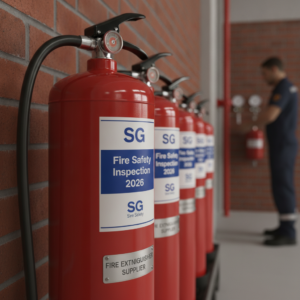
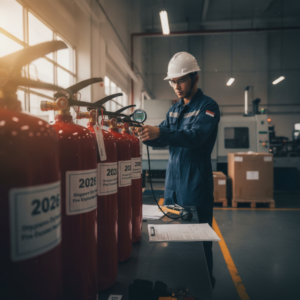
- Portable equipment: Inspect fire extinguishers for service tags, pressure gauge status and expiry. (For practical servicing routes and replacement options, see fast fire extinguisher servicing and replacement Singapore.)
- Passive measures: Ensure fire doors, compartmentation, signage, escape routes and occupancy doors are unobstructed and correctly rated.
- Human factors: Confirm that wardens and staff understand evacuation routes and that training records exist.
- Reporting: Produce an actionable report that categorises issues by urgency and assigns remedial actions with timelines.
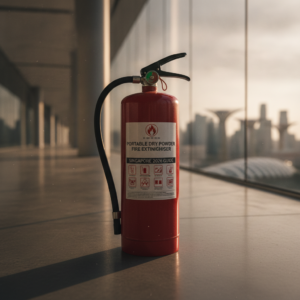
For extinguisher-specific maintenance and tips, the dry powder fire extinguisher servicing tips resource is a useful reference.
Choosing the right contractor in Singapore
When selecting a fire alarm maintenance or fire safety inspection provider, consider:
- Experience with your building type: Hospitals, data centres, F&B outlets and industrial facilities have different needs.
- Digital capabilities: Contractors who offer cloud monitoring, digital logs and predictive analytics can improve uptime.
- Response times and SLAs: Confirm guaranteed attendance windows for faults and alarm activations.
- Transparent pricing: Avoid hidden costs for call-outs or system reprogramming.
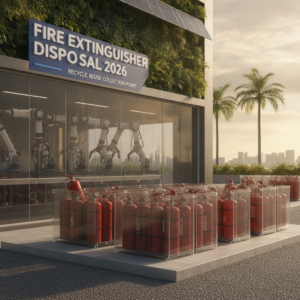
For integrated solutions that include extinguisher servicing and disposal, consult providers listed in the industry such as those advising on fire extinguisher maintenance and safety inspection SG 2025.
Cost considerations and budget planning
Budgeting for fire alarm maintenance and fire safety inspections should account for:
- Routine service contracts (monthly/quarterly/annual visits).
- Spare parts and consumables (batteries, fuses, detectors).
- Upgrades for compatibility with building management systems or cloud platforms.
- Emergency call-out fees or after-hours responses.
- Training and drills for staff.
Treat maintenance as an investment — preventive care reduces the chance of major system failures and potential regulatory fines.
Common pitfalls and how to avoid them
- Relying purely on reactive fixes: Adopt scheduled inspections and predictive tools to catch faults early.
- Consider centralised digital records to replace stacks of paper.
- Ignoring false alarms: Repeated false alarms often signal sensor or environmental issues that need addressing — don’t suppress the symptom.
- Using unlicensed contractors: Always verify credentials to avoid invalidated warranties or noncompliance.
Preparing for a regulatory inspection
- Make sure maintenance logs and inspection certificates are current and accessible.
- Document corrective actions for previously identified issues.
- Ensure staff on site are briefed and know where firefighting equipment is located.
- Demonstrate that digital monitoring and alarm histories are intact for the inspection window.
A tidy, up-to-date record is often as persuasive as the physical state of equipment.
Final checklist: immediate next steps for building owners (quick wins)
- Schedule an annual full inspection with a licensed contractor if one hasn’t been done in the last 12 months.
- Implement monthly visual checks and log the results digitally.
- Review contractor SLAs for response times and remote monitoring features.
- Update training and evacuation plans; conduct at least one warden drill yearly.
- Audit portable fire extinguishers and arrange servicing or replacement as needed.
Closing notes
Maintaining a robust fire alarm maintenance programme and regular fire safety inspections will keep occupants safer, demonstrate regulatory diligence, and reduce operational risk. Embrace digital tools and qualified vendors, keep records up to date, and treat preventive maintenance as core facility management — in 2025, well-maintained systems and smart monitoring are the new baseline for fire safety in Singapore.


No comment yet, add your voice below!