

Why fire safety inspection and maintenance matter in Singapore
Singapore’s dense urban environment and strict safety expectations make fire preparedness non-negotiable. An organised inspection and maintenance programme also reduces business disruption by ensuring equipment works reliably when needed.
Key obligations and the regulatory landscape
Owners and occupiers are responsible for ensuring firefighting equipment is operational and properly maintained.
Types of portable extinguishers and their maintenance needs
Understanding extinguisher types helps prioritise maintenance:
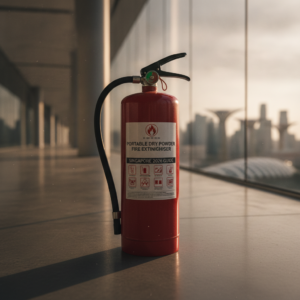
- Dry chemical (ABC) extinguishers: Versatile for general fires; check for powder compaction, pressure gauge readings, and corrosion. See a specialist guide on dry powder fire extinguisher.
- CO2 extinguishers: Ideal for electrical fires; inspect horns and seals, and ensure no signs of damage or pressure loss.
- Water and foam extinguishers: Check for blocked nozzles and rust; they require different refill and hydrostatic testing cycles.
Each type has distinct servicing intervals and testing requirements — a registered service partner can confirm the right schedules for your assets.
Practical inspection schedule: who should do what, and when
A layered approach works best: owner/operators do daily/weekly checks, while licensed technicians perform in-depth servicing.
- Daily/weekly visual checks (by staff): Ensure extinguishers are visible, unobstructed, correctly mounted, and that pressure gauges sit in the nominal zone. Confirm seals/tamper indicators are intact and that signage is legible.
- Monthly documented inspection (by responsible personnel): Record condition, check expiry tags, and verify location maps for quick access. These records help during formal audits.
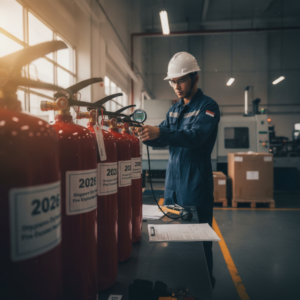
- Annual maintenance (by licensed technicians): Full servicing includes internal inspection where applicable, component replacement, pressure testing and refilling.
- Periodic hydrostatic testing and major overhauls: Some cylinders require hydrostatic testing every 5–12 years depending on type and manufacturer guidance.
For guidance on replacement procedures and end-of-life handling, review a dedicated portable fire extinguisher replacement resource.
A practical fire extinguisher maintenance checklist
Use this checklist during monthly and annual checks to avoid oversights:
- Location and accessibility: No obstructions; signage present and visible.
- Physical condition: No dents, corrosion, or signs of tampering.
- Pressure gauge: Needle in green or manufacturer’s normal range.
- Tamper seal/pin: Present and intact.
- Hose/nozzle: Clear and free from cracks.
- Nameplate and label: Model, rating and instructions legible.
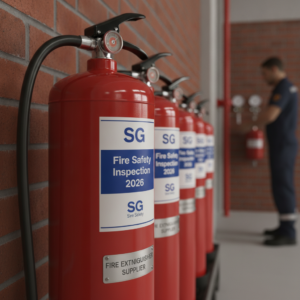
- Inspection tag: Dates and technician’s stamp updated.
- Weight check: Compare to expected weight where applicable.
- Fire system integration: Ensure extinguisher locations match emergency plans and evacuation routes.
Document every check: date, inspector, findings, and corrective actions.
Common maintenance tasks explained
- Recharging/refilling: After any use or if pressure is below recommended levels. Recharging must be done by trained technicians.
- Component replacement: Hoses, nozzles, O-rings and gauges often get replaced during service. Never improvise with non‑standard parts.
- Hydrostatic test: A pressure test for the cylinder’s structural integrity. This is performed at accredited facilities and recorded in equipment history.
- Corrosion control: Replace units with serious corrosion; light surface rust may be treated but should be monitored closely.
When to repair vs replace
Repair when defects are minor and parts are available from the manufacturer or approved suppliers. Replace when:
- Cylinder fails hydrostatic test.
- Manufacturer decommissions the model.
- Corrosion or structural damage compromises safety.
- Repair costs approach replacement cost.
For trusted procurement and lifecycle advice, work with an experienced supplier such as a trusted fire extinguisher supplier.
Records, tagging and audit readiness
Maintain a clear log for each extinguisher that includes installation date, service dates, tests performed, technician details, and part replacements. Use tamper-proof tags and digital logs when possible to expedite audits.
Staff training and drills — making equipment effective
An extinguisher only helps when people use it correctly. Include basic extinguisher operation (PASS: Pull, Aim, Squeeze, Sweep) in workplace safety training, and run periodic drills that incorporate extinguisher deployment. Record training dates and attendees as part of your safety dossier.
Common pitfalls and how to avoid them
- Ignoring small signs: Low pressure or a frayed hose often indicate bigger problems.
- DIY servicing: Recharging and hydrostatic tests should only be done by qualified technicians.
- Poor record keeping: Lack of documentation invites regulatory penalties and complicates insurance claims.
- Wrong extinguisher for the hazard: Ensure correct type and rating for kitchens, electrical rooms, and chemical stores.
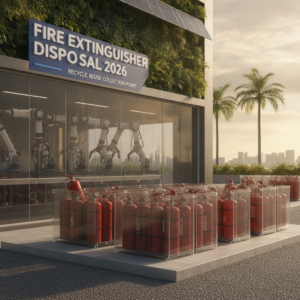
To avoid disposal missteps and ensure compliant handling of end‑of‑life units, consult official guidance on fire safety inspection and disposal.
Choosing the right contractor in Singapore
A strong contractor will explain replacement options and maintain a transparent pricing structure. For a detailed maintenance-focused resource, see this fire extinguisher maintenance.
Technology trends improving inspection and maintenance
- QR-code tagging and digital logs: Instant access to service history via mobile devices improves audit readiness.
- Predictive maintenance: Sensor tech and IoT devices can flag pressure loss or environmental threats before failure.
- Online training modules: E-learning makes regular staff refreshers scalable for multi-site operations.
Cost considerations and budgeting for safety
Budgeting for inspection and maintenance should include routine service fees, replacement parts, scheduled hydrostatic tests, and potential replacement units. Factor training and records management costs. Investing in preventive maintenance typically reduces emergency replacement costs and insurance premium exposure.
Quick reference: Immediate actions if an extinguisher shows problems
- Tag the unit as out-of-service.
- Replace with an equivalent unit in the interim.
- Log the fault and schedule certified servicing.
- Notify on-site safety officers and update evacuation and equipment maps.
Guidance on selecting replacements and responsible disposal options is available in a specialist portable fire extinguisher replacement guide.
Summary: A proactive approach keeps people safe and compliant
A robust programme combines regular visual checks, documented monthly inspections, annual professional servicing, and periodic hydrostatic testing. Choose qualified contractors, keep meticulous records, train staff, and replace or dispose of units responsibly. Incorporating digital records and working with reliable suppliers enhances efficiency and audit readiness. For specific extinguisher-type guidance and practical tips tailored to Singapore, refer to the dedicated resources on dry powder models and replacement procedures.
Maintaining a disciplined inspection and maintenance cycle turns fire extinguishers from passive hardware into effective, confidence‑inspiring safety tools across homes, offices and industrial sites in Singapore.


No comment yet, add your voice below!