

Why dry powder fire extinguishers are common in Singapore
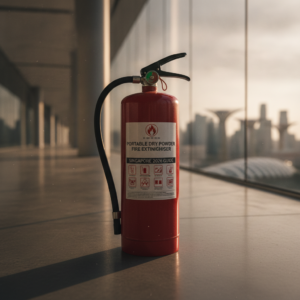
Dry powder fire extinguishers are widely used across Singapore for their versatility. They are rated for Class A (combustible solids), Class B (flammable liquids) and Class C (flammable gases) fires, making them a practical choice for many workplaces, construction sites, warehouses and vehicle fleets. In humid tropical climates like Singapore, the right servicing approach helps prevent powder clumping, corrosion and loss of reliability.
Understanding how dry powder units behave and what servicing they need will help building managers, facility teams and homeowners keep people and property safe while meeting regulatory expectations.
Key reasons to prioritise regular servicing
- Safety and effectiveness: An extinguisher that looks intact can still fail when used if internal components are compromised.
- Legal and insurance compliance: Regular maintenance and clear records support compliance with local regulations and insurance requirements.
- Longevity and cost control: Preventive servicing reduces the need for early replacement and avoids emergency downtime.
For an official overview of industry maintenance expectations, see this fire extinguisher maintenance guide: fire extinguisher maintenance and safety inspection.
Monthly visual checks: what owners or onsite staff should do
Monthly checks are a low-effort habit that catches obvious issues early. These checks do not replace professional servicing but reduce the risk of unexpected failure.
Checklist for monthly visual inspections:
– Location and accessibility: Is the extinguisher in its designated place, easily accessible, and unobstructed?
– Tamper seals and pins: Is the safety pin present and is the tamper seal intact?
– Pressure gauge: Is the indicator in the green range (if fitted)? Note that some powder units use a non-gauge system—follow the label.
– Physical condition: Look for dents, corrosion, broken handles, or cracked hoses/nozzles.
– Weight check: If you know the unit’s filled weight, quickly lift to confirm it feels normal—significant weight loss suggests leakage.
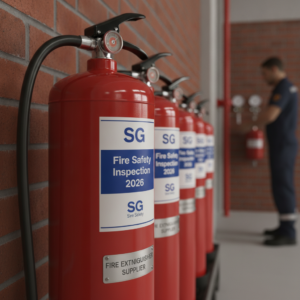
– Label and service tag: Ensure the operating instructions are legible and there is a visible service tag with dates.
Record the check (date and inspector initials). Digital logs or QR-linked service histories are becoming common in Singapore to make audits easier.
Annual full servicing: what professionals deliver
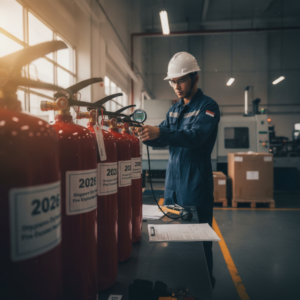
A competent fire extinguisher servicing company will perform a comprehensive inspection and maintenance service that typically includes:
– Verification of identification, rating and location
– Physical inspection of valve, cylinder and hose for corrosion, damage or leaks
– Weight measurements and refill if required
– Internal inspection and possible cleaning or replenishment of powder where needed
– Replacement of worn or defective components (valves, hoses, nozzles, O-rings)
– Re-sealing, pressure testing (where applicable) and re-tagging with service date
– Complete documentation and certificate for compliance records
Professional servicing is a legal and safety requirement in many commercial settings. For guidance on replacement and end‑of‑life procedures, review the portable extinguisher replacement guide: portable fire extinguisher replacement.
Common dry powder issues and how servicing addresses them
- Powder caking or bridging: Moisture ingress can cause powder to clump. Professionals will inspect internal condition and, if needed, replace or replenish powder.
- Valve or nozzle blockage: Powder can settle and block the discharge path. Servicing includes careful cleaning and component replacement if required.
- Corrosion of cylinder or fittings: Singapore’s humidity accelerates corrosion—servicers will identify and remove compromised units or treat minor corrosion per standards.
- Pressure loss and leaks: Regular pressure checks and seals replacement prevent silent pressure loss.
How often to do hydrostatic and major tests
Hydrostatic testing and major internal inspections are performed per the manufacturer’s instructions and statutory guidance. Intervals vary by model, cylinder construction and standards; your servicing contractor should advise the correct schedule. Never delay major testing beyond the recommended window—hydrostatic tests verify structural integrity and prevent catastrophic failure.
Practical servicing checklist for dry powder units
Use this as a quick guide when preparing for an annual service visit:
– Confirm unit location and application suitability (is a dry powder unit appropriate for the hazard?)
– Check service tags and last service date
– Prepare any access keys or restricted-area passes for service technicians
– Note any operational incidents (partial discharges, bumps, exposure to water) that technicians should inspect
– Ensure technicians issue a written report and certificate after servicing
Signs you need replacement rather than servicing
- Severe cylinder corrosion or deep pitting
- Repeated seal or valve failures after servicing
- Manufacturer recall or irreparable damage
- Out-of-date design that does not meet current safety standards
For clear replacement criteria and supplier options, consult trusted suppliers: trusted fire extinguisher supplier.
Selection and procurement tips for Singapore sites
- Right agent for the hazard: Confirm the extinguisher’s rating suits your fire risk—dry powder is versatile but not always ideal for enclosed electronic rooms where residue cleanup is an issue.
- Service capability: Choose a supplier that offers both sales and local servicing with certified technicians.
- Warranty and spare parts: Confirm warranty coverage and local availability of replacement valves, hoses and powder charges.
- Documentation: Ensure each unit is supplied with a clear maintenance plan and accessible service records.
Detailed product and servicing information for dry powder models can be found here: dry powder fire extinguisher information.
Modern trends in servicing and compliance
Singapore’s fire safety industry is adopting digital tools and best practices that make servicing more effective:
– QR-coded tags on units linking to cloud service histories and certificates
– Mobile inspection apps that timestamp monthly checks and generate compliance reports
– Predictive maintenance analytics for large portfolios using service data
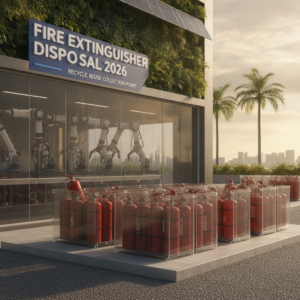
– Eco-conscious disposal and recycling channels for spent or damaged extinguishers
Choosing the right fire extinguisher servicing company
When hiring a servicing company consider:
– Accreditation and technician certification
– Local Singapore references and experience across similar facilities
– Clear service level agreements (SLA) and emergency response times
– Transparent pricing for routine service, recharge, component replacement and hydrostatic testing
– After-service documentation and digital recordkeeping
For a full overview of trusted service providers and maintenance options, see: trusted fire extinguisher supplier.
Practical maintenance dos and don’ts
Do:
– Keep a visible service tag and update it after every inspection
– Train onsite staff on monthly visual checks and basic extinguisher location awareness
– Use a certified contractor for recharging, internal inspections and hydrostatic tests
Don’t:
– Attempt internal repairs or recharge units without the right equipment and certification
– Store dry powder extinguishers in direct sunlight or where they can be repeatedly splashed with water
– Ignore small service issues—minor problems often escalate under humid conditions
Final checklist before handing over to service technicians
- Provide access and indicate high-risk areas
- Compile a short list of units that had incidents or show visible wear
- Request a full written service report, with photos for any components that were replaced
- Ask for recommended next service date and any corrective actions required
For more details on maintenance protocols and professional inspection standards, visit: fire extinguisher maintenance and safety inspection.
Conclusion
Regular servicing of dry powder fire extinguishers in Singapore is essential to ensure reliable performance, regulatory compliance and long-term cost-effectiveness. Implement monthly visual checks, engage accredited professionals for annual servicing and hydrostatic tests, maintain clear records—preferably digital—and choose suppliers with local servicing capabilities. Proper servicing protects people, assets and operations while keeping your facility aligned with best-practice fire safety standards.
For disposal, replacement and product-specific details, consult the official guides linked throughout this article and work with a certified local servicer to set up a practical maintenance programme: portable fire extinguisher replacement.
Schedule regular servicing, keep accurate records and ensure that dry powder extinguishers remain ready for use when they are needed most.


No comment yet, add your voice below!