

Why SCDF fire safety matters for every Singapore home and workplace
Fire incidents in Singapore may be relatively low compared to some countries, but the human and financial costs of a single small incident can be large. The Singapore Civil Defence Force (SCDF) places strong emphasis on prevention, early suppression and proper maintenance of fire safety equipment — and nothing beats a correctly chosen and serviced portable fire extinguisher for stopping a developing fire before it spreads.
This practical guide explains what Singapore residents and businesses need to know about portable fire extinguishers in 2025: how to choose the right type, how to use one effectively, routine checks and servicing, and when to replace or dispose of an extinguisher safely.
Types of portable fire extinguishers and what they do
Understanding extinguisher types helps you match equipment to risk. Common portable fire extinguisher types you’ll find in Singapore:
- Water (Class A): for ordinary combustibles such as wood, paper and cloth. Not for electrical or oil fires.
- Foam (A, B): effective on solids and liquid fuel fires, often used for vehicle or building risks where flammable liquids are present.
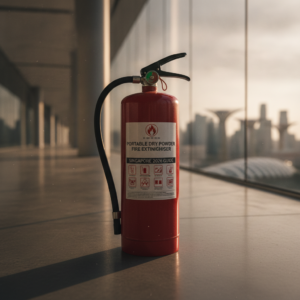
- Dry Powder (A, B, C / ABE): versatile multipurpose extinguishers that suppress many fire types. Widely used in industrial and general-purpose settings.
- Carbon Dioxide (CO₂) (B, Electrical): good for electronic equipment and small liquid fires; leaves no residue.
- Wet Chemical (Class F): specifically for cooking oil and grease fires (kitchens).
In Singapore settings, dry powder and CO₂ models are common for general and office use, while wet chemical extinguishers are recommended for kitchen hazards. For detailed servicing and tips on dry powder units, see these singapore dry powder fire extinguisher servicing tips: dry powder fire extinguisher servicing tips.
Choosing the right portable fire extinguisher for your needs
Selection is guided by the specific fire risks present, the size of the area and ease of use during an emergency. Points to consider:
- Risk type: Match extinguisher class to likely hazards (kitchen = wet chemical; electrical = CO₂; mixed risks = ABE powder).
- Size: Portable extinguishers range from 1 kg (suitable for cars) to larger portable options like 4–6 kg used in workplaces. Larger extinguishers have longer discharge time but are heavier to handle.
- Certification: Buy extinguishers compliant with recognised standards and check that servicing is done by qualified technicians.
- Visibility & access: Mount extinguishers on brackets at recommended heights and ensure clear signage.
For guidance on fast servicing and quick replacements when an extinguisher is out of commission, consult this fast fire extinguisher servicing resource: fast fire extinguisher servicing.
How to use a portable fire extinguisher safely (PASS)
Being familiar with the simple PASS method can turn a potentially dangerous situation into a contained one:
- Pull the pin: Break the tamper seal and pull the safety pin.
- Aim low: Point the nozzle at the base of the fire, not the flames.
- Squeeze: Apply steady pressure on the handle.
- Sweep: Move the nozzle in a sweeping motion across the fire base until the flames are extinguished.
Key safety reminders:
- Always keep your back to an escape route so you can retreat if the fire grows.
- If the fire is spreading rapidly, produces thick smoke, or you feel unsure, evacuate immediately and call SCDF at 995.
- Never use water on a grease or electrical fire.
Routine checks and maintenance: what SCDF recommends
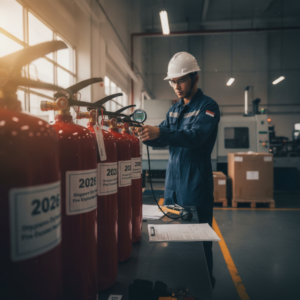
Regular checks keep a portable fire extinguisher reliable when you need it. Visual checks should be performed monthly and formal servicing annually by licensed technicians. What to look for during visual checks:
- Pressure gauge in the green zone (if equipped).
- Nozzles and hoses free from cracks and blockages.
- Tamper seals intact and inspection tags up to date.
- Clear mounting bracket and unobstructed access.
- No obvious dents, rust or corrosion.
For official guidelines on inspecting and maintaining extinguishers and how to prepare for 2025 regulations, see this comprehensive maintenance page: fire extinguisher maintenance and safety inspection.
Trends in 2025: more estates and businesses are adopting digital inspection records, QR-code traceability and IoT sensors that alert maintenance teams when gauges drop or seals are broken. These technologies improve regulatory compliance and reduce the risk of overlooked units.
Servicing, hydrostatic testing and replacement cycles
Servicing by certified technicians includes internal checks, pressure testing, replenishing agent and replacing worn parts. Typical lifecycle actions include:
- Annual service: full functional checks, recharge or agent replacement if used, and inspection for wear.
- Hydrostatic testing: periodic pressure testing of certain cylinders to confirm integrity. The interval depends on the extinguisher type and manufacturer recommendations.
- Replacement: extinguishers should be replaced when damaged beyond repair, after failed hydrostatic tests, or when they are past their serviceable lifespan.
If you need quick servicing or guidance on replacement options, consult the fast servicing and replacement resource here: fast fire extinguisher servicing.
For a focused replacement checklist for portable units, reference this practical guide: portable fire extinguisher replacement guide.
Disposal and end-of-life: SCDF fire safety considerations
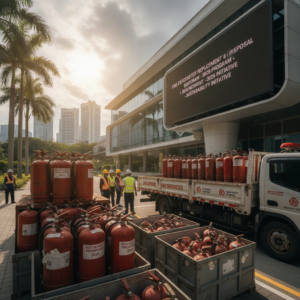
Disposal of extinguishers must be done safely and in compliance with local guidelines. Never throw a pressurised extinguisher into general waste. Steps typically include:
- Ensure the extinguisher is fully depressurised and emptied by a qualified technician.
- Mark and document the unit as decommissioned.
- Recycle or dispose of metal components according to authorised waste handling practices.
For SCDF-specific disposal processes and safety protocols, review the official disposal guidance here: scdf fire safety fire extinguisher disposal.
Practical monthly checklist for Singapore households and SMEs
- Confirm location: extinguisher is at its designated spot and easily accessible.
- Check pressure: gauge or weight is within expected range.
- Examine physical condition: dents, corrosion, hose condition and nozzle.
- Verify inspection tag: last service date and next due date.
- Test signage and training: ensure occupants know the location and basic use.
If your extinguisher is due for official service or you notice a problem, arrange professional maintenance promptly. Companies offering specialist dry powder servicing can help with deeper maintenance tasks: dry powder fire extinguisher servicing tips.
Training and drills: make knowledge routine
An extinguisher is only useful when people know how to use it. Regular workplace drills and short household familiarisation sessions can reduce panic and improve response times. Consider:
- 15–30 minute practical demos for staff covering types, PASS technique and evacuation roles.
- Fresh training after any equipment replacement or when new staff join.
- Using certified trainers or vendors who can include live demos or simulation tools.
Final checklist — action steps for 2025 compliance and safety
- Inventory: list all portable fire extinguishers on your premises and note type, location and last service date.
- Monthly checks: appoint a responsible person for visual inspections.
- Annual service: schedule certified servicing and hydrostatic tests as needed.
- Upgrade where needed: consider wet chemical for kitchens and CO₂ for server rooms.
- Keep records: adopt digital inspection logs or QR tags to simplify compliance and audits.
If your extinguisher has been used, shows faults, or is near its service deadline, arrange professional servicing or replacement without delay. For expert inspection and replacement support, refer to fast servicing options and the replacement guide linked above.
SCDF fire safety starts with preparation, correct equipment and repeated practice. A properly selected, positioned and serviced portable fire extinguisher can be the difference between a minor incident and a major loss — make it part of your routine safety plan in 2025 and beyond.


No comment yet, add your voice below!