

Why proper disposal matters in Singapore
Fire safety is not only about having the right equipment — it’s about ensuring that that equipment is serviced, safe and responsibly disposed of at end of life. For households, commercial premises and industrial sites across Singapore, following SCDF fire safety guidance helps prevent accidental releases, environmental harm and legal non‑compliance.
Expired, damaged or discharged extinguishers are a physical hazard. Many contain pressurised agents (dry powder, CO2, foam, wet chemical) that can injure handlers or contaminate property if mishandled. Environmentally, certain foam agents and residues are increasingly regulated worldwide; Singapore is aligned with global trends toward reducing persistent fluorinated chemicals in firefighting foams. Proper fire extinguisher disposal minimises these risks and supports recycling where possible.
This article explains the practical steps Singapore residents should take in 2025 to manage end‑of‑life extinguishers safely, in line with SCDF fire safety expectations and best environmental practice.
Know what you have: extinguisher types and disposal considerations
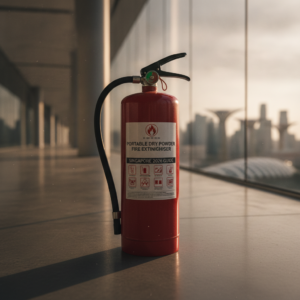
Before deciding what to do with an extinguisher, identify its type and condition. Common portable extinguisher types found in Singapore include:
- Dry powder (ABC): versatile but dusty and difficult to clean. Powder residues can be considered hazardous waste in some contexts and require specialist handling.
- CO2: contains compressed carbon dioxide in a steel cylinder. Releasing CO2 improperly is unsafe; cylinders must be depressurised by trained personnel.
- Foam (AFFF or other foams): historically contained fluorinated surfactants (PFAS), increasingly restricted. Residues must be handled to avoid environmental contamination.
- Water / wet chemical: water‑based or saponifying agents for cooking oil fires; often have fewer persistent contaminants but are still pressurised systems.
Check the extinguisher’s label for manufacture date, last service date and agent type. An extinguisher that is within serviceable parameters may be recharged; expired or physically damaged units typically require professional decommissioning and disposal.
For guidance on dry powder units and their replacement, see the dry powder extinguisher resource here: dry powder fire extinguisher.
SCDF fire safety expectations and legal context
SCDF fire safety enforcement focuses on ensuring firefighting equipment is operational and maintained by licensed contractors. For businesses and property managers, keeping valid maintenance records and ensuring portable extinguishers are serviced to the required schedules forms part of compliance.
Key points to observe:
- Use SCDF‑licensed contractors for inspections, servicing and recharging. These contractors understand the correct procedures for safe decommissioning and disposal.
- Maintain clear service records and labels showing last inspection and next due date. This is essential for audits and building inspections.
- Do not attempt to puncture, burn, or vent extinguishers yourself. Improper actions can cause injury, property damage or environmental releases.
For practical guidance on maintenance and replacement cycles, consult an authoritative replacement guide such as this portable fire extinguisher replacement guide.
Step‑by‑step: safe fire extinguisher disposal in Singapore
- Inspect and classify
- Verify the extinguisher’s agent type and service label. If it’s within its service period and structurally sound, consider recharging instead of disposal.
- Contact a certified service provider
- Use a licensed fire extinguisher contractor. They will assess whether the unit can be recharged, refurbished or must be decommissioned. Locate trusted providers and suppliers to handle both maintenance and responsible disposal; for example, see this trusted fire extinguisher supplier.
- Arrange collection or drop‑off
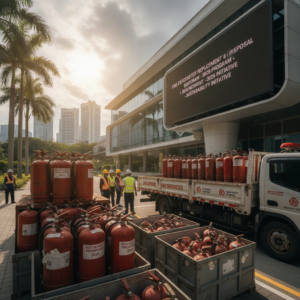
- Many suppliers offer collection for decommissioning. Keep a written record of the collection and any removal certificates.
- Professional decommissioning
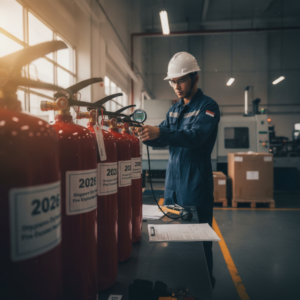
- Certified technicians will safely depressurise cylinders, isolate residues and determine the best route — refill, recycle or hazardous disposal. For CO2 units and others requiring special handling, technicians follow strict safety procedures; see maintenance specifics for gas extinguishers at this CO2 extinguisher maintenance resource.
- Recycling or controlled waste handling
- Once emptied and cleaned, many metal components can be recycled. Chemical residues or contaminated foam might require disposal via licensed hazardous waste channels. Obtain a disposal receipt when applicable.
- Replace or recharge
- If the extinguisher is serviceable, recharge and re‑label it rather than discard. If disposal is necessary, buy a suitable replacement from approved vendors — see options here: where to buy dry powder fire extinguisher.
This sequence protects people and property, reduces environmental risk and provides documentation that demonstrates compliance with SCDF fire safety expectations.
Practical tips for households, HDB blocks and businesses
-
Households: Keep an inventory of extinguishers, note expiry and service dates, and arrange servicing annually or as recommended. For single small units, many retail suppliers will accept take‑backs or advise on municipal disposal pathways.
-
HDB and condominiums: Centralised procurement and scheduled servicing reduce the risk of expired equipment. Manage records digitally and share service certificates with estate managers.
-
SMEs and commercial properties: Implement an inspection log, assign a responsible officer and ensure contractors provide Certificates of Service after each maintenance visit.
-
Transport and storage: Store spare extinguishers upright in a dry, accessible location away from heat and direct sunlight. Avoid storing damaged or corroded units for prolonged periods — arrange professional removal.
Costs, timelines and what to expect from suppliers
Disposal and decommissioning costs vary by agent type and supplier. Typical items to budget for in Singapore include:
- Service and assessment fee: nominal charge to inspect and advise.
- Recharge or refurbishment: often cheaper than full replacement for serviceable units.
- Cylinder disposal or recycling fee: depends on weight and contamination level.
- Replacement unit: a new certified portable extinguisher price depends on type and capacity.
Turnaround times are usually short for households (a few days) and slightly longer for bulk or commercial requests. Always request a written quote and a disposal certificate if hazardous residues are removed.
If you are looking for reputable suppliers who can handle both replacement and responsible disposal, review local suppliers like the trusted fire extinguisher supplier and check their service details.
Environmental trends and what’s changing in 2025
Global moves to phase down persistent fluorochemicals mean building owners and fire professionals in Singapore are increasingly choosing fluorine‑free foam alternatives. That affects disposal because legacy AFFF residues may be classed as regulated waste and require stricter handling.
Sustainability trends to watch:
- Increased availability of PFAS‑free foam agents.
- Growth in take‑back and recycling programmes that reclaim metal parts and minimise landfill.
- Digital maintenance records and QR codes on extinguishers for instant service history checks.
These trends reduce long‑term environmental risk and make compliance simpler for building managers and contractors aligned with SCDF fire safety principles.
Recordkeeping and proof: why documentation matters
Whether you’re a homeowner or a facilities manager, keep a clear paper or digital trail:
- Receipts for purchases, maintenance and disposal
- Certificates of recharge or decommissioning from licensed contractors
- Photos of units before collection and after removal (useful for audits)
Documented evidence is often required during fire safety inspections and can protect against liability if an incident occurs.
Practical scenarios — examples
-
Small kitchen extinguisher (wet chemical) expired: contact your supplier for an exchange programme; many wet chemical units are recyclable and can be replaced under warranty or trade‑in schemes.
-
Commercial dry powder units heavily contaminated after a discharge: this usually requires specialist cleaning or disposal. Suppliers will advise whether a refill is safe or whether the cylinder should be scrapped.
-
Old foam units with unknown history: treat as potentially contaminated with fluorochemicals; seek a service provider with hazardous waste handling capability.
For details on specific dry powder options and where to purchase compliant replacements, consult this resource: where to buy dry powder fire extinguisher.
Final recommendations
Adhering to SCDF fire safety guidance on fire extinguisher disposal keeps people safe, reduces environmental harm and ensures legal compliance. The most practical approach is to work with licensed, experienced suppliers who provide assessment, safe decommissioning, recycling and certified replacement options. Maintain clear records, replace or recharge where appropriate, and use specialist disposal routes for contaminated or unusable units.
Following these steps protects assets and occupants while aligning with Singapore’s evolving sustainability and safety standards in 2025.
For more detailed replacement and maintenance guidance, the portable extinguisher replacement guide is a helpful resource: portable fire extinguisher replacement guide.


No comment yet, add your voice below!