

Why SCDF fire extinguisher compliance matters in 2026
Fire extinguishers remain the first line of defense in many workplace and residential incidents. In Singapore, compliance with SCDF requirements is non-negotiable — both for legal safety obligations and to protect lives and property. This 2026 guide explains what building owners, facility managers and safety officers need to know about SCDF fire extinguisher certification, maintenance best practices, and the latest trends shaping inspections and recordkeeping.
Quick overview: SCDF expectations and the role of certification
SCDF expects portable fire extinguishers to be suitable for the hazards present, properly installed, readily accessible and serviced by competent parties. Certification and written service records demonstrate due diligence during SCDF spot checks and formal audits. While specific intervals and procedures are defined by the Fire Code and SCDF technical circulars, these core elements apply across most premises:
- Correct extinguisher type and rating for the hazard
- Visible signage and unobstructed placement
- Regular visual checks and scheduled servicing by qualified technicians
- Accurate, retained service records and tags
For the most recent service rules and clarifications, review the updated SCDF guidance on extinguisher servicing: SCDF fire safety rules for fire extinguisher servicing.
Common servicing intervals and practical checks
While exact intervals can vary by equipment and risk profile, adopt this practical framework commonly used in Singapore:
- Daily to monthly: in-house visual checks by responsible staff (pressure gauge in green, no obvious damage, safety pin intact)
- 6–12 months: routine servicing and functional checks by certified technicians
- After any use or discharge: immediate recharge or replacement
- Hydrostatic testing: typically every 5–12 years depending on extinguisher type and manufacturer recommendations
These checks ensure the extinguisher will operate when required and that you have the documentation to prove maintenance has been carried out.
How to achieve SCDF certification and stay compliant
- Create a complete extinguisher inventory
Record location, type (CO2, dry powder, water, foam), capacity and rating for every unit. A digital inventory simplifies audits and trend analysis. If units are old or obsolete, consult a replacement plan such as the fire extinguisher replacement guide.
- Use SCDF-recognised service companies
Engage licensed technicians who understand local codes and can issue compliant service reports. If you need an inspection partner, consider a qualified firm listed for Singapore fire safety inspections: fire safety inspection services.
- Maintain tags and written records
Every service should be recorded on a durable tag attached to the extinguisher and in your central maintenance log. Digital copies should be stored for easy retrieval during SCDF checks.
- Act immediately on advisories
Replace or repair any failed units promptly. For guidance on choosing the right agent and model for hazard areas, review the best dry powder fire extinguisher guide.
- Keep staff trained
Certification of equipment is only part of compliance. Ensure nominated personnel are trained to operate extinguishers safely and to perform simple visual inspections. Training reduces misuse and speeds initial response.
Documentation checklist for audits
To streamline SCDF inspections and reduce risk of non-compliance, maintain:
- Current extinguisher inventory with serial numbers and locations
- Up-to-date service tags on each extinguisher and a central digital log
- Certificates or service reports from licensed servicing companies
- Records of hydrostatic tests and major repairs
- Evidence of staff training sessions and drill schedules
For tips on day-to-day maintenance and extending service life, consult these practical portable fire extinguisher maintenance tips.
Common compliance pitfalls and how to avoid them
- Poor labeling or signage: Ensure signage meets visibility standards and extinguisher locations are unobstructed.
- Mismatched extinguisher types: Using the wrong agent for a hazard (e.g., water on electrical fires) increases risk.
- Incomplete records: Lack of service documentation is a frequent cause of SCDF non-compliance findings.
- DIY servicing: Only qualified technicians should perform maintenance beyond daily visual checks.
Proactively auditing your own inventory quarterly will catch problems before an external inspection.
Selecting the right extinguisher for your premises
Choice depends on the hazard:
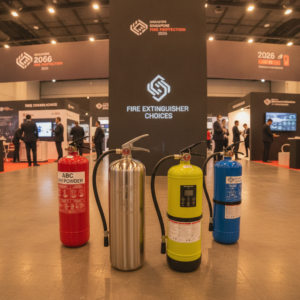
- CO2: ideal for electrical fires and server rooms
- Dry powder (ABC): versatile for general areas, but can create cleanup issues in sensitive environments
- Water/foam: best for Class A (combustible solids) hazards
For advice on dry powder options and their suitability in Singapore contexts, see the best dry powder fire extinguisher guide.
Trends shaping 2026 compliance: digital tags, IoT and analytics
Singapore’s fire-safety ecosystem is rapidly adopting digital tools that make certification and compliance simpler and more defensible:
- QR-code service tags and cloud records: Technicians scan and upload service data during inspections, eliminating paper gaps.
- IoT pressure monitors: Sensors can report pressure drops or tamper events in real time to a facilities dashboard.
- Inspection apps and photo evidence: Mobile workflows ensure every check has a timestamped record, useful for audits.
These technologies reduce human error, speed audit responses and help prioritise replacements based on condition rather than assumed schedules.
When to replace vs repair
Repair if the extinguisher can be restored to safe working condition by a certified technician and will pass hydrostatic and functional tests. Replace if:
- The cylinder fails a hydrostatic test
- Repair costs approach or exceed replacement price
- The unit is obsolete or no longer suitable for the hazard
A planned replacement strategy reduces emergency procurement and keeps your compliance profile strong. If you’re exploring replacement timelines and options, the fire extinguisher replacement guide is a practical resource.
Working with your fire safety partner: what to expect
A professional service company should provide:
- A full inventory audit and risk assessment
- Scheduled servicing and emergency call-outs
- Clear service reports with next-service dates and tags applied
- Advice on upgrades, relocations and compliance changes
Choose a partner experienced with Singapore inspections and able to demonstrate knowledge of SCDF requirements; see recommendations for inspection providers at fire safety inspection services.
Practical action plan for the next 90 days
- Complete a digital inventory and tag all extinuisher locations.
- Schedule servicing with an SCDF-competent company and obtain written service plans.
- Train at least two staff members in daily visual checks and basic extinguisher operation.
- Replace or hydrostatically test units due for end-of-life.
- Implement digital service records (QR tags or cloud storage) to streamline future audits.
Final notes on legal and safety responsibility
Certification and compliance are part of your legal duty of care as a building owner or occupier. Regular maintenance, competent servicing and strong recordkeeping reduce risk and enhance occupant safety. For practical maintenance routines and day-to-day tips that support SCDF compliance, refer to the portable fire extinguisher maintenance tips.
Adopt a proactive, documented approach: it protects people, reduces liability and keeps your premises aligned with SCDF expectations for 2026 and beyond.


No comment yet, add your voice below!