

Why fire safety matters in Singapore in 2026
Singapore’s built environment continues to get denser and more complex. For businesses, strata managers and facility teams, an effective partnership with a singapore fire safety company is no longer optional — it’s essential. A robust fire safety inspection program reduces risk to people and property, helps meet statutory obligations and lowers long-term operating costs by preventing small problems from escalating.
This article walks through what to expect from a professional fire safety inspection, how to choose the right provider, the latest trends shaping inspections in 2026, and practical checklists you can apply today.
What is a fire safety inspection?
A fire safety inspection is a structured review of a premises’ fire protection arrangements. It reviews both passive and active systems: alarm systems, emergency lighting, fire doors, signage, sprinkler performance, portable fire extinguishers, evacuation procedures and housekeeping practices.
A professional inspection should be evidence-based, documented, and include clear remediation steps and timelines. The goal is to identify hazards, assess their risk and recommend corrective actions that are feasible in your operational context.
What a Singapore fire safety company should provide
When engaging a singapore fire safety company for fire safety inspection services, expect the following deliverables:
- A comprehensive site survey covering both equipment and human factors
- Photographic and/or digital evidence of critical findings
- A prioritized remediation plan with cost estimates
- Documentation suitable for regulatory review and audit trails
- Follow-up verification or re-inspection options
Reputable firms will combine field expertise with organised reporting and the ability to carry out repairs or maintenance. For practical advice on maintaining portable appliances between inspections, read this guide on portable fire extinguisher maintenance tips.
Typical steps during a fire safety inspection
- Pre-inspection review: collect floor plans, previous reports and system diagrams.
- On-site walkthrough: verify alarm panels, sprinklers, hydrants, extinguishers, doors and escape routes.
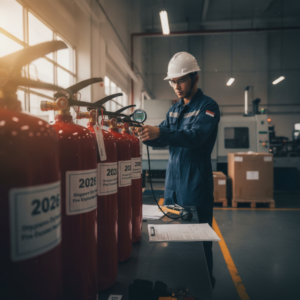
- Functional tests: conduct alarm and detector tests, check emergency lighting and test a sample of extinguishers where safe and permitted.
- Report generation: compile findings with photographs, risk ratings and recommendations.
- Remediation and verification: implement corrective actions, followed by a re-check.
A thorough process ensures you won’t just get a checklist, but practical, measurable outcomes.
Common issues found in inspections (and how to fix them)
- Obstructed escape routes: enforce clearway policies and regular inspections.
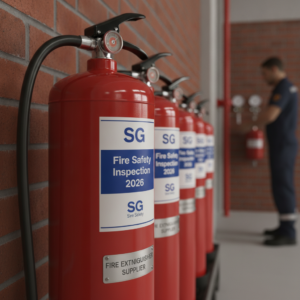
- Expired or poorly maintained extinguishers: implement scheduled servicing. See best practices for portable fire extinguisher maintenance.
- Non-compliant signage or emergency lighting: upgrade to LED emergency fittings and ensure signage reflects current escape paths.
- Faulty or untested detection systems: schedule professional testing and keep service logs up to date.
- Corroded or inoperable hydrants and valves: plan seasonal inspections and cathodic protection where needed.
Addressing these items promptly will improve safety and reduce risk of enforcement action.
Legal and regulatory context in Singapore
While specific administrative requirements may evolve, the underlying principle is constant: building owners and occupiers are responsible for maintaining fire protection systems in working order. Working with a knowledgeable singapore fire safety company helps ensure documentation and service records meet regulatory expectations.
How often should you schedule a fire safety inspection?
Frequency depends on building type and system complexity, but common intervals are:
- Weekly/monthly checks: visual inspections of exits, signage and extinguishers by in-house staff
- Quarterly: more detailed checks including selected functional tests
- Annually: full statutory inspection by a qualified singapore fire safety company
High-risk sites (industrial facilities, commercial kitchens, labs) may require more frequent professional inspections.
Choosing the right singapore fire safety company
Select a provider using a structured approach:
- Experience: preference for firms with local Singapore site experience across building types.
- Range of services: a single vendor that inspects, maintains and supplies parts is often more efficient.
- Transparency: clear pricing, scope of work and turnaround times for remedial works.
- Technology: look for providers using digital reporting tools, asset tagging, and cloud-based maintenance records.
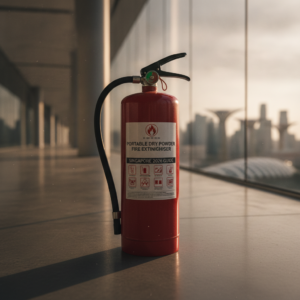
Compare at least three quotes and check references. If portable fire extinguisher supply or selection is part of your remit, this guide on the best dry powder fire extinguisher guide is a useful resource.
Digital trends in fire safety inspection (2026 outlook)
The landscape of fire safety inspection is shifting with technology:
- IoT-enabled detectors and extinguishers: real-time health monitoring can flag faults before they cause system failure.
- Predictive maintenance: analytics on historical failure rates help prioritise assets for servicing.
- Digital inspection apps: inspectors use mobile workflows with mandatory photo evidence and GPS stamps to reduce errors and speed reporting.
- Remote inspections: in low-risk settings, video-assisted inspections can supplement in-person checks, saving time and cost.
Adopting these trends improves reliability and supports compliance documentation.
Cost considerations and budgeting
Inspection costs vary by size and complexity. Budget components include:
- Basic inspection fee (site visit and report)
- Functional testing and certification charges
- Repairs, parts and labour for corrective actions
- Follow-up verification or retesting
Treat inspections as an investment: early detection of faults usually costs an order of magnitude less than equipment failure or a fire event.
Preparing your premises for inspection
To streamline inspections and reduce costs, do the following beforehand:
- Gather previous inspection reports and maintenance logs
- Ensure access to plant rooms, valve rooms and roof areas
- Clear escape routes and move stored items away from hydrants and extinguishers
- Conduct an internal pre-check of extinguishers and alarms
Measuring inspection effectiveness
KPIs to track the performance of your fire safety inspection programme:
- Number of critical findings per inspection
- Time-to-remediate critical issues
- Percentage of assets with up-to-date service records
- Reduction in repeated or recurring defects
- Audit pass rates for regulatory inspections
Use these metrics to hold vendors accountable and to demonstrate continuous improvement to stakeholders.
Working with in-house teams and third-party vendors
Synergy between your facility team and an external singapore fire safety company is vital. Define roles clearly: in-house staff perform routine checks and housekeeping; third-party specialists perform statutory inspections and complex servicing. Consider training sessions or joint tabletop exercises to keep staff ready for real incidents.
Common myths about fire safety inspections
- “Inspections are just a box-ticking exercise” — a competent provider will deliver actionable remediation and risk reduction, not just a checklist.
- “Only old buildings need inspections” — new systems can be incorrectly installed or poorly maintained; inspections are relevant to all ages.
- “Digital systems remove the need for physical inspections” — IoT improves monitoring but physical checks remain necessary for doors, signage, and structural elements.
Final checklist before you book an inspection
- Confirm the scope: full system versus targeted components
- Ask for sample reports to evaluate clarity and compliance
- Verify qualifications and local Singapore references
- Agree on timelines for remediation and verification
- Ensure digital delivery of reports for your records
When selecting vendors or equipment, practical procurement guides such as the one on portable fire extinguisher maintenance tips and the supplier links above will help streamline decisions.
Conclusion
A well-run fire safety inspection program is a cornerstone of risk management for any Singapore building. In 2026, the most effective singapore fire safety company will combine regulatory know-how, practical maintenance capability and technology-enabled reporting. By understanding what inspections cover, preparing your premises and choosing a provider with transparent processes, you protect occupants, lower long-term costs and keep operations resilient.
Act decisively: schedule your next fire safety inspection, update your asset records and ensure that your team and vendors are aligned on timelines and responsibilities. Proactive management today prevents incidents and supports compliance tomorrow.


No comment yet, add your voice below!