

Why buying the right fire extinguisher matters in Singapore
Fire safety is not just compliance, it is protection of lives and assets. Choosing the correct type, capacity and a certified supplier reduces the risk of ineffective response, damage and unnecessary downtime.
Types of fire extinguisher and where they are used
Understanding classes and agent types helps you pick the right unit:
- ABC (dry chemical) – Versatile, suitable for most common risks including wood, paper, flammable liquids and electrical fires. Often available in 1kg, 2kg, 4.5kg and 6kg sizes.
- CO2 – Effective on flammable liquid and electrical fires; leaves no residue, making it good for server rooms and labs.
- Foam – Best for liquid fires, such as petrol and oil. Not suitable for electrical hazards unless specified.
- Water – For Class A fires only; not for electrical or oil fires.
- Wet chemical (Class K) – Designed for cooking oil and fat fires, essential for commercial kitchens.
When in doubt, seek advice from an authorised supplier about the right class and capacity for your premises.
Where to buy fire extinguisher in Singapore: authorised channels
Buy only from trusted or authorised suppliers. Key places to consider:
-
National-level fire protection firms that can bundle supply, mounting, signage and maintenance. These suppliers typically offer certification documentation after installation.
-
Specialist safety shops and industrial distributors that stock commercial-grade extinguishers. They will advise on mounting height, signage and inspection frequency.
-
Large hardware chains and online marketplaces for domestic units.
-
Direct from manufacturers or their Singapore agents for bulk or customised orders and for specialised agents like wet chemical or CO2 systems.
How to verify compliance and supplier credibility
Before you buy, check these safeguards:
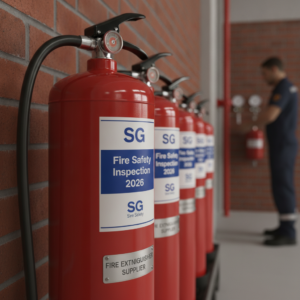
- Evidence of after-sales servicing and a clear inspection schedule. See a practical inspection checklist here: fire safety inspection checklist.
- Look for a local presence: supplier addresses, contact numbers and after-sales support in Singapore.
- Reviews and case studies from similar businesses or residential blocks.
- Whether the supplier offers fast replacement and recharge services when a unit has been discharged. Quick servicing can be essential to keep a premise protected: fast fire extinguisher servicing and replacement.
Typical price ranges and what affects cost
Prices vary by type, capacity and certification. Typical price influencers:
- Agent type: ABC dry chemical units are generally more affordable than CO2 or wet chemical units.
- Size: larger kilogram ratings cost more but cover a larger discharge time and area.
- Certification and included servicing: packages that include annual servicing or installation may cost more upfront but save time and ensure compliance.
- Additional items: mounting brackets, signage, tamper seals, and inspection tags.
For businesses, budgeting for both the initial purchase and ongoing maintenance is essential. Discuss service packages with suppliers to understand long-term costs.
Buying online vs buying from a supplier with service support
Buying online can be convenient and often cheaper for basic home use, but there are caveats:
If you buy online, follow up with a licensed service provider to register and service the unit.
Installation, signage and placement tips
Correct placement ensures easy access and visibility:
- Provide clear signage and keep the area unobstructed.
- For kitchens, locate wet chemical units near cooking areas but at a safe distance from direct heat.
- Ensure staff and occupants know the location and basic operation of the extinguisher; consider short training sessions.
If you manage multiple assets, consider digital tagging and inspection logs. Many suppliers now offer QR-coded inspection tags and digital records that simplify compliance and tracking.
Servicing, inspection and lifecycle management
Portable extinguishers require routine care:
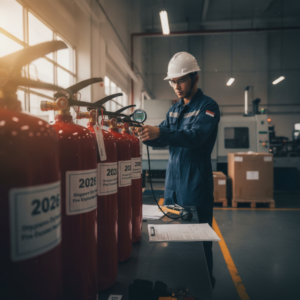
- Visual checks monthly for pressure gauge condition, no obvious damage, and secure mounting.
- Recharge after any discharge and periodic pressure testing or hydrostatic testing as recommended for the agent type.
- Replace units that are beyond their service life or have failed tests.
For structured maintenance of your premises, coordinate fire extinguisher servicing with other safety checks. Many companies combine extinguisher maintenance with broader fire protection work such as alarm testing and system inspections. For integrated approaches, see fire alarm and safety inspection services: fire alarm maintenance and safety inspection.
Making your purchase decision: a simple checklist
- Identify the fire risks in your premises and the extinguisher classes required.
- Ask about servicing, turnaround times for recharges and replacement units.
- Choose a supplier that provides digital or physical inspection records and a clear maintenance schedule.
If you manage a building with several fire protection needs, also review broader protection system services and inspection requirements to ensure holistic compliance: 2025 fire safety inspection and protection systems.
Common buying mistakes to avoid
- Purchasing on price alone without confirming supplier credentials or service availability.
- Installing a unit that is not suitable for the specific fire class present.
- Neglecting routine servicing and record keeping, which can invalidate warranties and risk non-compliance.
Final practical tips for Singapore buyers in 2025
- Prioritise suppliers that combine supply with local servicing and quick replacement options.
- Consider digital inspection tagging and cloud-based maintenance records to simplify audits and inspections.
- For commercial or high-risk premises, choose higher-capacity units and ensure staff training on operation.
For fast service options and replacement policies after discharge or damage, look into specialist servicing providers who can guarantee prompt turnaround and compliant documentation: fast fire extinguisher servicing and replacement.
Summary
Start with a risk assessment, choose the appropriate class and size, and work with a licensed supplier who provides ongoing maintenance and clear documentation.


No comment yet, add your voice below!