

Singapore workplaces and public spaces continue to prioritise robust fire safety as buildings become denser and systems more integrated. This guide explains why a dry powder fire extinguisher remains a core component of many Singapore fire protection systems in 2025, how to choose and maintain one, and how to align purchases and service with local best practice and trends.
Why dry powder extinguishers remain relevant in 2025
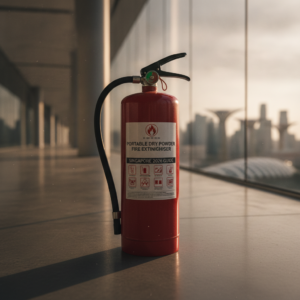
Dry powder fire extinguishers (often supplied as ABC or BC powders) are multi-purpose, versatile and relatively low-cost. They remain popular across industrial sites, workshops, laboratories and vehicles where a range of fuel types — solids, flammable liquids and gaseous fires — may occur. For an island-state with varied industrial and commercial activity, a dry powder extinguisher is a frequently chosen tool in a layered Singapore fire protection system.
Key practical advantages:
- Broad class coverage: effective on many Class A, B and C fires (solids, flammable liquids and gases) and effective on electrical equipment fires when used appropriately.
- Fast knockdown: powder interrupts the chemical reaction quickly, useful for rapidly spreading or volatile fuel fires.
- Durability and storage: powders are stable in tropical conditions and have long shelf lives when stored correctly.
These practical strengths explain why building managers and safety officers often pair dry powder units with other extinguishing types to achieve full coverage across a premises.
How dry powder extinguishers work and when to use them
Dry powder extinguishers operate by coating the fuel and separating it from oxygen, plus interrupting the chemical chain reaction that sustains combustion. There are different powder formulations:
- ABC powder: ammonium phosphate-based, multipurpose for common workplace risks.
- BC powder: sodium bicarbonate or potassium bicarbonate, optimised for flammable liquid and electrical fires.
When to specify a dry powder unit in your Singapore fire protection system:
- Workshops, engine rooms and mechanical areas where fuels, gases or electrical risks are present.
- Outdoor or semi-enclosed areas where powder dispersion and residue are manageable.
- Mobile applications such as vehicles and boats where compact, multipurpose extinguishers are advantageous.
Note: For kitchen fires involving hot cooking oils and fats, wet chemical extinguishers are the correct choice. Dry powder is not recommended for deep-seated Class A fires or where electronic equipment is the primary asset to be protected.
Limitations and safety considerations
Understanding limitations ensures dry powder units are used safely and effectively:
- Residue: powder leaves a fine, corrosive residue that can damage electronics and machinery; plan clean-up and post-discharge protocols.
- Visibility and inhalation: discharged powder can reduce visibility and irritate airways in confined spaces; ensure evacuation and ventilate after use.
- Not ideal for sealed indoor areas: in enclosed spaces, powder dispersion can be problematic for occupants and delicate equipment.
Always combine extinguisher strategy with clear evacuation routes, smoke control and suppression systems in a comprehensive Singapore fire protection system.
Placement, sizing and PASS technique
Correct placement and extinguisher sizing are crucial for ready access and effectiveness:
- Position extinguishers near exits and at identified hazards so a user can fight a small fire while keeping the exit at their back.
- Common portable sizes include 1 kg, 2 kg and 4.5 kg dry powder units; select size based on expected risk and local regulations.
- Display clear signage and unobstructed access at all times.
When using a dry powder extinguisher, follow the standard PASS steps:
- Pull the pin to break the tamper seal.
- Aim low at the base of the fire.
- Squeeze the handle to discharge.
- Sweep side to side to cover the burning area until extinguished.
Training is essential; periodic hands-on drills build confidence and reduce misuse.
Integration into a Singapore fire protection system
A dry powder extinguisher is most effective when integrated into an overall fire protection strategy. That means coordination with detectors, sprinklers where appropriate, signage, escape planning and regular inspections.
For trusted procurement and system advice, work with an experienced supplier who understands local codes and building types. Many building managers rely on an accredited partner as a single point of contact for supply, installation and compliance—search for a trusted fire extinguisher supplier with knowledge of Singapore standards.
Maintenance, inspections and compliance
Maintenance is a legal and safety imperative. Regular checks reduce the risk that an extinguisher will fail when needed. Best practice in Singapore generally includes:
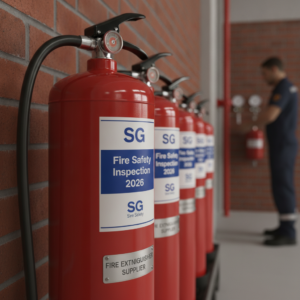
- Monthly visual inspections by on-site staff: check pressure gauge, tamper seals, mounting and obvious damage.
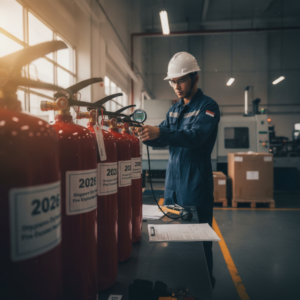
- Annual professional servicing and internal checks by a licensed company to verify condition, recharge after use, and replace parts as necessary.
- Periodic pressure or hydrostatic testing according to manufacturer guidance and local codes.
Many organisations adopt digital logs and QR-coded tags to streamline inspection records and demonstrate compliance. For detailed procedures and services, consult professional maintenance providers for extinguisher maintenance and comprehensive service plans to keep your Singapore fire protection system audit-ready: extinguisher maintenance.
If you’re evaluating whether to service or replace aging units, an evidence-based inspection helps decide—compare expected remaining life, corrosion, pressure trends and overall reliability before committing to replacement. See expert guidance on when to maintain or replace fire extinguishers.
Buying guidance: certified units and supply channels
When buying a dry powder fire extinguisher in Singapore, check the following:
- Manufacturer warranties and parts availability.
- Service packages and local after-sales support.
- Correct labelling, operating instructions and expiry/hydrostatic test dates.
For convenience, many customers look to reputable local sellers and suppliers that can advise on sizing, placement and integrated system planning. If you’re wondering where to source compliant units, reputable listings can help locate stock and service options—find trustworthy outlets for where to buy dry powder fire extinguisher in Singapore through specialist channels: where to buy dry powder fire extinguisher.
Inspection readiness and documentation
Singapore’s fire safety framework emphasises documentation and readiness. Keep an organised log of:
- Monthly visual inspection checklists.
- Annual service reports with technician signatures.
- Hydrostatic or pressure test certificates.
- Incident reports and post-discharge clean-up records.
Many businesses now adopt cloud-based compliance platforms to store and share records with facilities teams and authorities.
Emerging trends in 2025: smart monitoring and greener options
Recent trends shaping Singapore fire protection systems include:
- IoT-enabled monitoring: sensors and smart tags report pressure, tamper events and location to central dashboards so facilities teams can act proactively.
- QR-code inspection logs: inspectors scan tags to update digital service history instantly.
- Predictive maintenance: data analytics predict service needs before failure, reducing downtime and ensuring compliance.
- Environmental innovation: manufacturers are refining powder chemistries and packaging to reduce corrosiveness and environmental impact, while maintaining effectiveness.
Combining traditional extinguisher placement with these technologies gives building managers a stronger, more auditable safety posture.
Practical checklist for facilities managers (Singapore)
- Conduct a risk assessment to confirm where dry powder units are appropriate and where alternatives (wet chemical, CO2, foam) are required.
- Place extinguishers near likely hazards and keep access routes clear.
- Implement monthly visual checks and schedule annual professional servicing.
- Keep digital records and consider IoT tagging for high-value assets.
- Train staff regularly on PASS technique and evacuation protocols.
- Source units and service from a supplier experienced with local regulations, warranties and compliance services.
When deciding on procurement or upgrades, engage a recognised supplier who can advise on compatibility with your wider Singapore fire protection system and provide after-sales maintenance and compliance support.
Conclusion
A dry powder fire extinguisher remains an essential and versatile tool within Singapore fire protection systems in 2025, particularly for industrial, mobile and mixed-risk environments. Its strengths—broad class coverage and fast extinguishing action—make it a valuable element in a layered strategy, but awareness of limitations (residue, indoor suitability and clean-up) is important. Pair careful selection with regular maintenance, documented inspections and integration into smart maintenance workflows to maximise reliability and regulatory compliance. For procurement, maintenance or inspection support, rely on accredited suppliers and professional services to ensure your extinguishers perform when they are needed most.
For further supplier options, maintenance plans and inspection services, reach out to registered local providers who specialise in fire extinguisher supply and Singapore fire protection system integration.


No comment yet, add your voice below!