

Introduction
Keeping portable fire extinguishers ready and reliable is a core part of fire safety at homes, offices and commercial premises in Singapore. This 2025 guide explains when to perform fire extinguisher replacement, how to choose the right unit, what signs indicate replacement is necessary, and how to stay compliant with local expectations. Whether you manage an HDB flat, condominium block, shop or small business, the authority to act early can prevent small incidents from becoming serious losses.
Why timely fire extinguisher replacement matters in Singapore
A portable fire extinguisher is only effective if it operates as intended the moment it’s needed. Over time, extinguishers can lose pressure, suffer corrosion, or become contaminated. Using an impaired unit puts occupants at risk and can invalidate insurance claims. Singapore’s dense urban environment and strict safety expectations mean that proactive replacement and proper maintenance are not only sensible — they are best practice for reducing liability and protecting people and property.
Key signs your portable fire extinguisher needs replacing
Watch for these clear indicators that replacement may be necessary:
- Visible damage: dents, deep corrosion, or cracked hoses and levers.
- Gauge failure: a broken, unreadable, or persistently under-pressure indicator.
- Discharge or partial discharge: if the extinguisher has been used (even partially) it often must be refilled or replaced depending on type and inspection outcome.
- Expired service life: manufacturer expiry, or ageing beyond recommended lifecycle.
- Failed pressure or leak tests: ongoing pressure loss or failed inspections by a qualified technician.
If you see any of the above, record it immediately and arrange for inspection by an accredited service provider.
Legal and compliance considerations in Singapore
Singapore regulations emphasise that fire safety equipment must be maintained to ensure operational readiness. While specific statutory intervals can vary by building type and extinguisher model, good compliance practice includes keeping up-to-date inspection records, annual servicing by accredited technicians, and immediate action for damaged or unserviceable units.
For guidance on maintenance and local servicing options, see resources about professional co-extinguisher maintenance.
How to choose the right replacement portable fire extinguisher
Selecting an appropriate replacement depends on the hazards you face and the location where the extinguisher will be used:
- Class A (ordinary combustibles): for wood, paper and textiles.
- Class B (flammable liquids): for petrol, oils, paints — many businesses require these.
- Class C (flammable gases and energized electrical equipment): check compatibility with electrical risks.
- Multi-class units: ABC dry powder extinguishers are common for mixed-risk areas.
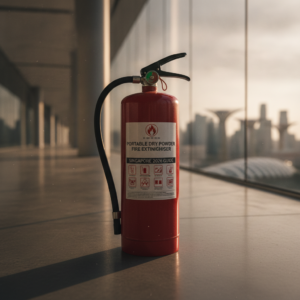
Dry powder units remain a popular, versatile choice for many Singapore applications. If you’re considering this option, read specifics about the dry powder fire extinguisher to understand suitability and limitations.
When replacing, match capacity to risk (larger spaces or higher-risk areas often need larger kg ratings), ensure mounting height and signage meet local guidance, and choose a model backed by a warranty and local support.
Where to buy and replace portable fire extinguishers in Singapore
Purchase and replacement should be handled by reputable suppliers who provide certification, installation and after-sales maintenance. Look for suppliers who supply test certificates, issue service tags, and offer digital records to simplify audits.
For trusted sources and authorised products, check local listings or consult a trusted fire extinguisher supplier. If you want to compare options specifically for dry powder units and authorised resellers around Singapore, a useful starting point is this guide on where to buy dry powder fire extinguishers.
Maintenance vs replacement: making the cost-effective call
Not every issue requires full replacement. Routine servicing, refilling and minor parts replacement (seaI, hose, pressure gauge) can extend service life and are often more economical. However, replacement becomes the right decision when:
- A unit fails pressure or integrity tests.
- Corrosion compromises the cylinder structure.
- The extinguisher has been discharged and the manufacturer or service provider advises replacement.
- The unit is beyond the manufacturer’s recommended service life.
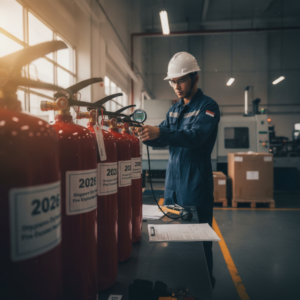
Deciding whether to repair or replace should follow an assessment by a licensed technician. For local guidance on when to maintain or replace fire extinguishers, see this practical resource: maintain or replace fire extinguishers in Singapore. Also review co-maintenance practices to ensure you follow correct servicing intervals and record-keeping: co-extinguisher maintenance guidelines.
Cost, warranties and product selection tips
Replacement cost depends on type and capacity. Basic portable models suitable for domestic or light commercial use are economical, while specialist agents and larger capacities cost more. When evaluating suppliers and models, consider:
- Certification and compliance with local standards.
- Clear warranty terms and accessible service centres in Singapore.
- Availability of replacement parts and refill services.
- Digital inspection tags or QR-code enabled records — these reduce paperwork and support regulatory audits.
Safe disposal and environmental considerations
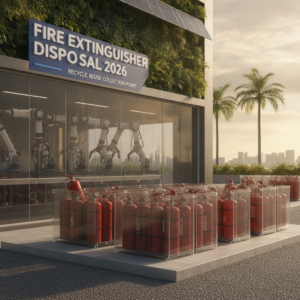
Disposing of old extinguishers must be done safely. Never puncture or incinerate an extinguisher. Work with licensed waste handlers or your service provider to arrange decommissioning, depressurisation and recycling where possible. Many suppliers will accept old units at point-of-sale or during replacement service visits and will provide disposal certificates.
Practical replacement checklist (for building managers and owners)
- Inventory: keep an up-to-date log of all portable fire extinguishers by location, type, capacity and installation date.
- Monthly visual check: ensure gauges show correct pressure, safety pins/seals intact, and no visible damage.
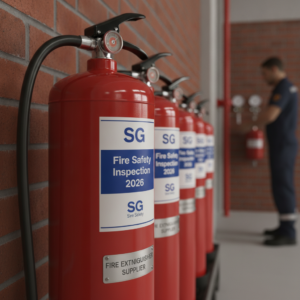
- Annual professional service: arrange certified servicing and obtain service tags and reports.
- Recordkeeping: store inspection certificates digitally; many providers offer QR-tagged logs for instant verification.
- Immediate action: if an extinguisher shows any defect or has been discharged, tag it out of service and arrange replacement or certified repair.
- Training: ensure occupants or staff know the location, basic operation and limitations of the portable fire extinguisher provided.
Trends in 2025: smarter inspections and greener agents
Recent trends in Singapore’s fire safety market include wider adoption of QR inspection tags and cloud-based maintenance records, which simplify compliance reporting and allow real-time status tracking. There is also growing interest in lower-environmental-impact suppression agents for internal use, though suitability must be checked against the specific fire risks present.
Final practical advice
Treat fire extinguisher replacement as part of an ongoing safety programme rather than a one-off purchase. Regular inspections, working with accredited local suppliers and keeping accurate records will ensure portable fire extinguishers remain reliable, compliant and ready to protect people and property. For local procurement and authorised servicing in Singapore, consult reputable suppliers and the linked resources above to plan replacement and maintenance with confidence.


No comment yet, add your voice below!