

Why fire safety inspection matters in Singapore 2025
Singapore’s dense urban landscape and mixed-use developments make proactive fire safety essential. A robust fire safety inspection program reduces risk to life and property, ensures compliance with SCDF guidance, and keeps insurance and business continuity intact. In 2025, organisations are expected not only to meet statutory requirements but to adopt smarter inspection, recordkeeping and maintenance practices—especially around portable devices such as the SCDF fire extinguisher.
What is included in a typical fire safety inspection
A fire safety inspection assesses fixed systems (sprinklers, alarm panels), means of escape (exits, signage), and portable firefighting equipment (extinguishers, hose reels). Inspectors look for:
- Correct placement and quantity of extinguishers for hazard types
- Clear access and unobstructed signage
- Valid service tags and maintenance records
- Physical condition: corrosion, dents, damaged hoses or nozzles
- Pressure gauge readings and tamper seals
- Expiry dates, hydrostatic test intervals and recharge history
For portable extinguisher specifics, follow a practical checklist such as the SCDF portable fire extinguisher checklist 2025, which aligns inspection points with SCDF expectations.
SCDF fire extinguisher basics every owner should know
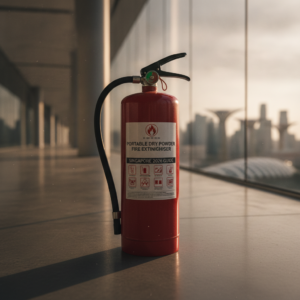
The term “SCDF fire extinguisher” commonly refers to portable extinguishers used in Singapore that meet SCDF-approved standards and are maintained under SCDF guidance. Key points:
- Types: Water, foam, CO2, dry powder (ABC), and wet chemical—each suited to specific fire classes
- Labelling: Extinguishers must be clearly labelled with class, capacity and operating instructions
- Accessibility: Mounted at specified heights and not blocked by goods or furniture
- Servicing: Regular servicing by licensed technicians keeps the unit reliable in an emergency
For practical user-level guidance, review the SCDF fire safety tips for portable fire extinguishers.
Monthly, annual and periodic checks — what to schedule
- Monthly visual checks: Carried out by the premises’ responsible person. Confirm pressure gauge in the green, no visible damage, intact tamper seal and that the unit is in its designated location.
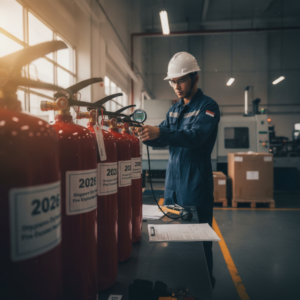
- Annual maintenance: Performed by a qualified contractor. Includes functional checks, cleaning, seal replacement and topping up or recharge if needed.
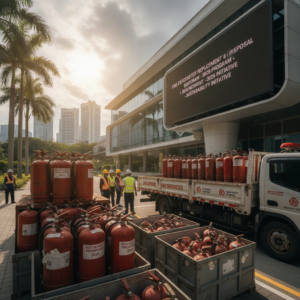
- Hydrostatic testing & major servicing: Depending on type and manufacturer guidance, cylinders require periodic pressure testing (e.g., every 5–12 years). Keep records to demonstrate compliance.
Always confirm intervals with an authorised service provider and SCDF guidance. For professional servicing and replacement options, see fire extinguisher servicing & replacement.
How to prepare for an SCDF-focused fire safety inspection
- Centralise records: Maintain an up-to-date log of monthly checks, annual servicing and any repairs. Digital logs with QR-tagged certificates speed up inspections and auditing.
- Walk the premises weekly: Ensure extinguishers are unobstructed, signage visible and fire doors operate correctly.
- Train staff: Basic extinguisher use (PASS technique: Pull, Aim, Squeeze, Sweep) and clear evacuation roles reduce panic and response time.
- Fix defects promptly: Replace missing pins, reseal tampered units, and schedule servicing for units outside gauge ranges.
- Engage licensed contractors: Ensure service providers follow manufacturer and SCDF guidance; request service tags and invoices.
For system-level maintenance including alarms and sprinklers, coordinate inspections with your contractor. More on that is available in the article about fire protection system and alarm maintenance.
Common non-compliance issues found during inspections
- Extinguishers blocked by storage or placed too high/low to be reached easily
- Missing or expired service tags and incomplete maintenance records
- Discharged or under-pressurised extinguishers left unrepaired
- Incorrect extinguisher types for specific hazards (e.g., using water on grease fires)
- Poorly trained staff and lack of evacuation or fire drill documentation
Addressing these items proactively avoids enforcement action and reduces operational risk.
Choosing the right extinguisher for your premises
Selecting the correct extinguisher depends on fire risk assessment:
- Offices, retail: ABC dry powder or CO2 for electronic fires
- Kitchens, F&B outlets: Wet chemical extinguishers for cooking oil fires
- Warehouses with flammable liquids: Foam or specialist agents
A qualified assessor can map hazards to extinguisher types and quantities. Consider also environmentally friendly agents and low-global-warming-potential (GWP) options becoming more prevalent in 2025.
Digital trends and innovations shaping inspections in 2025
- QR-enabled tags: Scan to pull up service history and next due dates instantly during inspections
- Mobile inspection apps: Standardised checklists, photographic evidence, and automated reminders streamline compliance
- IoT sensors: Pressure and tamper sensors can trigger alerts for low-pressure or unauthorized movement
- e-Learning and micro-certification: Quick, role-specific training modules for staff on extinguisher use and fire drills
These tools reduce human error and make audits faster and more defensible.
Recordkeeping: what inspectors will look for
Inspectors expect clear, chronological records showing:
- Monthly visual inspection logs with signer and date
- Annual service reports and certificates from licensed contractors
- Hydrostatic test certificates where applicable
- Evidence of staff training and fire drills
Use digital backups and cloud storage to ensure records survive incidents such as floods or fires.
What to do if an extinguisher fails inspection
- Isolate the defective unit and replace or repair immediately. Do not return it to service until cleared by a licensed technician.
- Update records showing removal and action taken.
- If a defect indicates systemic issues (e.g., poor storage leading to corrosion), review storage, mounting and environmental controls across the property.
- Communicate temporary mitigation—such as extra trained staff or portable suppression—until compliance is restored.
If you need professional servicing, see recommended options at fire extinguisher servicing for Singapore fire protection.
Responsibilities and legal context in Singapore
Property owners, facility managers and occupiers each carry responsibilities to ensure firefighting equipment is functional and accessible. SCDF guidance sets expectations for maintenance regimes and recordkeeping; non-compliance can result in enforcement actions and increased liability. Engaging accredited contractors and maintaining clear documentation is the best defence.
Practical checklist you can use today
- Are extinguishers in approved locations and visible from the main pathways?
- Is the pressure gauge in the green and the tamper seal intact?
- Are service tags present and the next service date valid?
- Are units free of physical damage, corrosion or blocked nozzles?
- Have staff received recent extinguisher and evacuation training?
- Are digital records up to date and accessible for inspection?
A downloadable checklist tailored to SCDF expectations helps standardise inspections across multi-site portfolios. For a comprehensive template, consult the SCDF portable fire extinguisher checklist 2025.
Closing practical tips for 2025-ready compliance
- Move from paper to digital logs: QR tags and mobile inspection apps save time and create audit trails.
- Plan budgets for replacement cycles: Extinguishers reach end-of-life and hydrostatic costs must be forecast.
- Train repeatedly: Short, frequent refreshers beat annual-only training for retention.
- Use accredited suppliers: Ensure your contractor provides certified service labels and warranties.
Staying on top of fire safety inspection routines and SCDF fire extinguisher maintenance protects people, property and reputation. Proactive maintenance and clear records make inspections smoother and reduce enforcement risk—critical priorities for every Singapore organisation in 2025.



No comment yet, add your voice below!